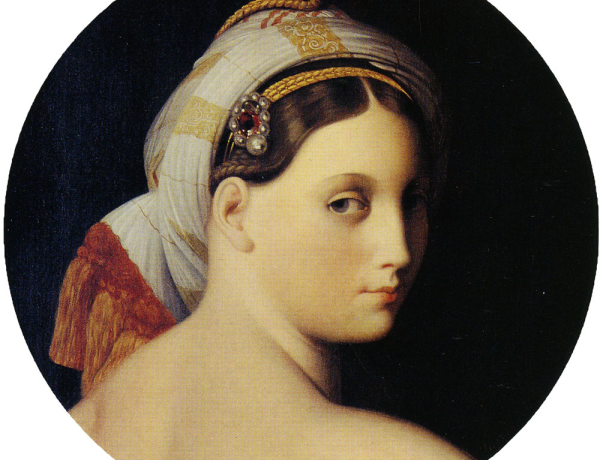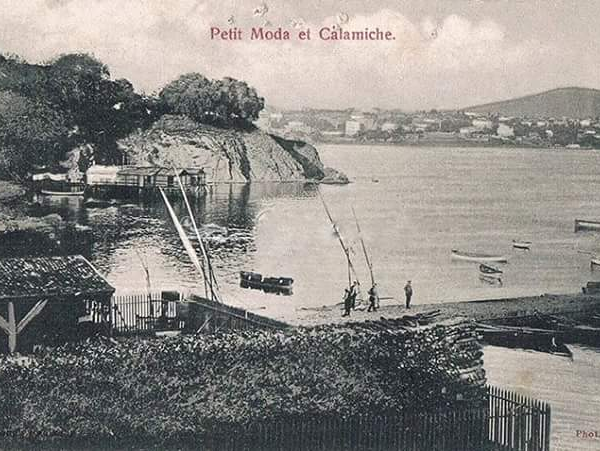

“Light flickered across the empty corridors of the Yildiz Palace as soldiers of the Macedonian Action Army pried open safes, cabinets and velvet-lined jewellery boxes. Diamond tiaras, emerald necklaces and strings of pearls were placed into wooden crates alongside priceless earrings, bracelets, brooches, rings, jewel-encrusted boxes and gold clocks. When no one was watching, pieces quietly vanished, slipped into the pockets of officers, pushed down the boots of sergeants, and tucked beneath the tunics of privates. And in this way, the Star Palace that once shimmered with imperial courtly splendor stood stripped, its silence heavier than the plundered treasure itself.”
Ayşe Osmanoğlu
Whenever I visit a museum in Istanbul, I find myself asking the same question: what happened to the magnificent jewels of the Ottoman court?
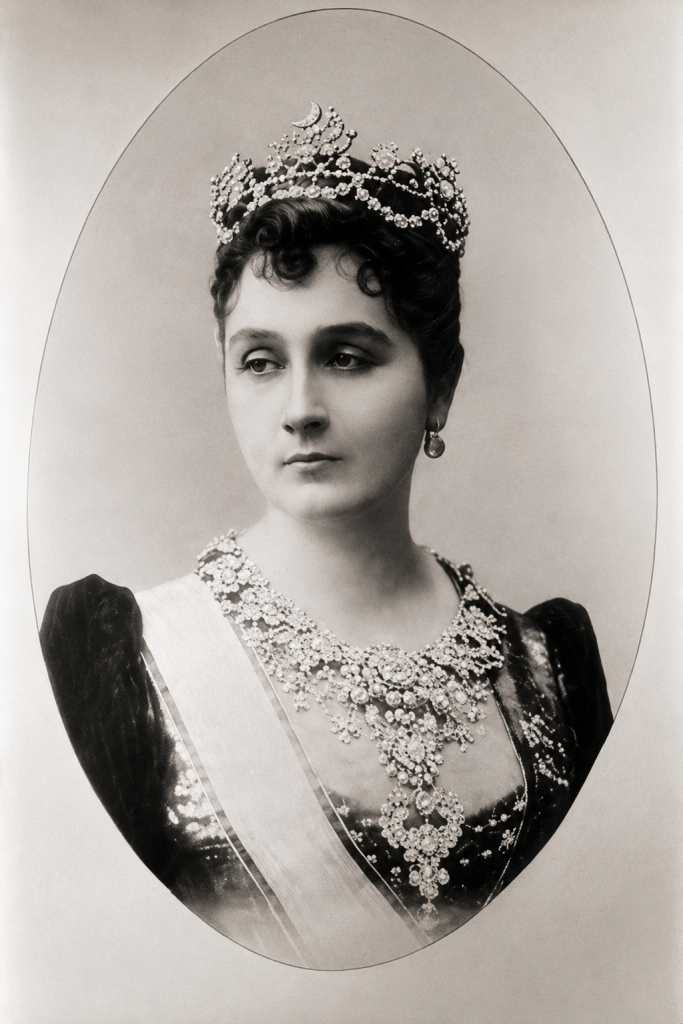
Emine Valide Paşa (1858-1931) with her stunning jewelry
Portraits from the nineteenth century reveal a world glittering with diamonds, pearls, emeralds, and sapphires. Ottoman princesses, kadınefendis, and valide sultans wore elaborate tiaras, aigrettes, necklaces, bracelets, and jewelled corsages that rivalled those of Europe’s royal houses. Yet unlike the crown jewels of Britain, or France, these treasures are conspicuously absent from public collections.
Why do we so rarely see them today?
Part of the answer lies in the dramatic fate of Sultan Abdülhamid II.

Abdülhamid II
When Abdülhamid II was deposed in April 1909 following the 31 March Incident, he was removed from the throne and sent into exile in Thessaloniki. His fall marked not only the end of an era but also the beginning of the dispersal of some of the Ottoman dynasty’s most precious possessions.

A glimpse at Yıldız Palace, which was the last home of dethroned Abdülhamid II
The distinction between the imperial treasury and the sultan’s private property had never been entirely straightforward. Over the centuries, objects moved between official and personal collections, while members of the imperial family accumulated their own jewels and valuables. After Abdülhamid’s deposition, determining ownership became both a legal and political question.
Among the lots were reportedly large unset diamonds of exceptional quality, elaborate brooches, and precious stones that had once formed part of more complex pieces of jewellery. The descriptions offer tantalising glimpses into a world of imperial splendour that has largely vanished from public view.
What is clear, however, is that a number of portable treasures associated with the former sultan eventually found their way onto the European art market.
Pieces once worn by imperial princesses and consorts were cataloged, packed, and shipped away—not to the Imperial Treasury at Topkapı, not to Sultan Resad at Dolmabahce, but to an auction house in Paris.’
Ayşe Osmanoğlu
One of the most significant episodes occurred in Paris in the early twentieth century, where an auction of jewels attributed to Abdülhamid II attracted considerable attention. Contemporary catalogues described extraordinary diamonds, strands of pearls, jewelled ornaments, and luxury objects said to have come from the sultan’s collection.

Auction houses have long understood the allure of royal provenance, and claims of imperial ownership were undoubtedly attractive to collectors. Nevertheless, the repeated appearance of Ottoman jewels in European sales during the years following Abdülhamid’s deposition points to a broader historical reality: the gradual dispersal of a dynasty’s material culture.
For historians and collectors today, early auction catalogues have become invaluable documents. In many cases, they are the only surviving records of jewels that no longer exist in their original form.
Unlike paintings or manuscripts, jewellery is uniquely vulnerable to disappearance. Gemstones can be removed from their settings, necklaces dismantled, and diamonds recut to suit changing tastes. A tiara worn by an Ottoman princess in Istanbul might survive today only as a handful of loose stones in a private collection somewhere in Europe.
This, perhaps, explains why Ottoman jewellery feels so elusive.
The absence of these treasures from museum displays is not simply the result of neglect. It is the consequence of political upheaval, exile, changing ownership, and the international art market.
When we admire photographs of the women of the late Ottoman court, we are often looking at objects that have travelled far beyond the empire that created them.
Their disappearance tells a story not only of luxury but of loss.
The jewels of Abdülhamid II did not vanish; they scattered across Europe, carrying with them fragments of a world that had come to an end.

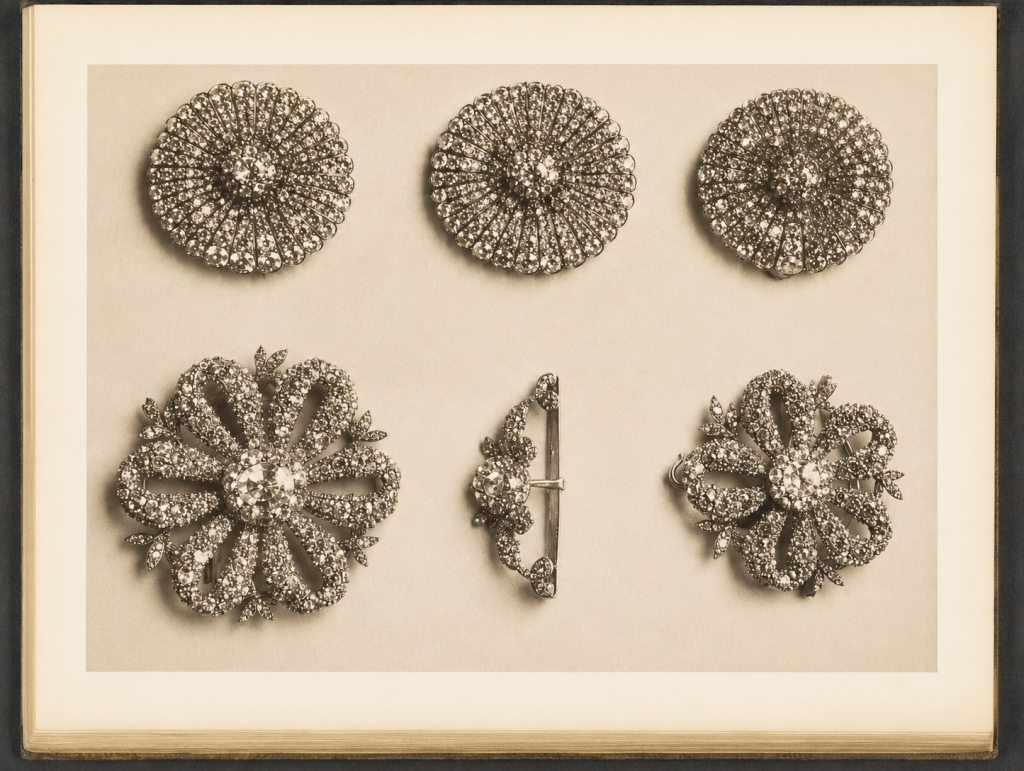
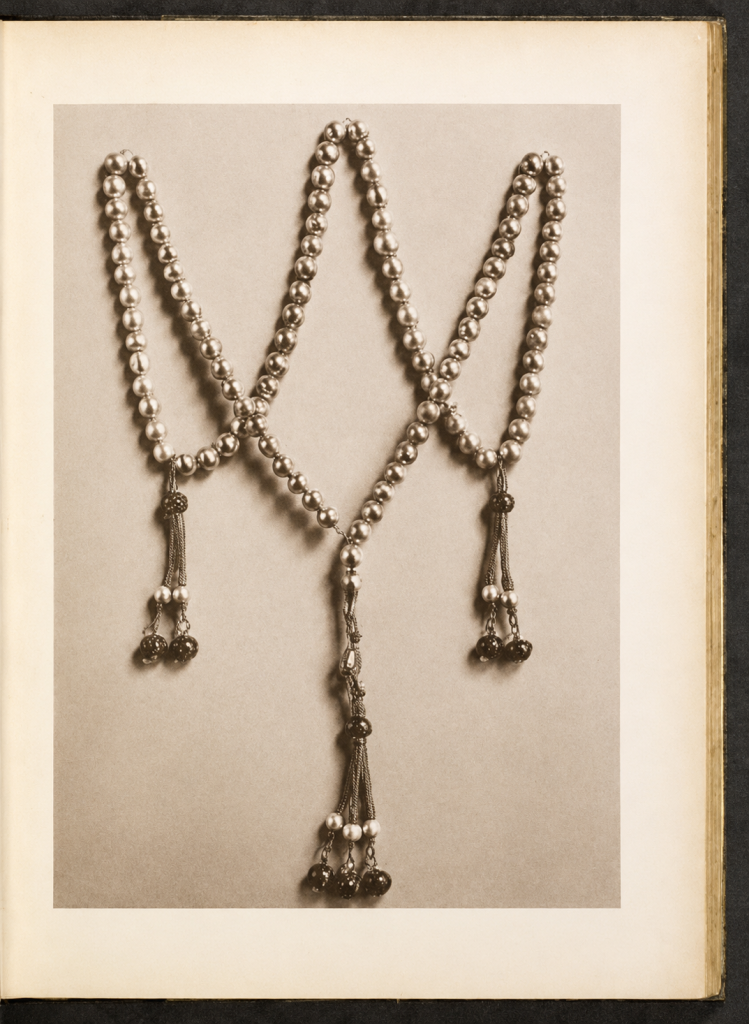
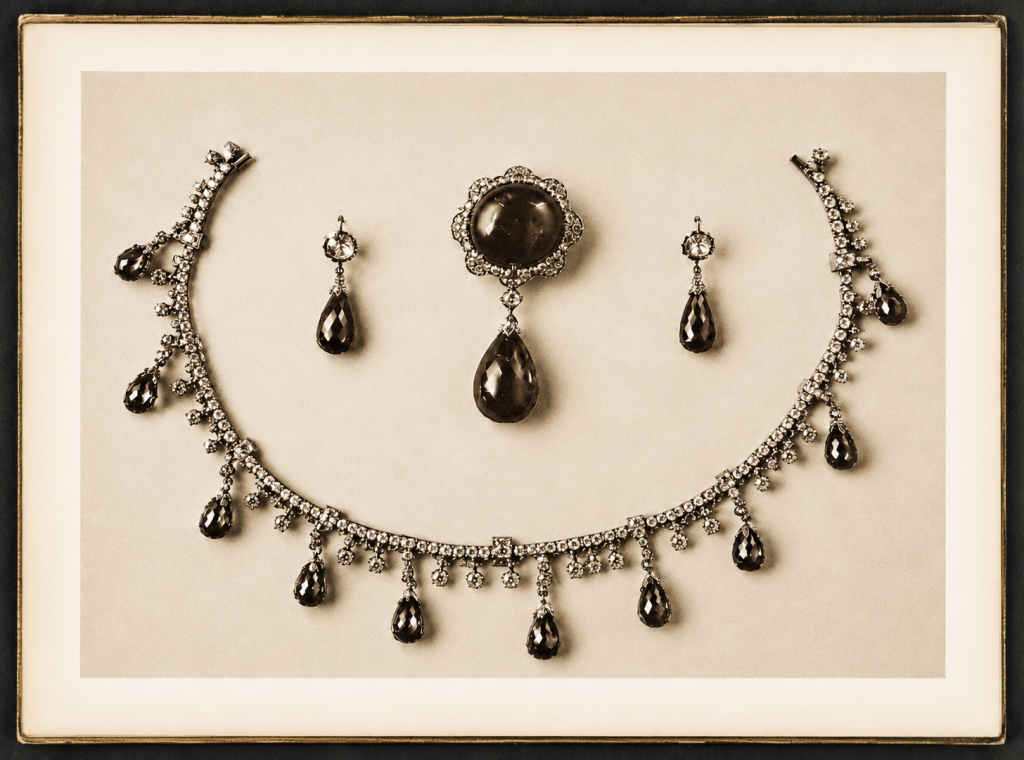
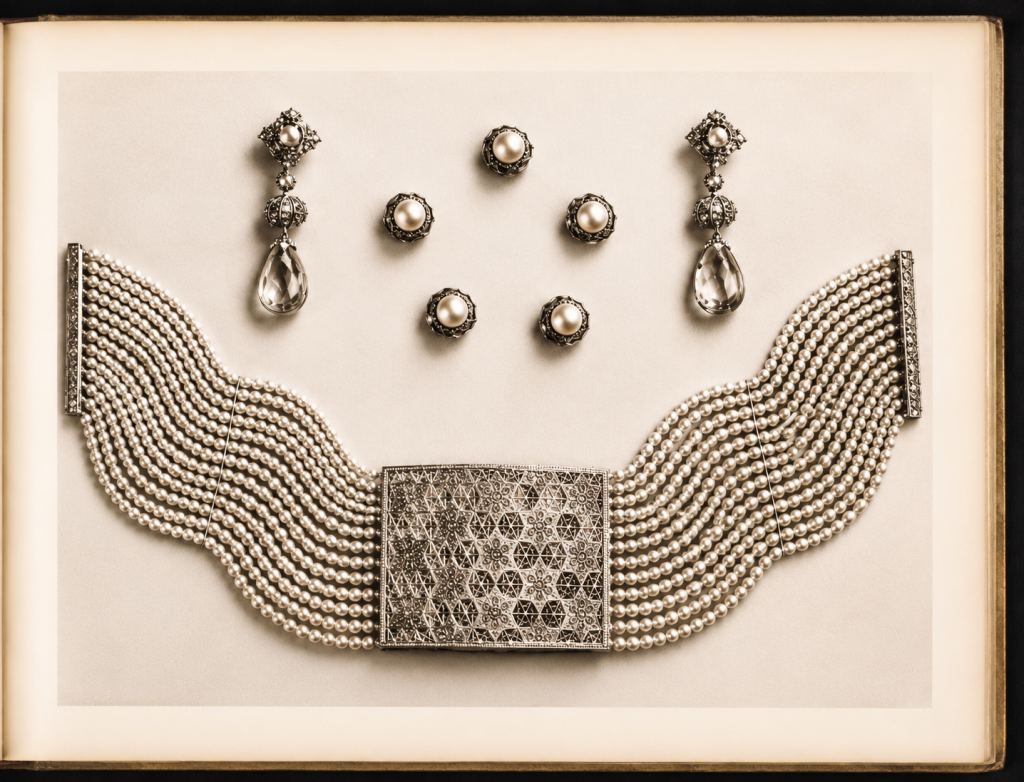
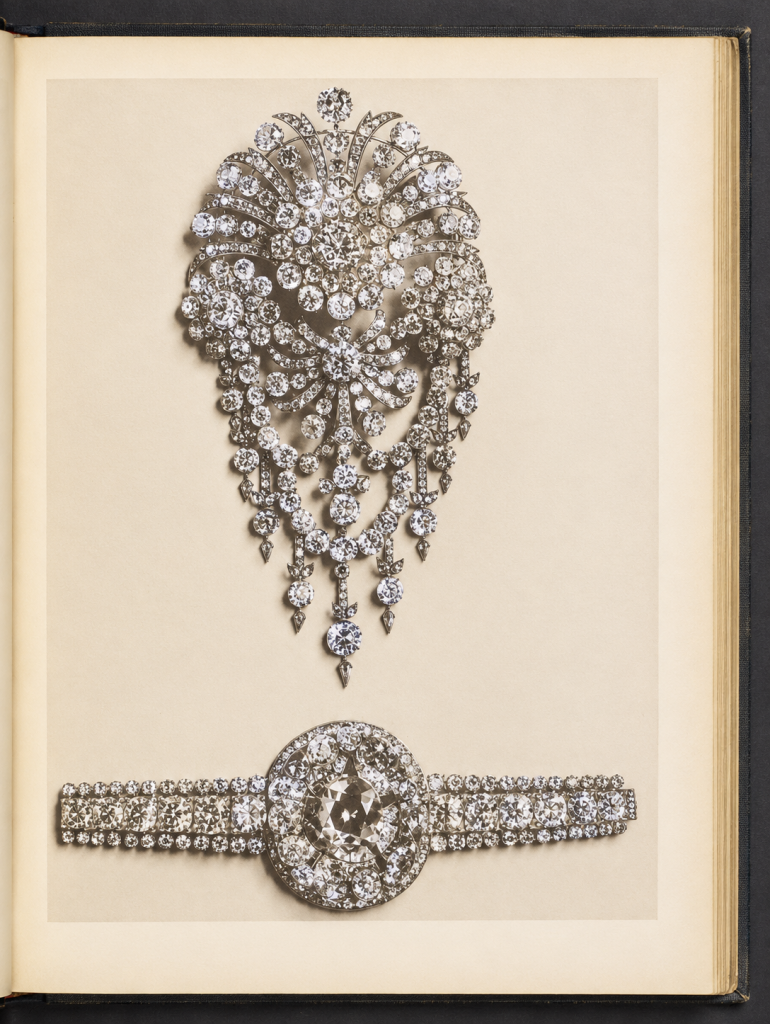
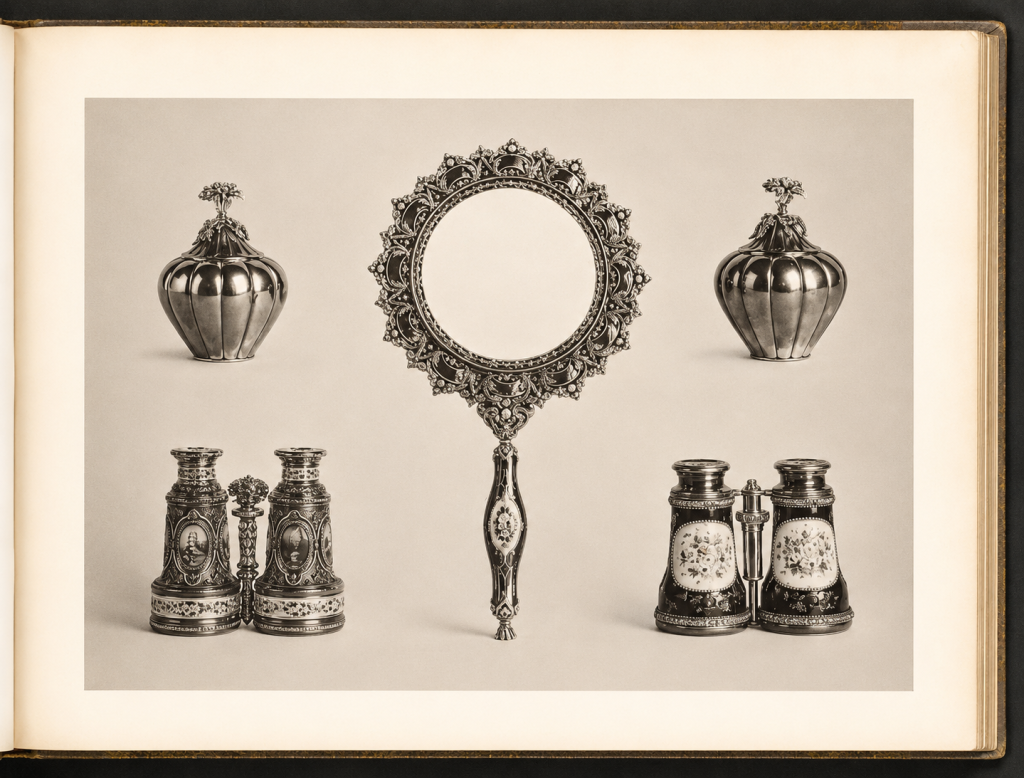
I have found a catalog printed in 1911 showing the jewels of Abdülhamid II which depict a stunning collection of jewelry.
Entitled Catalogue des Perles, Pierreries, Bijoux et Objets d’Art Précieux, it presents a dazzling collection of jewellery and provides detailed descriptions of the 419 lots sold in Paris at Hotel Hôtel Drouot and Galerie Georges Petit.
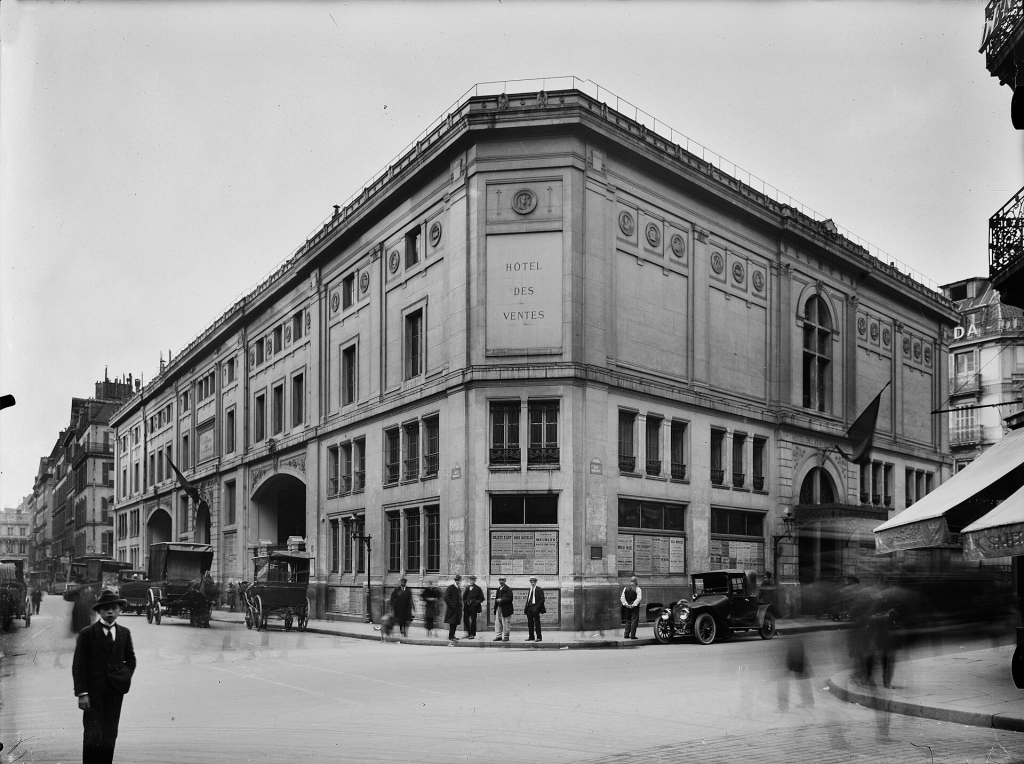
The Hôtel Drouot was—and still is—Paris’s principal auction complex, founded in 1852.
Through these extraordinary jewels, witness the splendor of a world that has disappeared forever!







Reference: turkiyetoday.com/culture/the-sultans-salon-how-ottoman-court-jewels-were-sold-in-1911-paris-sale.
Visuals are taken from 1911 auction catalog in Paris.