
As a final keepsake from my homeland, I picked up a pebble from the ground. Pressing this tiny fragment of my country against my heart, I reflected. Yes, in my sorrowful days, this would be my only solace. Who knows—in moments of longing, by looking at this veined stone, I would see the image of my beautiful city, the ruins of that venerable hearth which fell after seven centuries, and the beloved home of my childhood.‘
Dürrüşehvar Sultan
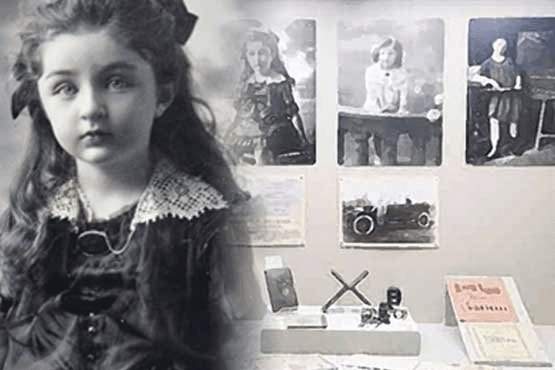
Palace Collections Museum which was once the kitchen of the Dolmabahçe Palace was finally opened in 2011 after years of restoration. Palace Collections Museum (Saray Koleksiyonları Müzesi) is a museum displaying everyday life artifacts of the Ottoman family. We know that there are more than 40,000 objects in the museum and they inform us with regards to the daily life of the Ottoman palaces. The museum hosts a range of objects from clothes, kitchenware, dinner sets, writing tools to carpets. What is even more interesting is that one can get a chance to see what it means to be a child in the Ottoman Palace.
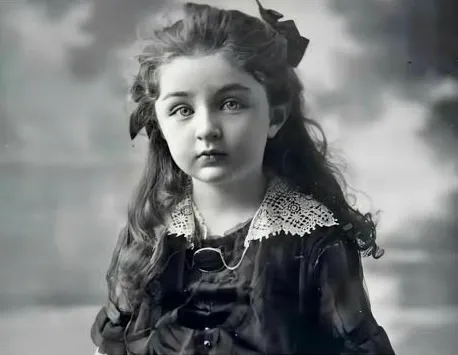
Dürrüşehvar Sultan
Art historians discovered the toys of Dürrüşehvar Sultan who was the daughter of the last Ottoman Caliph Abdülmecid and decided to display them at the Museum. Dürrüşehvar Sultan’s toys were simply ‘sleeping’ for the last 93 years in two chest boxes kept in the attic of Dolmabahçe Palace until they were ‘rediscovered’ and put on display. Dürrüşehvar Sultan had the chance to play with these toys until the age of ten, when she was expelled from the country along with the rest of the Ottoman family in 1924, following the declaration of the Turkish Republic, which marked the end of the Ottoman dynastic tradition.
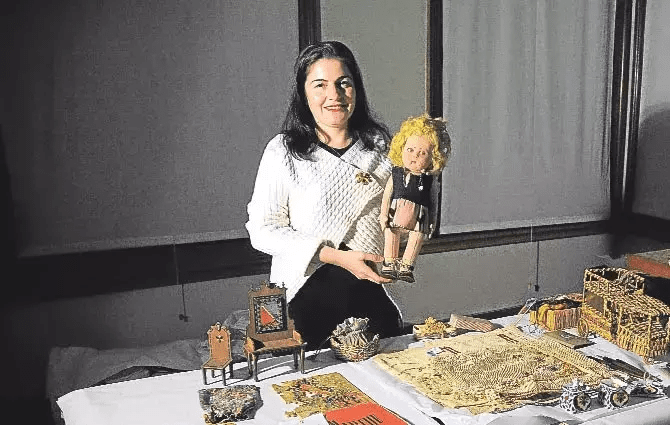
Art historian Ayşe Fazlıoğlu with the toys of Dürrüşehvar Sultan
The educational and play materials of the Sultan offer insights into the education and daily life of palace children. Among the toys and educational material in the collection are dolls, doll clothes, toy animals, toy kitchen utensils, toy furniture, checkers, dominoes, puzzles., measuring cups, books, notebooks, sketchbooks, crayons, sheet music, storybooks, and maps. These toys and educational materials are important for highlighting the importance placed on the upbringing of a member of the dynasty. They also reflect the close attention the last Caliph Abdülmecid, showed in raising his daughter.
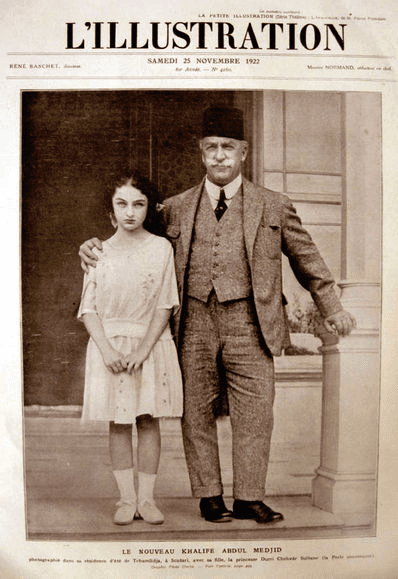
Dürrüşehvar Sultan with her father who was the last Caliph
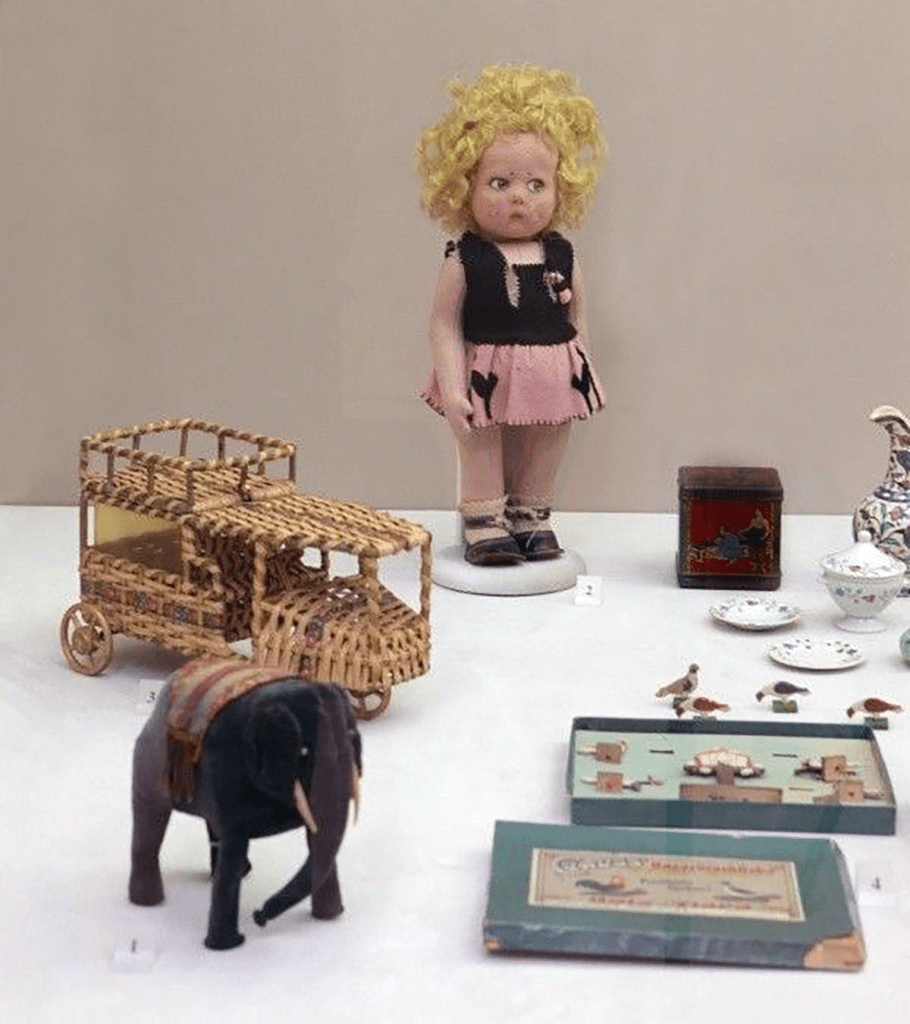
When you visit the Museum, you will get a chance to observe the world from the gaze of a royal child!
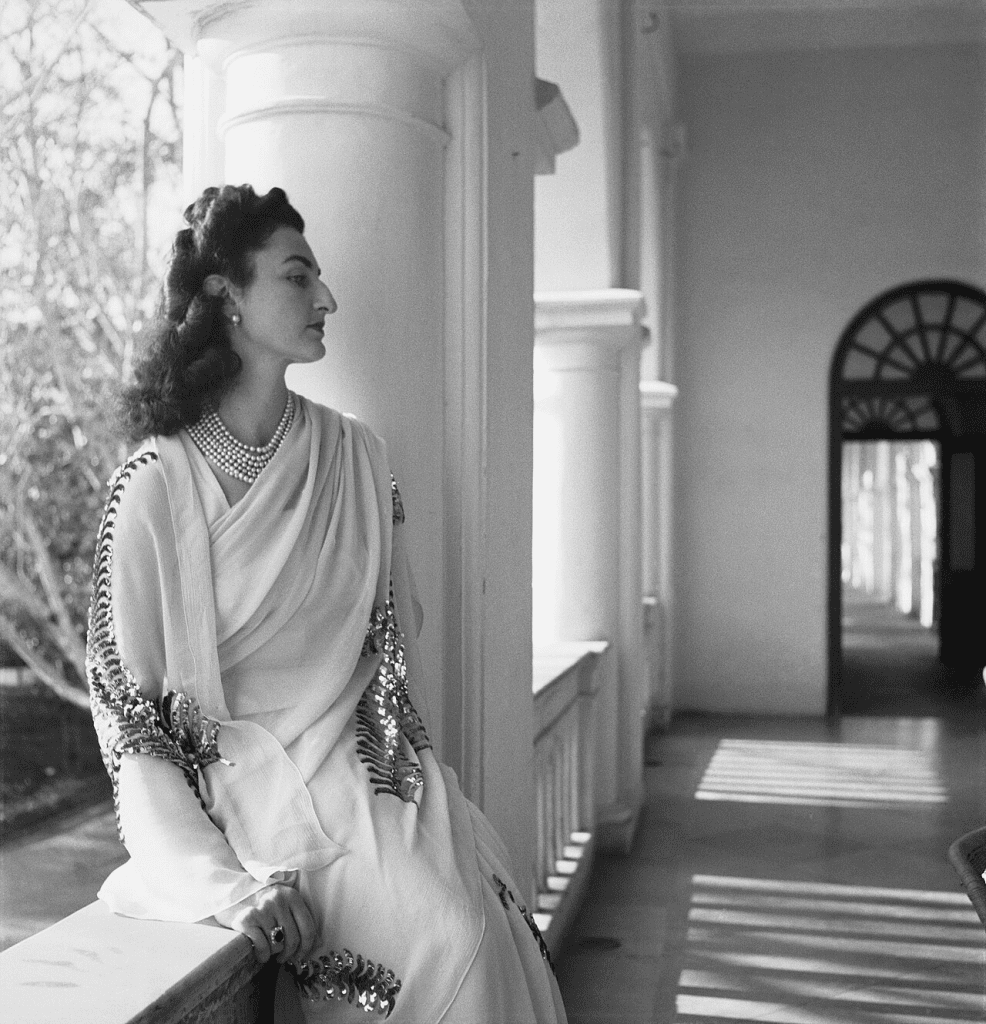
Dürrüşehvar Sultan in India
I want to end with a final note to Dürrüşehvar Sultan’s story. These were the words she wrote recalling the moment she left her homeland: ‘As a final keepsake from my homeland, I picked up a pebble from the ground. Pressing this tiny fragment of my country against my heart, I reflected. Yes, in my sorrowful days, this would be my only solace. Who knows—in moments of longing, by looking at this veined stone, I would see the image of my beautiful city, the ruins of that venerable hearth which fell after seven centuries, and the beloved home of my childhood.‘ (quote taken from ayseosmanoglu.com and translated by the author)
As a twist of fate, this ‘little girl’ never had the chance to live in her homeland again after leaving her country at the age of ten, despite her frequent visits once Ottoman imperial women were allowed to return. She was first married to an Indian rajah and later settled in London, destined to remain an Ottoman Princess in faraway lands!
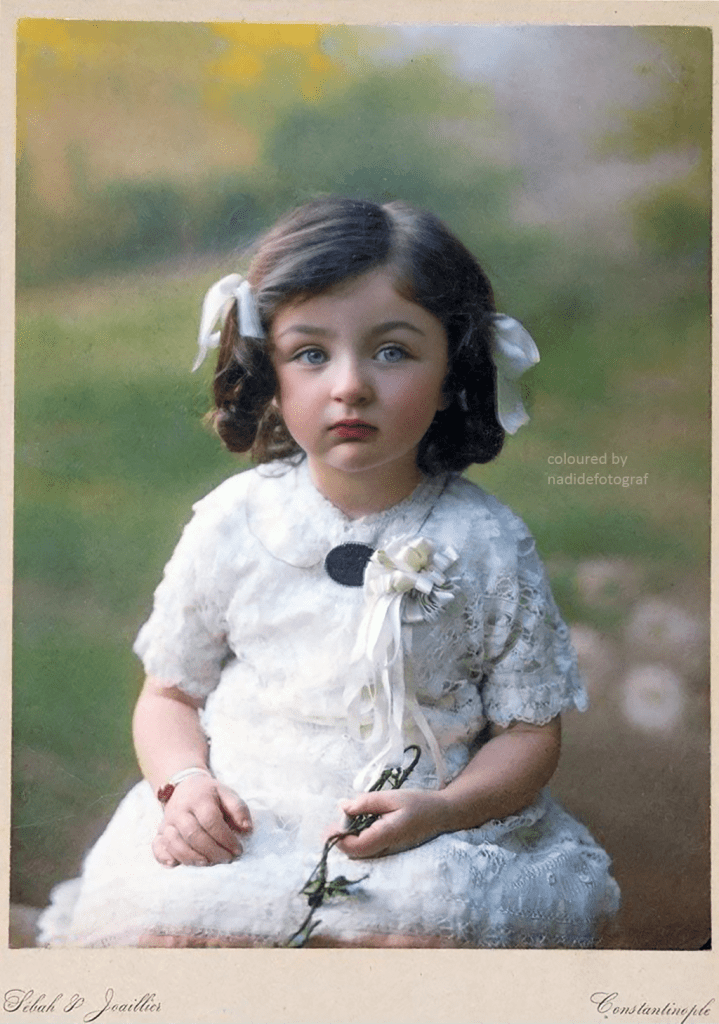
A colored photo of the adorable Dürrüşehvar Sultan