

In the late nineteenth century, Istanbul was a city in transition. New ideas, fashions and flavours arrived through its ports, blending with centuries-old Ottoman traditions.
Among the figures who shaped this evolving culinary landscape was Şekerci Udi Cemil Bey.

Cemil Bey
Born in Şehzadebaşı in 1867, Cemil Bey was known not only as a confectioner but also as a composer, hafız and accomplished oud player. In 1883, at the age of sixteen, he opened his first confectionery shop opposite the Şehzade Mosque, in the heart of Istanbul’s historic peninsula.

Cemil Bey in his later years
At the time, Şehzadebaşı was one of the city’s liveliest districts, famous for its theatres, coffeehouses and Ramadan festivities. Cemil Bey’s shop became part of this vibrant urban culture, offering traditional Ottoman sweets such as lokum, akide candy and almond paste.
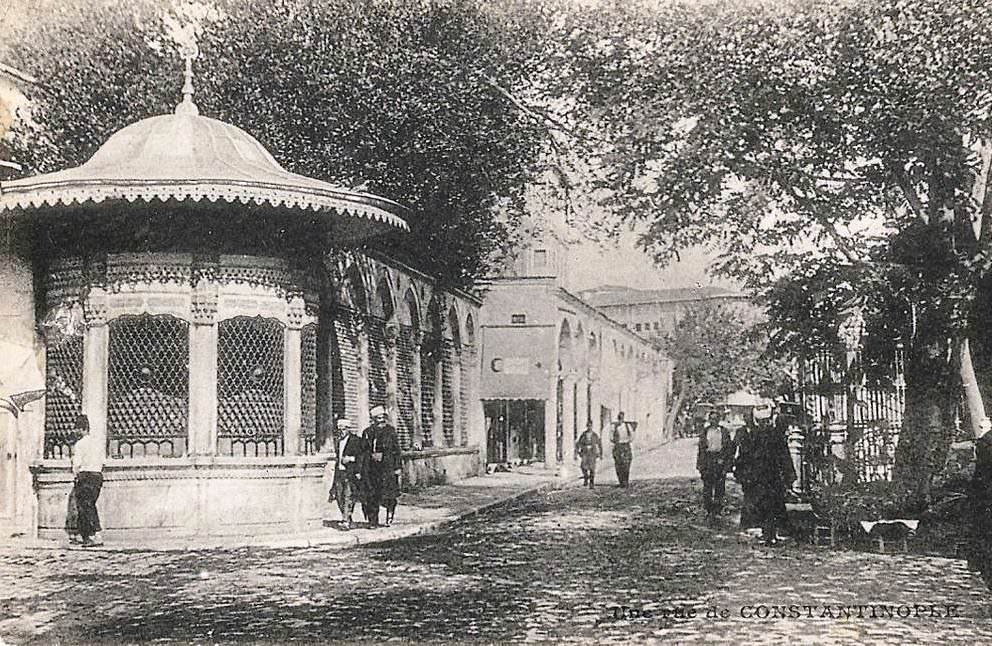
Once upon a time in Şehzadebaşı
As Istanbul became increasingly connected to Europe and the Mediterranean, new confectionery traditions began to emerge alongside established tastes. European-style pastries and cakes had already gained popularity in cosmopolitan districts such as Pera, where Levantine, Greek, Armenian and Italian pâtissiers introduced new techniques and flavours to the city.

Lokum, the Turkish delight
According to Istanbul culinary lore, Cemil Bey was among the confectioners who helped introduce new pastry traditions to the historic peninsula. Family accounts suggest that, seeking to expand the offerings at his Şehzadebaşı shop, he invited a master pastry chef from Crete to work alongside him at the confectionery.

Cemil Bey with his sons
It is said that the Cretan pastry chef prepared European-style cakes and pastries that were still relatively unfamiliar in the old city. Determined to protect the secrets of his craft, he would reportedly send his apprentices away during the most delicate stages of preparation, ensuring that his techniques remained known only to him.

Whether entirely factual or enriched through generations of storytelling, these anecdotes reflect the high value placed on culinary knowledge in the Ottoman world, where recipes and techniques were carefully guarded and passed from master to apprentice.

Cemil Bey’s confectionary shop in Cairo.
Cemil Bey’s legacy extended beyond confectionery. His musical talent earned him a place at the Mızıka-i Hümayun, and in 1909 he moved to Cairo, where he continued both his musical and confectionery pursuits. Cemil Bey opened a new confectionery, introducing Ottoman sweets to the cosmopolitan Egyptian capital.

After the family’s return to Istanbul in 1937, the business was revived under the name Cemilzade. Today, more than a century after its founding, Cemilzade remains one of Istanbul’s enduring historic brands, a reminder that the city’s identity has always been shaped by the meeting of cultures, tastes and traditions.

Visuals are taken from Yuzyıllikmarkalar.org and cemilzade.com.