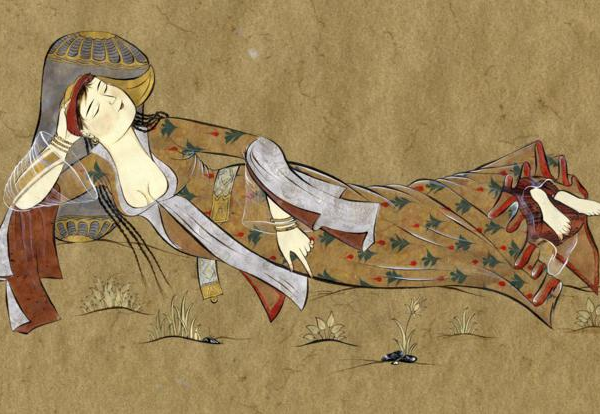


Before Istanbul’s nightlife moved to Pera and İstiklal Avenue, the city’s cultural heart beat elsewhere along the colonnaded streets of Direklerarası.
Located between Vezneciler and Şehzadebaşı on the historic Divanyolu, Direklerarası took its name from the arcades supported by rows of columns that once lined the avenue. Built in 1728–1729 as part of the külliye of Grand Vizier Nevşehirli Damat İbrahim Pasha, the arcade originally consisted of eighty-two shops whose rents funded the complex.
For decades, the area served as a commercial hub and a favourite gathering place for Janissaries. Following the abolition of the Janissary corps in 1826, however, Direklerarası gradually transformed into something new: the entertainment district of Ottoman Istanbul.
If Pera represented the cosmopolitan, European face of the city, Direklerarası embodied its Ottoman soul.
Here, in the neighbourhoods surrounding Şehzadebaşı, Ramadan evenings unfolded into a dazzling spectacle of light, music and performance. After iftar and evening prayers, families strolled beneath the arcades, moving between coffeehouses, kıraathanes, theatres and tea gardens. Karagöz shadow plays, meddah storytellers, hokkabazs, incesaz ensembles, cantos and tuluat theatre performances transformed the district into a living stage.
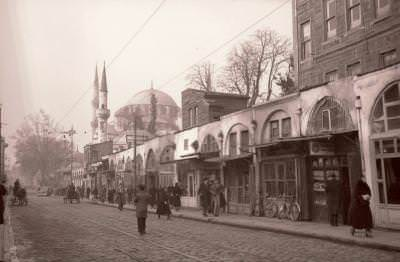
Unlike the grand cafés and cabarets of Pera, Direklerarası offered a distinctly local experience. It was the preferred entertainment district of the Muslim middle classes and one of the first places where traditional Ottoman performance culture encountered modern forms such as theatre, operetta and cinema. In fact, some of Istanbul’s earliest theatres and cinemas emerged here, making Direklerarası a crucial bridge between old and new forms of urban entertainment.

A scene from Orta Oyunu, the traditional Turkish improvised folk theatre put on stage at Direklerarası, early 20th century
The district was also a vibrant intellectual centre. Its tea houses and kıraathanes attracted journalists, poets, musicians and writers who gathered to discuss literature, politics and the changing world around them. As the city modernised, Direklerarası became a place where new social norms were negotiated including the growing visibility of women in public life.
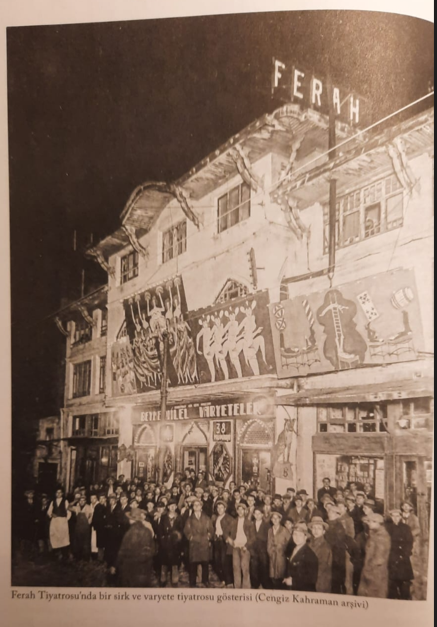
A glimpse at Ferah Theater Hall, which was among the many Theater Halls in Direklerarası
By the early twentieth century, however, Istanbul’s centre of gravity was shifting. Pera with its theatres, hotels, bars and cafés along the Grande Rue de Péra, today’s İstiklal Avenue began to eclipse Direklerarası. What had once been two complementary entertainment worlds gradually became one dominant centre.
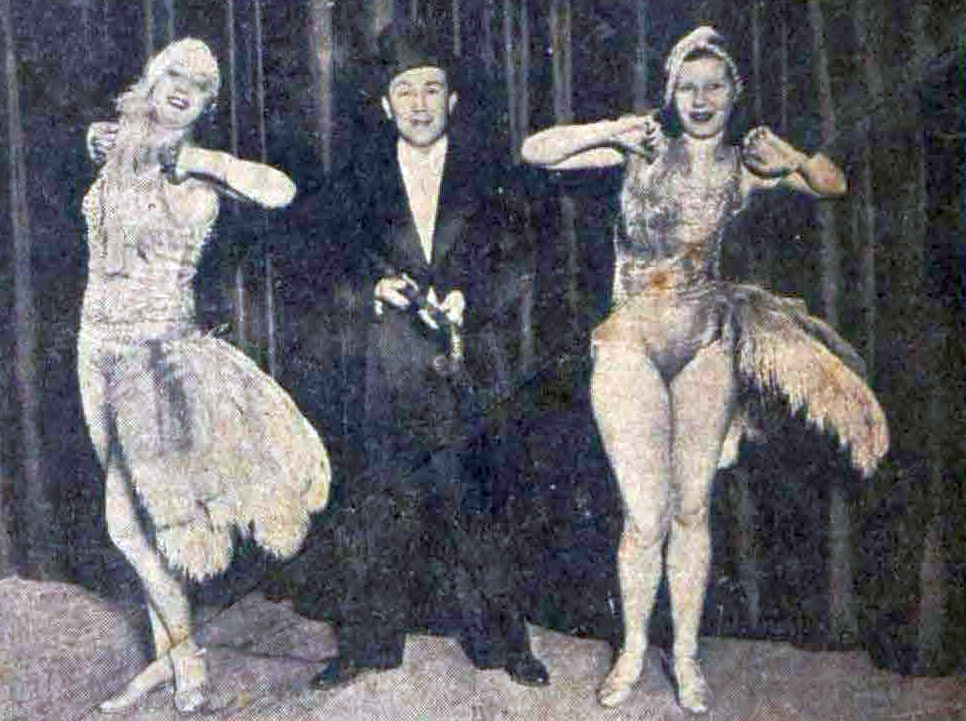
A show at Ferah Theatre Hall in Direklerarası, 1932
The final blow came in 1958, when extensive road-widening projects erased much of the historic arcade and many of the surrounding buildings. Today, only fragments remain.
Yet Direklerarası lives on in Istanbul’s cultural memory. It survives in old photographs, memoirs and theatre histories as the place where the city gathered to watch, listen, debate and dream.
To walk through Şehzadebaşı today is to pass through an invisible landscape—one where the echoes of laughter, music and applause still linger between columns that are no longer there.
Visuals are taken from mindap.org and muhalif.com. Note that the video is embedded via YouTube and all rights belong to the respective rights holders.