
Yeşilçam was not only a cinematic tradition but also an Istanbul story. Named after Yeşilçam Street in Beyoğlu, it became the heart of Turkish cinema, where dreams, scripts, and stars were born. Istanbul itself functioned as a silent protagonist in these films: ferry crossings on the Bosphorus, narrow streets of old neighborhoods, modest apartments, and grand yet fading mansions all mirrored the emotional landscapes of the characters. Yeşilçam gave Turkish cinema its first shared visual memory, creating a language of storytelling rooted in Istanbul’s rhythms, contradictions, and beauty.
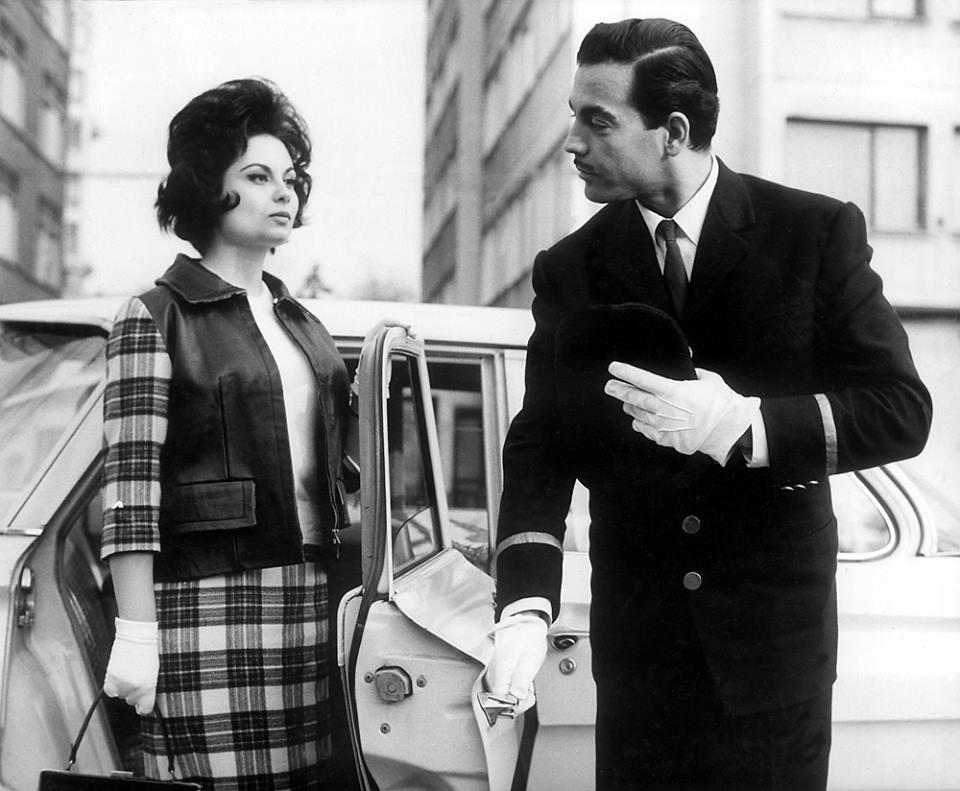
Belgin Doruk and Ayhan Işık, the icons of Yeşilçam movies
Yeşilçam love films of the 1950s, 60s and 70s did more than entertain audiences; they quietly shaped the emotional language of an entire society. Through unforgettable stars like Belgin Doruk, Türkan Şoray, Ediz Hun, Ayhan Işık and Kadir İnanır, love was portrayed as something tender, dignified, and deeply meaningful often impossible, yet always worth longing for. These films taught generations how to feel love before they taught them how to speak it.
In Yeşilçam, love rarely rushed. It unfolded through long glances, restrained touches, letters never sent, and lovers separated by fate, class, or misunderstanding. Belgin Doruk embodied fragile grace and emotional purity; Türkan Şoray, with her iconic gaze and quiet intensity, became the eternal symbol of passionate restraint; and Ayhan Işık represented the noble, suffering lover, strong, silent, and devoted. Together, they created a timeless emotional grammar of love.
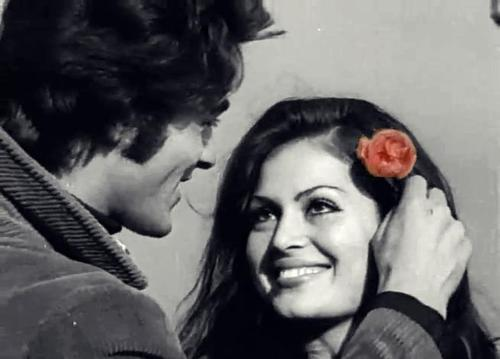
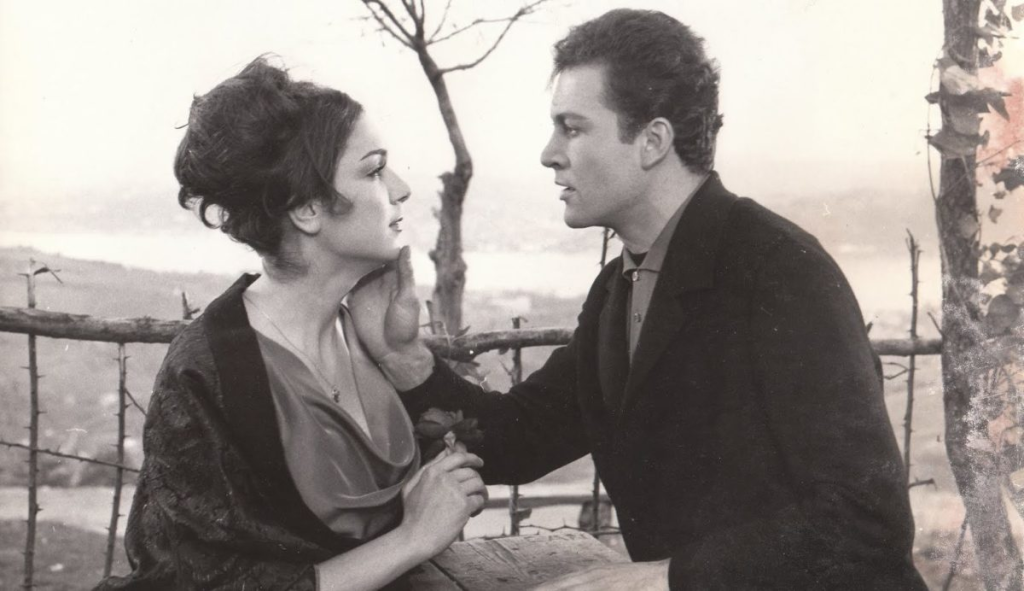
Kadir İnanır and Türkan Şoray, a scene from an unforgetable Turkish move titled Kara Gözlüm
These narratives settled gently into the Turkish subconscious. Even today, their echoes are unmistakable in Turkish TV series: lovers who cannot unite, silences heavier than words, emotions carried in the eyes rather than spoken aloud. What might appear exaggerated to outsiders feels deeply familiar to Turkish audiences, because it reflects an emotional heritage shaped by Yeşilçam.
Yet at its core, Yeşilçam’s vision of love is not pessimistic, it is profoundly hopeful. It reminds us that love is meaningful even when it hurts, that waiting can be an act of devotion, and that emotional depth is a strength rather than a weakness. In a fast and noisy world where desire is often loud, exposed, and hurried, these old films still whisper a gentle truth: love endures, not because it is easy, but because it is deeply felt.
And I am still captivated by the naïveté of these old Turkish movies, longing for a time I never had the chance to experience! These films are the real reason my generation still believes in the spell of love and the notion of eternal love waiting to happen, regardless of all the heartbreaks that arise when fantasy meets reality. They are living reminders that fantasy is grander and deeper than experience, and it is our ultimate compass!
Note: The videos are embedded via YouTube. All rights belong to the respective rights holders.