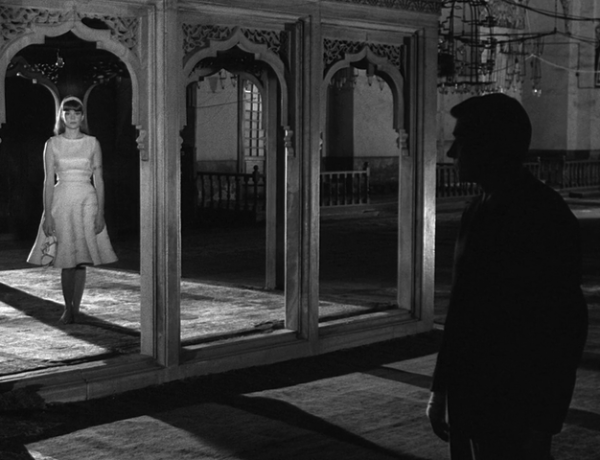

At the entrance to the palace, beneath certain chambers is an open loggia of marble with stone benches round it, and stones like tables raised on low pillars in front of them, placed end to end. Here are many books and ancient writings and histories, and on one side are gaming boards, because the emperor’s house is always well supplied.‘
Spaniard Pero Tafur’s words after his visit to Constantinople, 1437
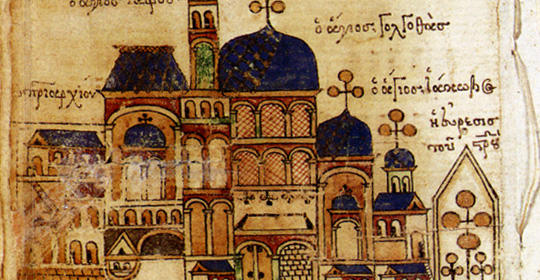
Medieval depiction of Constantinople
Constantinople, the capital of the Byzantine Empire from its founding in the fourth century until its fall in 1453, was one of the most important centers for the preservation of ancient Greek literature and learning in the medieval world. Long after many ancient libraries had vanished, the Byzantine capital maintained a tradition of copying, studying, and safeguarding Greek texts, including works of philosophy, history, science, and literature. This deep attachment to the written word was one of the reasons Constantinople remained a vital link in the transmission of classical knowledge across centuries.
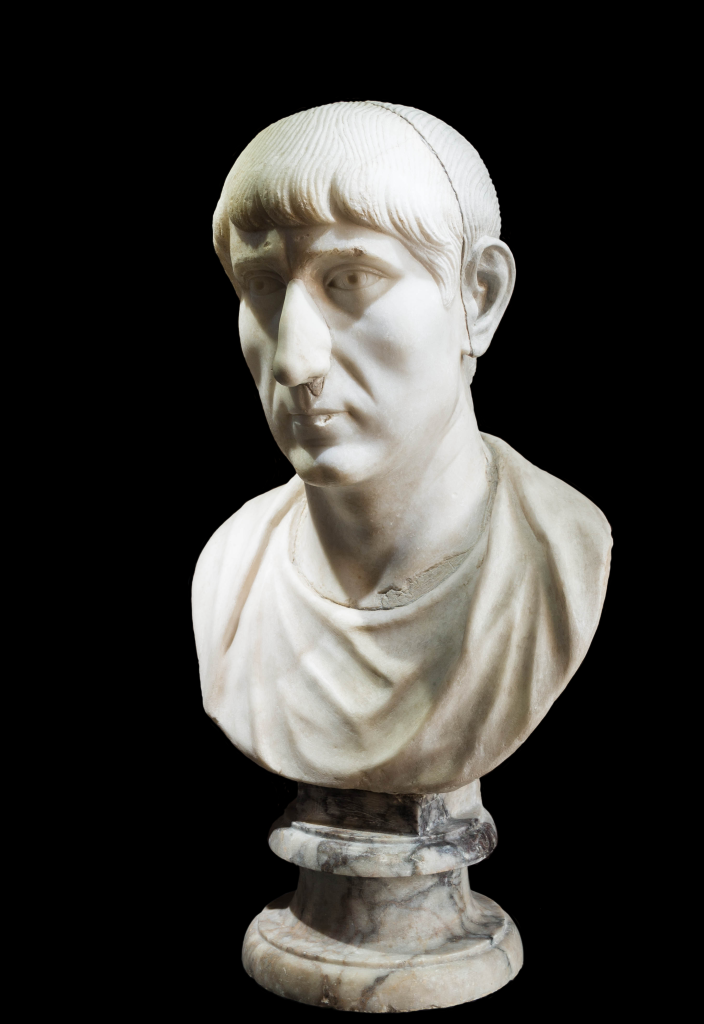
Emperor Constantius II (317 – 361), son and successor of Constantine I.
One of the earliest known efforts to preserve Greek literature in the imperial city began under Emperor Constantius II in the mid‑fourth century. Concerned about the fragility of older texts written on papyrus rolls, Constantius initiated a program to have sacred scriptures and classical works copied onto more durable materials such as parchment or vellum. This effort helped create what later scholars refer to as the Imperial Library of Constantinople, a repository of Greek and Latin works that would grow over the centuries. The library’s scriptorium employed teams of scribes to transcribe and maintain these texts, and by the fifth century it had become a key repository for works that might otherwise have been lost. Historical accounts suggest that the library housed a rich collection of classical writings and that Byzantine scholars relied on these works for teaching, commentary, and copying.
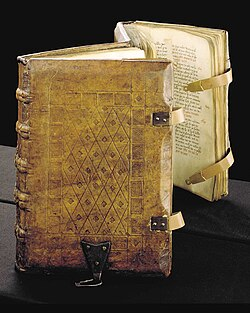
Note that Parchment was refined and widely produced in Pergamon in the 2nd century BC, though it existed earlier.
Despite its importance, the library and its contents faced repeated threats. The sack of Constantinople by crusaders in 1204 caused extensive destruction and dispersal of manuscripts, and although Byzantine scholars and monastic institutions later worked to rebuild collections, much of the original imperial library was gone. By the early fifteenth century, as the Byzantine Empire faced mounting pressure from the rising Ottoman state, the surviving Greek manuscript tradition in Constantinople remained vital but increasingly vulnerable.
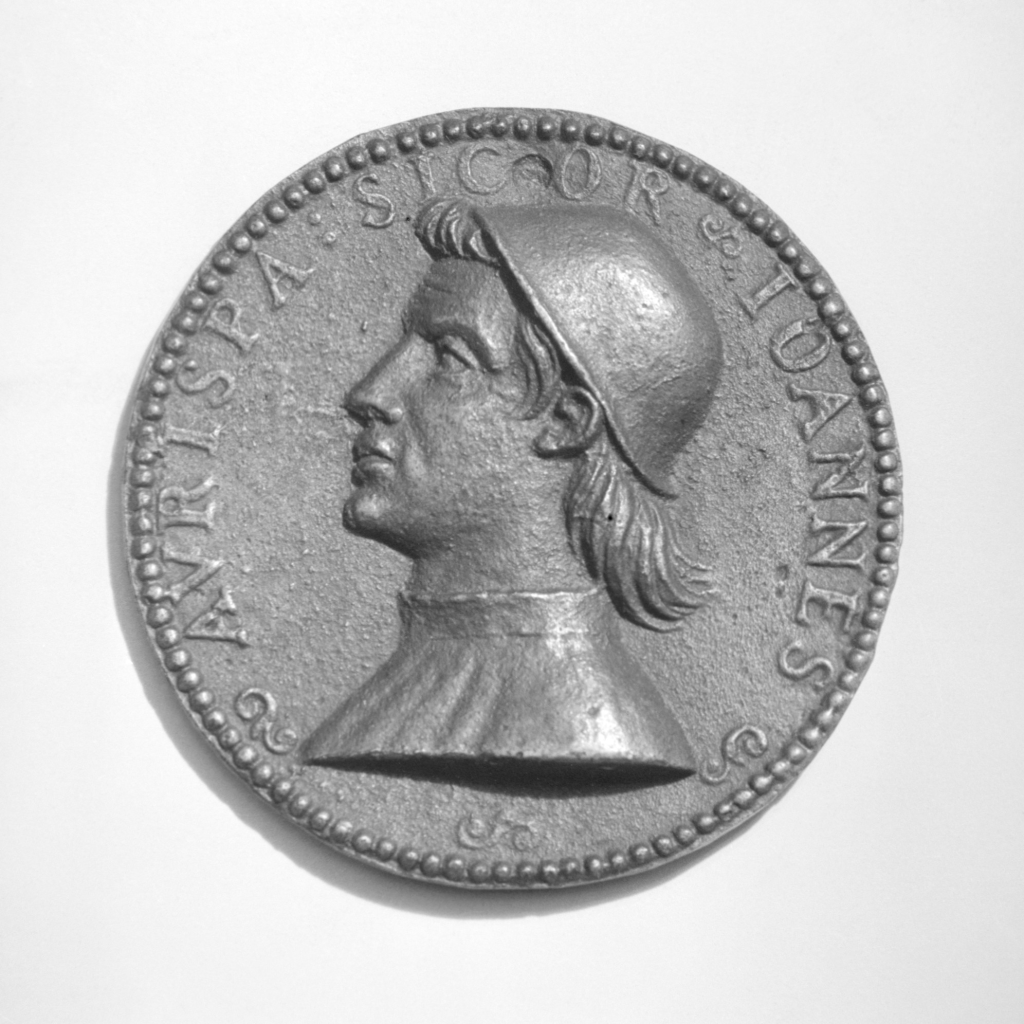
Giovanni Aurispa
It was during this period that Western European collectors and humanists began to take a keen interest in acquiring Greek texts. Among the most notable were Giovanni Aurispa, an Italian scholar who traveled to Greece and Constantinople in the early 1400s to study Greek and gather manuscripts, and Niccolò de’ Niccoli, a Florentine humanist who was actively collecting and copying classical texts. Giovanni Aurispa returned to Italy in 1423 with one of the largest and most significant collections of Greek manuscripts to reach the West prior to the library assembled by Cardinal Bessarion. His collection included works by major classical authors such as Plato, Plotinus, Proclus, Homer, Sophocles, Aeschylus, Procopius, and Xenophon, greatly enriching the intellectual resources available to early Renaissance humanists.

Manuscripts of Cardinal Bessarion Library is today preserved in the Biblioteca Nazionale Marciana, Venice
Other Western figures who benefited from or facilitated the transfer of Greek texts included Poggio Bracciolini, who scoured monastic libraries for lost Latin works, and Leonardo Bruni, who studied Greek from Byzantine scholars in Florence and translated numerous texts into Latin. Cardinal Bessarion himself, a Byzantine scholar and later a high-ranking official in the Catholic Church, would go on to amass one of the largest early Greek manuscript collections in Italy, further ensuring the survival and circulation of these works. Collectively, these scholars and collectors established a bridge between Constantinople’s rich manuscript culture and the burgeoning intellectual life of Renaissance Italy.

Florence, the capital of Renaissance Italy
The arrival of Greek manuscripts in Italy had profound consequences for Western scholarship. Once in Italy, these texts became the basis for translations, commentaries, and curricula that revived interest in classical antiquity. Works that had survived for centuries in Constantinople’s libraries now found new life in the universities, courts, and eventually printing houses of Western Europe, shaping the course of the Renaissance.
While no major portion of the Imperial Library of Constantinople survives today, its legacy endures through the Greek manuscripts preserved, copied, and shared by Byzantine scribes and Western collectors. Through these texts, the intellectual heritage of ancient Greece passed from the Byzantine capital on the Bosporus into the heart of the Renaissance, bridging East and West and leaving an enduring imprint on world culture.