
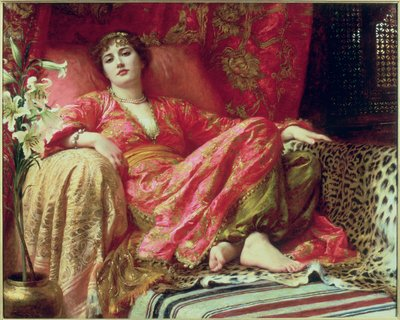
Leila, Frank Dicksee, 1892
‘The jessamines [jasmines] and honeysuckles that twisted round their trunks shedding a soft perfume, increased by a white marble fountain playing sweet water in the lower part of the room, which fell into three or four basins with a pleasing sound. The roof was painted with all sorts of flowers, falling out of gilded baskets, that seemed tumbling down. On a sofa, raised three steps, and covered with fine Persian carpets, sat the kiyaya’s lady, leaning on cushions of white satin embroidered; and at her feet sat two young girls, the eldest about twelve years old, lovely as angels, dressed perfectly rich, and almost covered with jewels.’
What you have just read is a first hand account of the first Christian woman visiting the harem in 1717 and that is Lady Mantagu who was the wife of the British Ambassador in Imperial İstanbul.
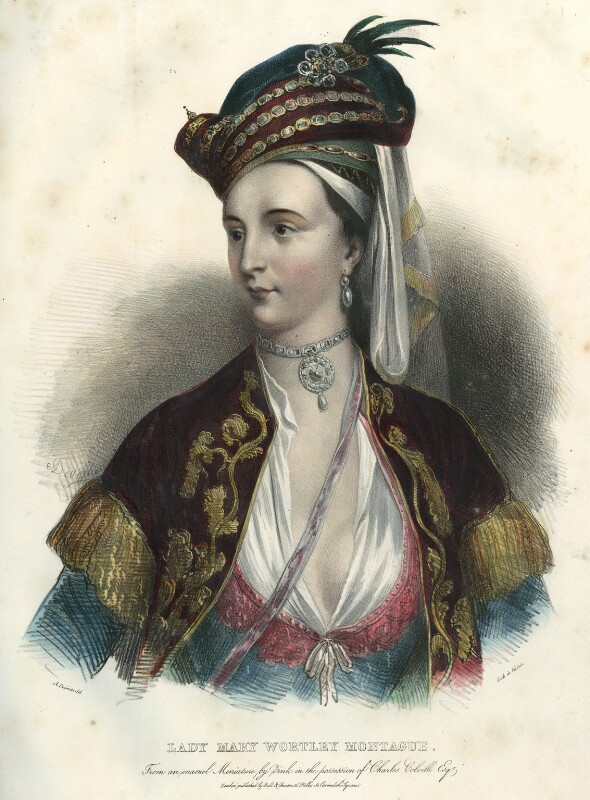
Lady Montagu in Turkish dress
Harem as an institution has been as much a part of our fantasies as it has been a part of history.

Harem by Jean Leon Gerome
Foreign travelers, writers and artists who have visited Imperial İstanbul throughout centuries have written about the harem as well as having made visual records of it in spite of the fact that they have never seen it or had a first hand encounter with anyone who has ever lived in it. The painting titled Harem by the 19th century Orientalist painter Jean Leon Gerome is a typical example of this. Gerome painted the harem in the Topkapı Palace of his own imagination as public nudity in the Palace was unthinkable. Although the actual physical space he depicted exists, the rest is pure fantasy. Art historians say that he learnt about the actual details of the harem from foreign photographers of the era who have had a chance to visit the palace. We know that there are photos of Topkapı Palace as early as 1850s.
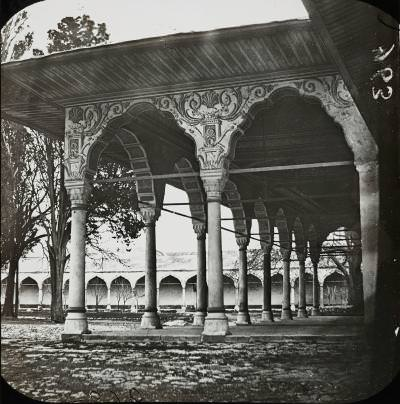
Topkapı Palace, Claude-Marie Ferrier, 1850s

Harem Women Feeding the Pigeons by Jean Leon Gerome
In fact the word harem is derived from the Arabic word haram which means ‘forbidden’. Harem was the house of the Sultan where his mother, concubines and kids lived so it signified everything intimate and sacred to him. There are few first hand accounts of the harem written by late 19th century harem women and foreign travelers such as Lady Montagu who was able to visit the harem for brief periods but apart from all these stories, all we ‘hear’ about the harem are mere fantasies.

John Frederick Lewis, Harem, 1876
All we know is that almost all harem women were either war slaves abducted from regions such as the Balkans, Europe and Caucasia where Ottomans conquered or bought in the slave market. Some were Ukrainian, others were Italian and some were Greek but most of these women came from Christian backgrounds. Another thing we know is that all of these women were taken to the harem when they were very young before puberty and they were ‘given’ a new identity. Their name as well as their religion was changed. They learnt the manners of the harem with its ‘language’, skills of courtesy and arts such as singing, playing the music and dancing. They were trained in a manner to compete for the ‘gaze’ of the Sultan so that they would be favoured compared to all other girls in the harem.
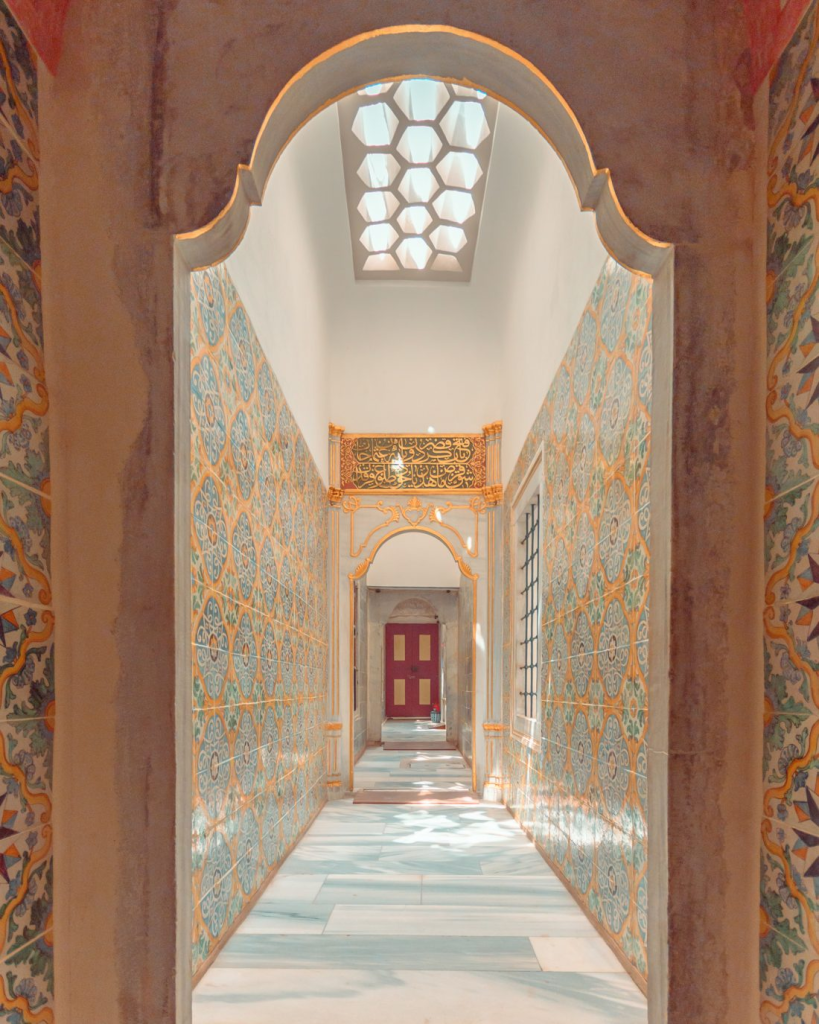
Corridor in the Topkapı Sarayı Harem
There was a strong hierarchy in the Harem and not much compassion among the harem women who were competitors rather than ‘friends’. Mother of the Sultan was the head of the harem with all the power in her hand to control the affairs of the harem. She had much influence to guide and manipulate the Sultan himself. The first woman to give the Sultan a male heir was the second in the hierarchy and she was named as the ‘favourite’ of the Sultan. The rest of women in the harem were simply concubines.
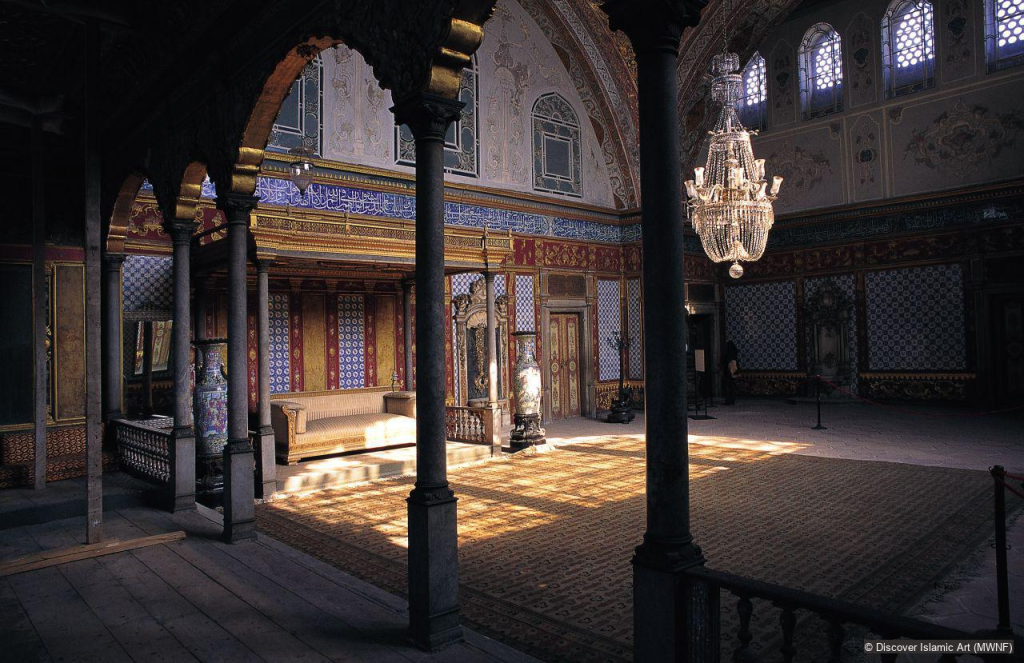
Topkapı Sarayı Harem Has Oda where receptions in the harem were held
Concubines competed for the attention of the Sultan and to give him the first male heir and they were ready to do anything to get ahead in this ‘game of power’ including poisoning their competitors or their kids.
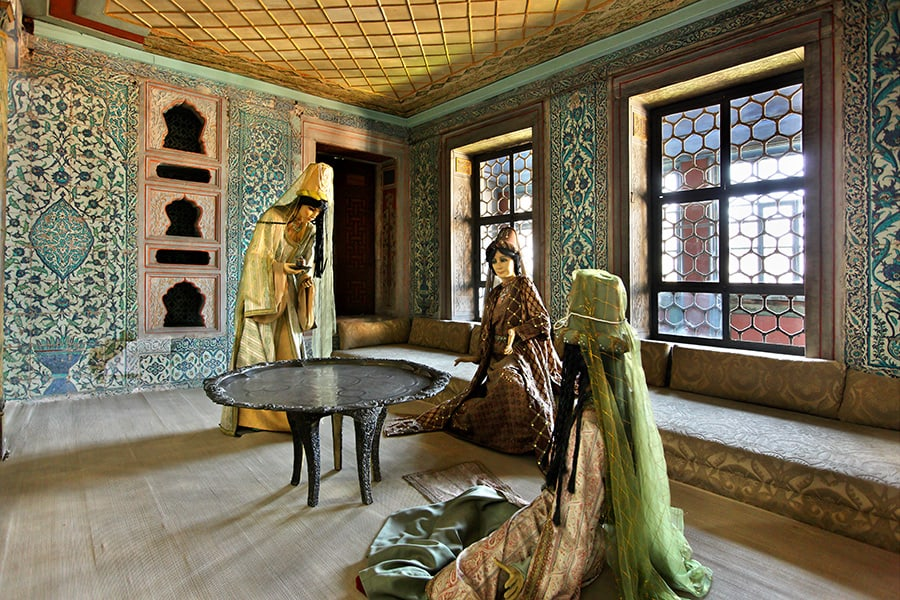
A corner from the Topkapı Palace Harem
Harem women lived in utter isolation from the rest of the world inside the confined world of the harem among women. The only men they could see apart from the Sultan and their sons were the black eunuchs who worked as guards in the harem.
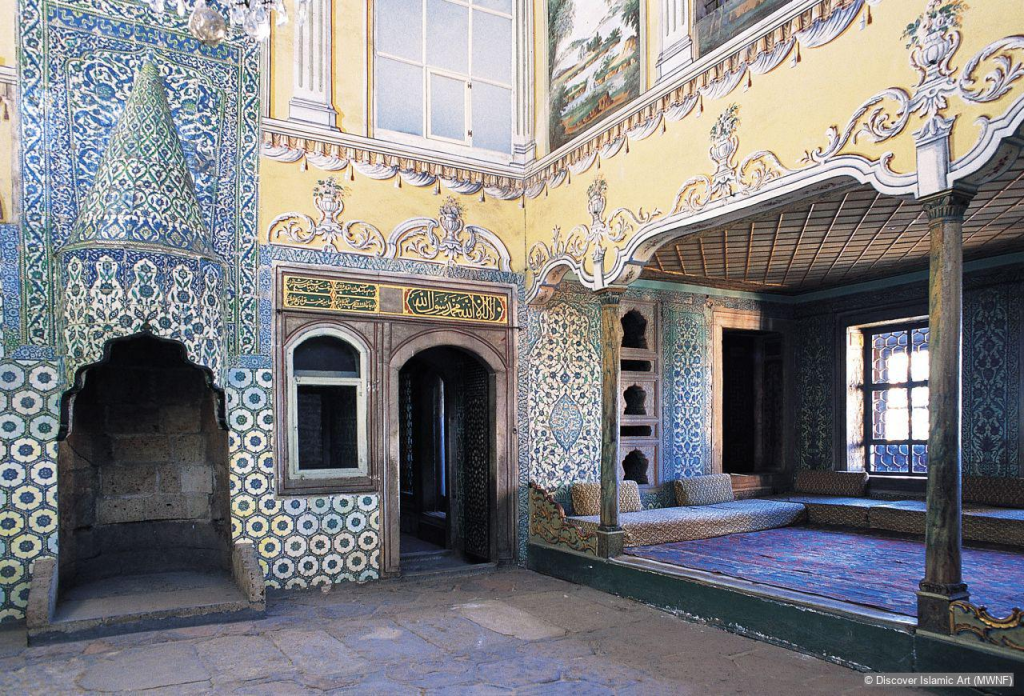
The Room of Valide Sultan (the mother of the Sultan)
We know that harem women spent their time making music, dancing, playing games, writing poetry and producing crafts such as embroidery.
Lend an ear to Prof. Leslie Peirce from NY University talking about the harem.
If you want to delve into the world of the harem women, I would recommend you to see the harem in the Topkapı Palace which has ignited the imagination of artists and travellers for centuries.