
History of archeology is partially a history of plunder especially on this side of the globe. Almost all archeological excavations that took place in the 19th century in the Ottoman Empire had a dubious side to it and jewels of Troy that were discovered in 1870s were no exception.
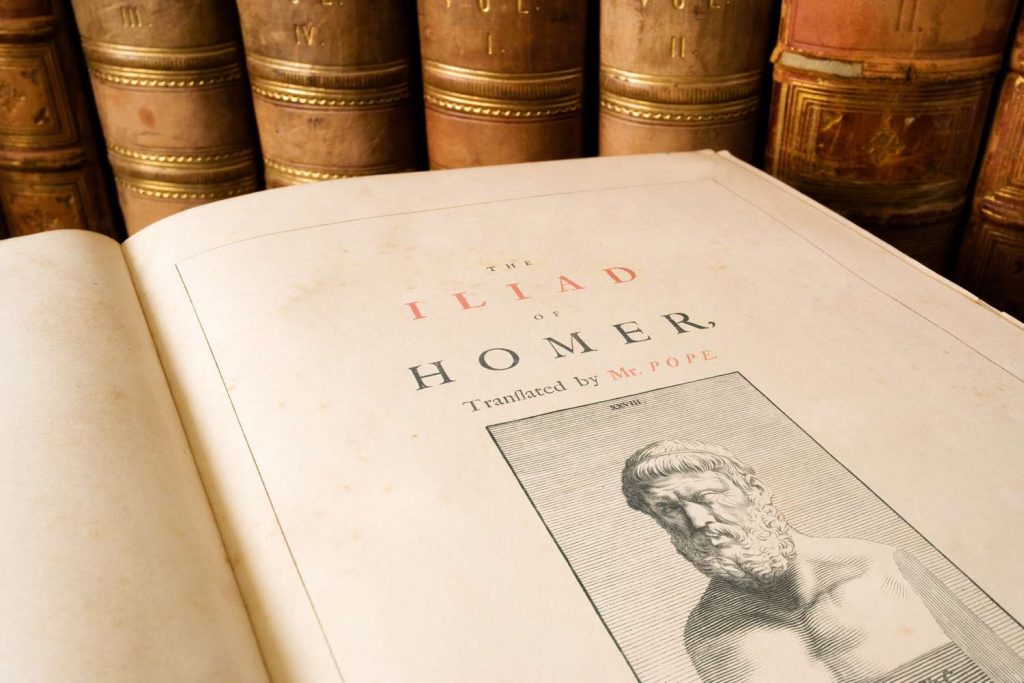
Jewels of Troy were discovered by an ‘amateur’ archeologist named Heinrich Schliemann who was obsessed with finding the remains and the treasures of Troy. On the footsteps of Homer’s Trojan War mentioned in Iliad , he spent 20 years excavating in northwestern Turkey (near the Dardanelles) and finally discovered thousands of old artefacts including diadems of woven gold, rings, bracelets, intricate earrings, necklaces, buttons, belts and brooches which he called ‘Priam’s treasure’ referring to the king Priam.

Schliemann smuggled all of these valuable artefacts out of the Ottoman Empire but the story does not end here. All these valuable artefacts that were displayed in Berlin were once again plundered by the Soviets who invaded Berlin during the 2nd world war. Today, they are displayed at the Pushkin Museum. It is estimated that the collection in the Pushkin Museum consist of 8000-9000 pieces which can show us the scale of the plunder by Schilemann.
Art historians say that some artefacts from the Troy excavations are scattered round the world in nearly 40 different museums. One of them was the Penn Museum in US. Luckily, Turkey was able to ‘persuade’ the Penn Museum in 2012 to return 24 pieces of artefacts from the Troy excavations that had ‘ended up’ there. These 24 pieces returned ‘home’ after 140 years and now are displayed at the Troy Museum in Çanakkale.

Schliemann’s wife wearing the jewels of Troy
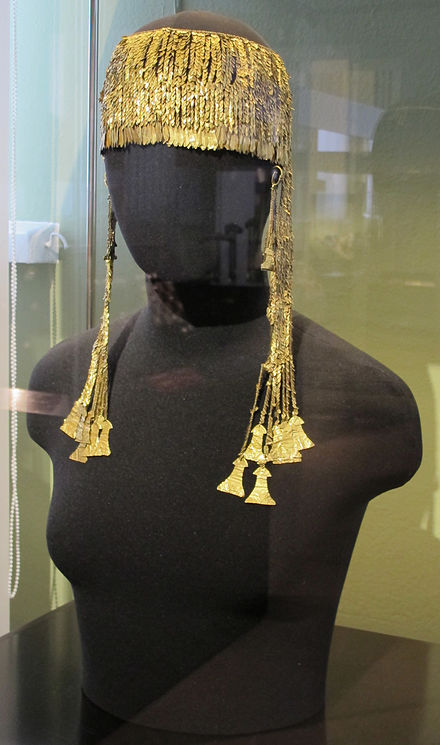
Pieces of Jewellery from the Troy Collection in the Pushkin Museum
There is also a section dedicated to Troy in İstanbul Archeological Museum.
Recent scientific examination on the Jewels of Troy reveal that they date back 1250 years earlier than the Trojan War which makes them approximately 4500 years old!
I suggest you visit the shop at the İstanbul Archeological Museum to see the beautiful replicas of these fascinating pieces of ‘Trojan jewellery’ that have been igniting the imagination of people for thousands of years. You can buy the rings, necklaces and earrings from the Troy Collection which are the exact replicas of the original jewellery.

Istanbul Archeological Museum
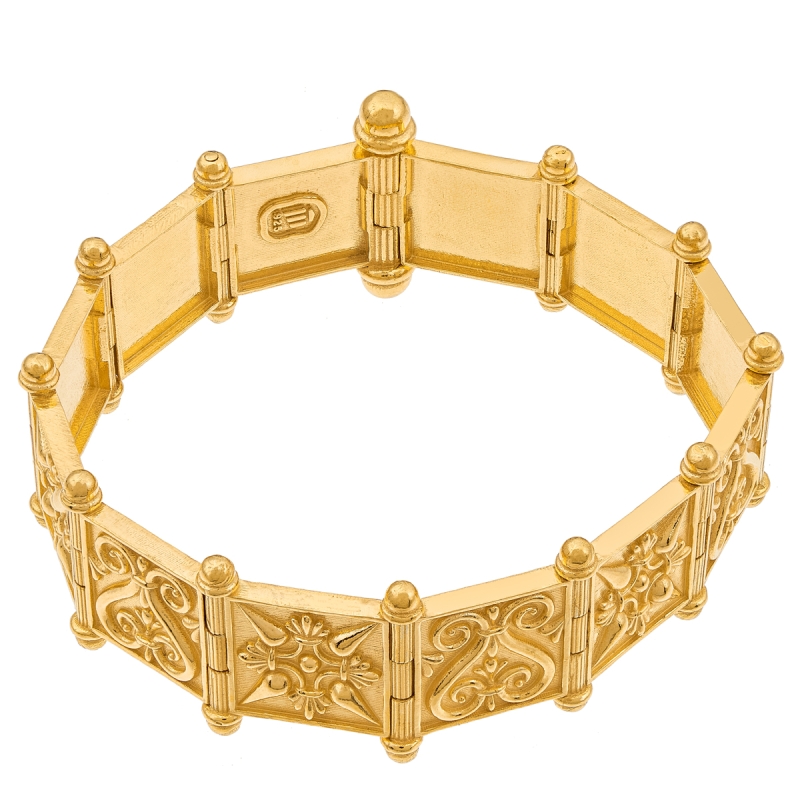
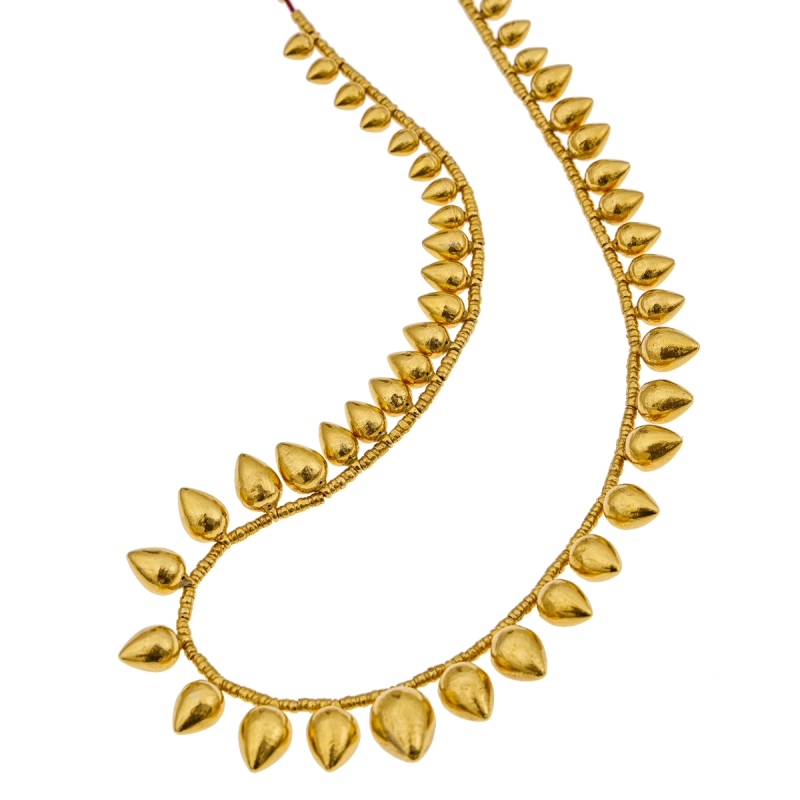


Some examples of the ‘Jewels of Troy’ sold at the Istanbul Archeological Museum Shop
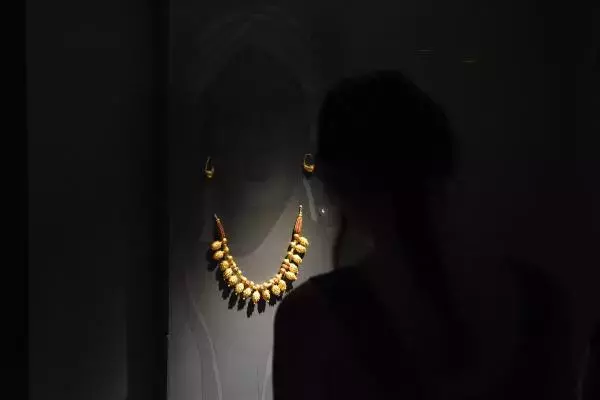
Original necklace from the Troy Jewels that made it home after 140 years at the Troy Museum in Çanakkale
You can also see the collection at https://www.muzedenal.com/truva-koleksiyonu.