
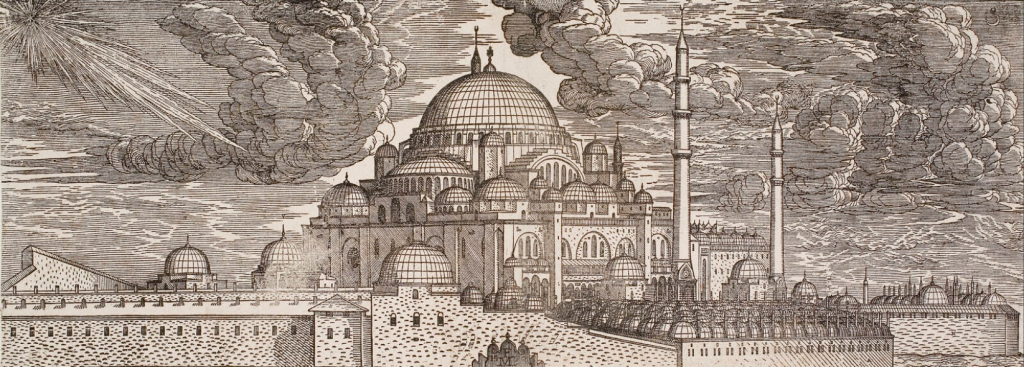
In the middle of the sixteenth century, Istanbul was the commanding center of a vast empire. Under Suleiman the Magnicifient, the city projected legal authority, military strength, and ceremonial splendor. Its skyline, shaped in part by the architectural genius of Mimar Sinan, embodied imperial confidence. Into this world stepped Melchior Lorck, a Danish artist attached to the Habsburg diplomatic mission.
Lorck’s presence in Istanbul was not accidental. He accompanied the imperial ambassador at a time of tense negotiations between the Ottoman and Habsburg courts. Diplomacy in this period required careful observation. Courts studied one another’s rituals, armies, hierarchies, and symbols. An artist capable of recording these details with accuracy was a valuable asset.
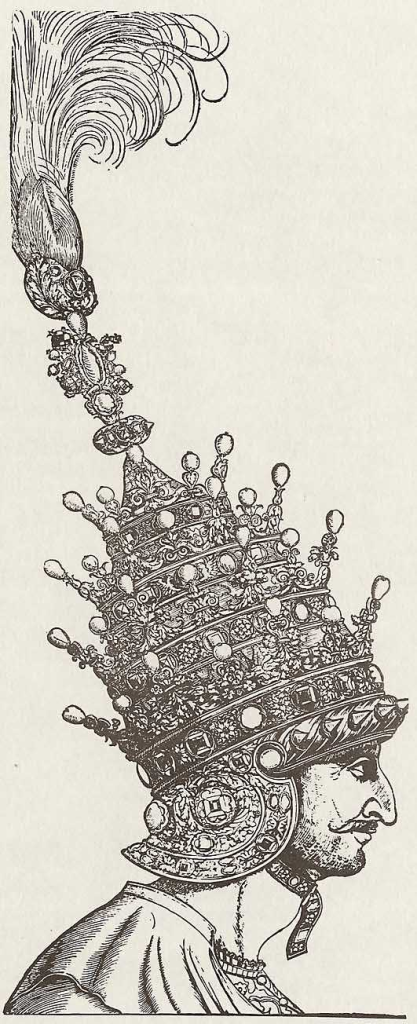
Suleiman the Magnificent
What Lorck produced was extraordinary. His engravings offer meticulous studies of Ottoman soldiers, officials, and courtly figures. They are composed with clarity and restraint. Rather than dramatizing scenes, he isolates individuals, emphasizing costume, posture, and rank. The effect is analytical. His images read almost like visual documents.
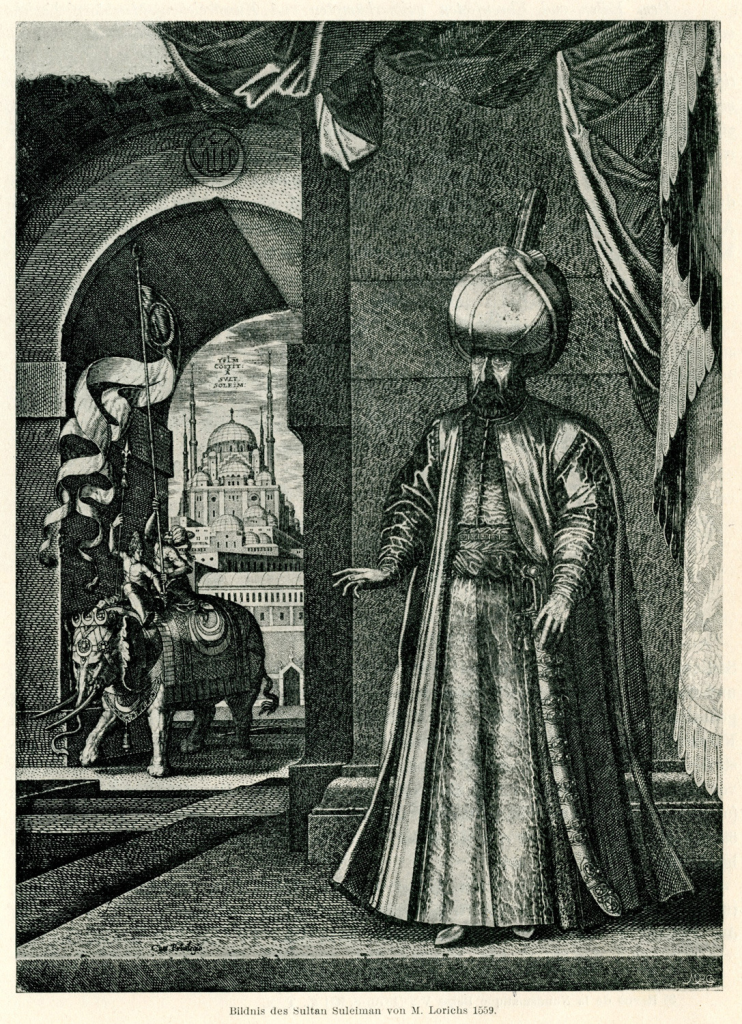
Suleiman the Magnificent
This precision raises a persistent question. Was Lorck simply an attentive artist, or did his work also serve intelligence purposes? In the sixteenth century, such roles were not mutually exclusive. Information gathered through observation—about military organization, ceremonial order, or social structure—was politically significant. To record was to know, and to know was to hold power.
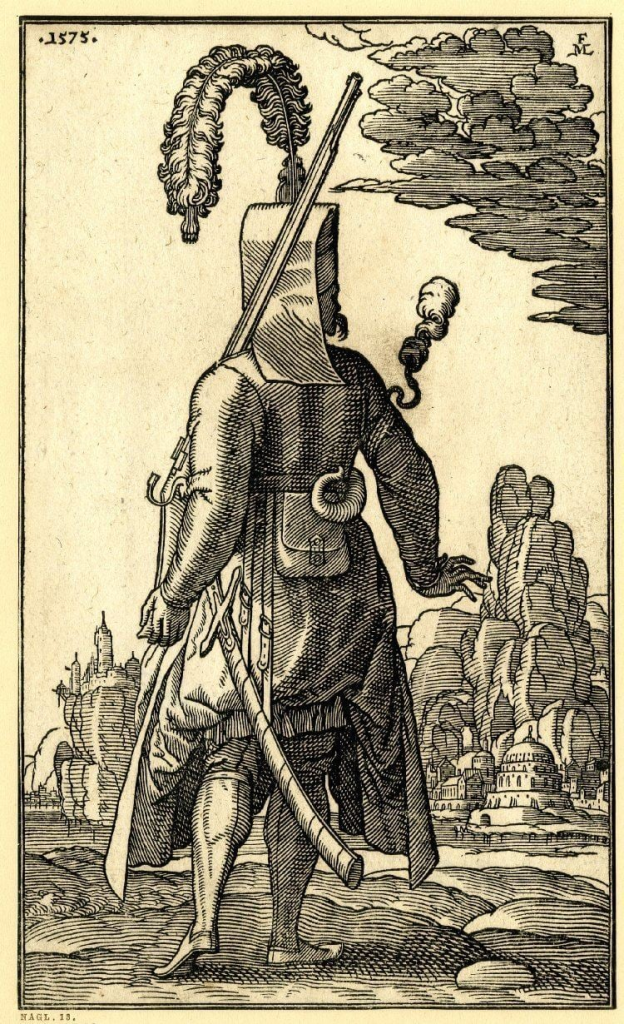
An Ottoman soldier
No definitive evidence identifies Lorck as a spy. Yet his drawings circulated widely in Europe and helped shape the Western understanding of the Ottoman world at a moment of rivalry and competition. Whether consciously or not, he translated Ottoman imperial presence into a European visual archive.
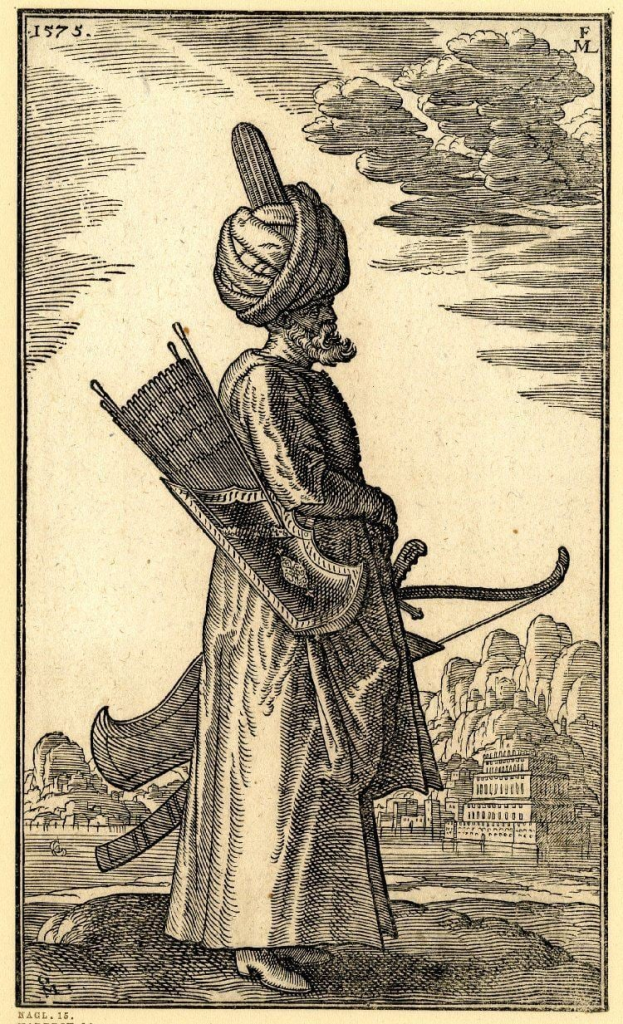
An Ottoman soldier
Lorck’s legacy lies in this intersection of art and politics. His images remain among the most detailed visual testimonies of Suleiman the Magnicifient’s Istanbul. They remind us that representation, especially in an age of empire, is never entirely neutral.
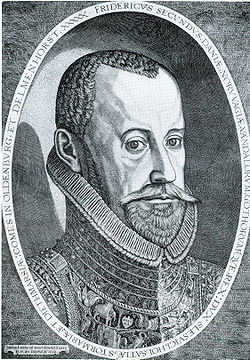
Melchior Lorck (1575-1583)