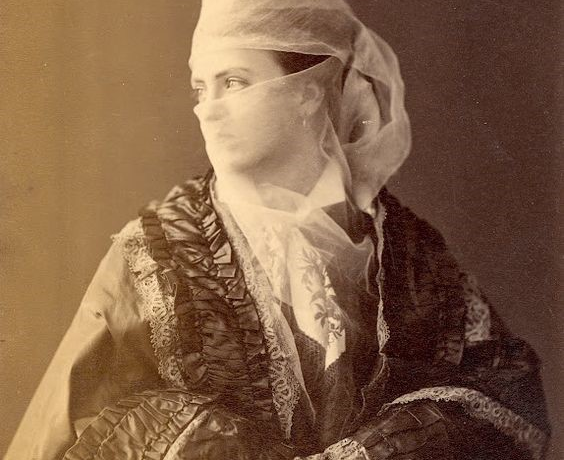

The Tokatlıyan Hotel, a prominent establishment in Istanbul’s Beyoğlu district, holds a significant place in the city’s history, particularly in relation to the legendary Orient Express. Situated on the bustling Istiklal Street, the hotel was a luxurious haven for travelers arriving in the city via the Orient Express, the iconic train that connected Western Europe to Istanbul.
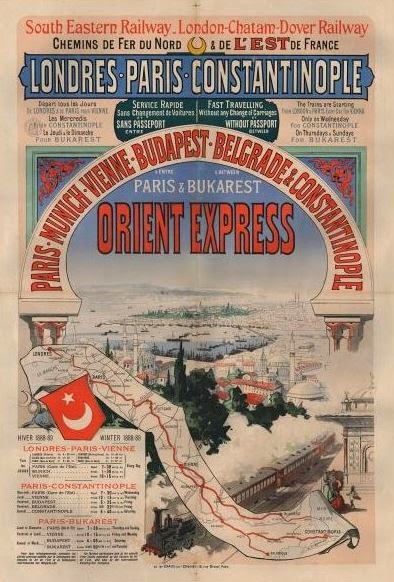
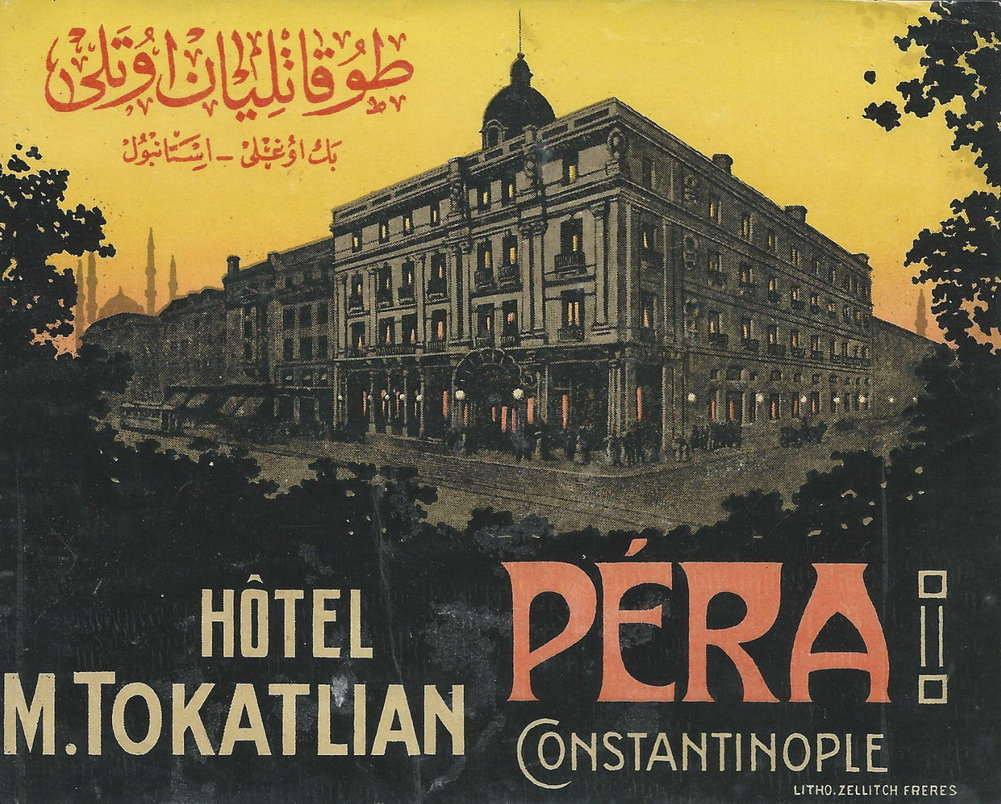
Opened in 1897 by Mıgırdiç Tokatlıyan, an Armenian entrepreneur from Tokat, the hotel was designed by the renowned architect Alexandre Vallaury. With its European-style architecture and opulent interiors, the Tokatlıyan Hotel quickly became a preferred destination for the elite, rivaling the famous Pera Palace Hotel. Its strategic location near the Sirkeci Train Station made it a convenient choice for passengers disembarking from the Orient Express.
The hotel’s prominence extended beyond its architectural grandeur. The hotel was a frequented by notable figures such as Mustafa Kemal Atatürk and Leon Trotsky.
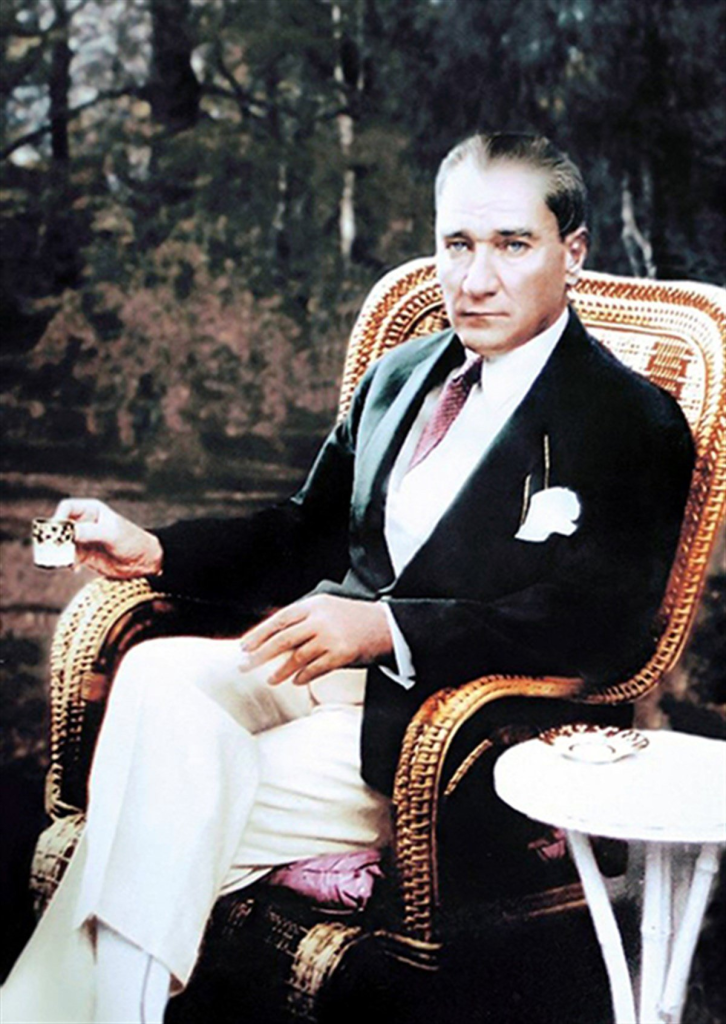
Mustafa Kemal Atatürk
It served as a cultural hub, hosting elegant balls and gatherings that attracted Europe’s high society. These events not only showcased the hotel’s luxurious offerings but also contributed to Istanbul’s reputation as a cosmopolitan city at the crossroads of Europe and Asia.

Legendery Hercule Poirot
In literature, the Tokatlıyan Hotel is immortalized in Agatha Christie’s works. In Murder on the Orient Express, the detective Hercule Poirot stays at the Tokatlıyan Hotel after arriving in Istanbul.
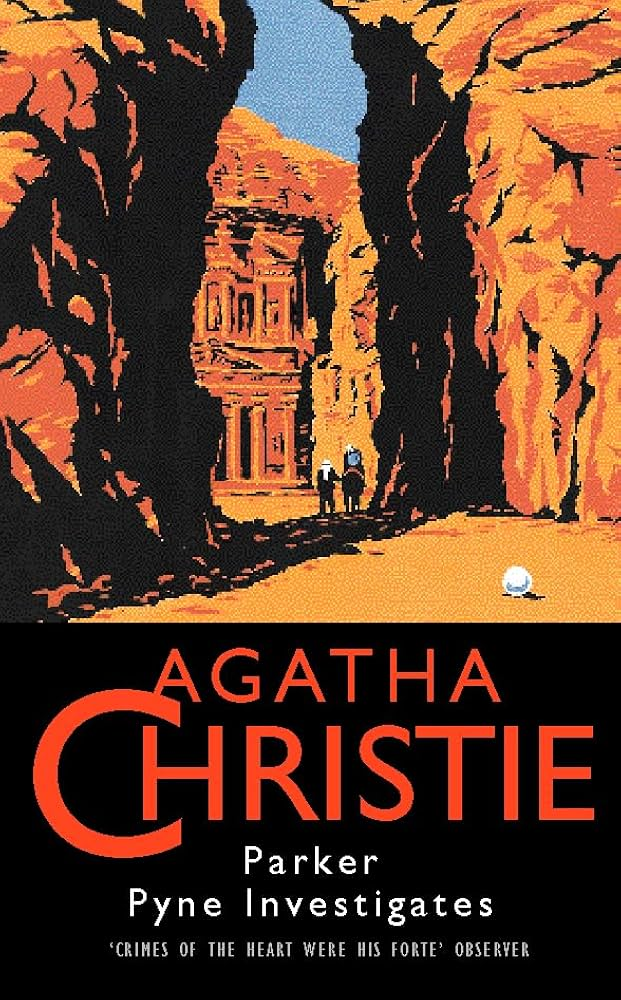
Similarly, in Parker Pyne Investigates, the hotel is mentioned as a meeting place.
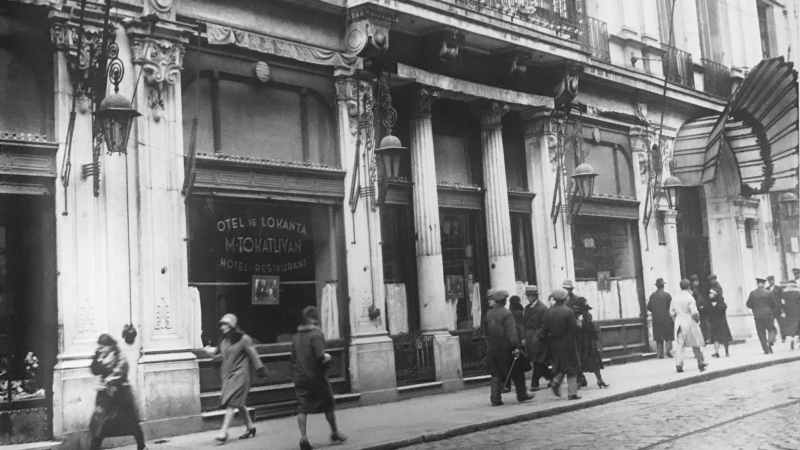
The Tokatlıyan Hotel in Beyoğlu, Istanbul, ceased operations in the 1950s due to neglect and declining popularity. However, by the 1950s, the building had fallen into disrepair. In 1950s, the Üç Horan Armenian Church acquired the property and repurposed the space into a business center.
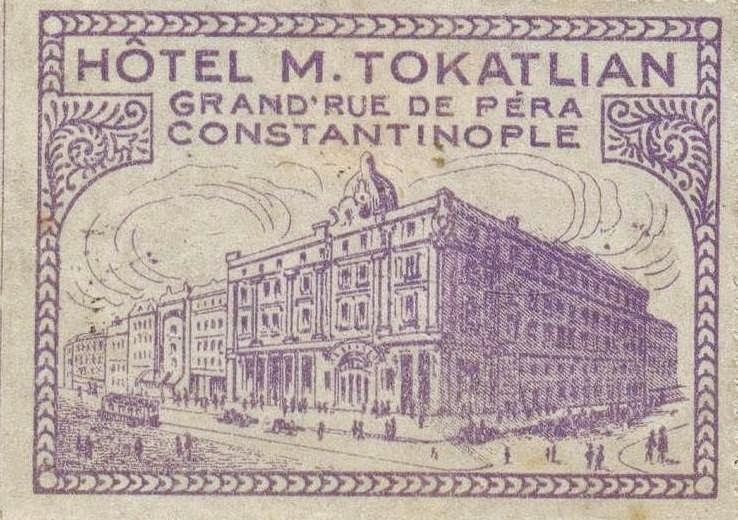
Today, while the Tokatlıyan Hotel no longer operates as a hotel, its legacy endures. The building stands as a testament to Istanbul’s rich cultural and architectural heritage, reflecting the city’s historical significance as a nexus of East and West but also a reminder of bygone era of opulence, grandeur and elegance!
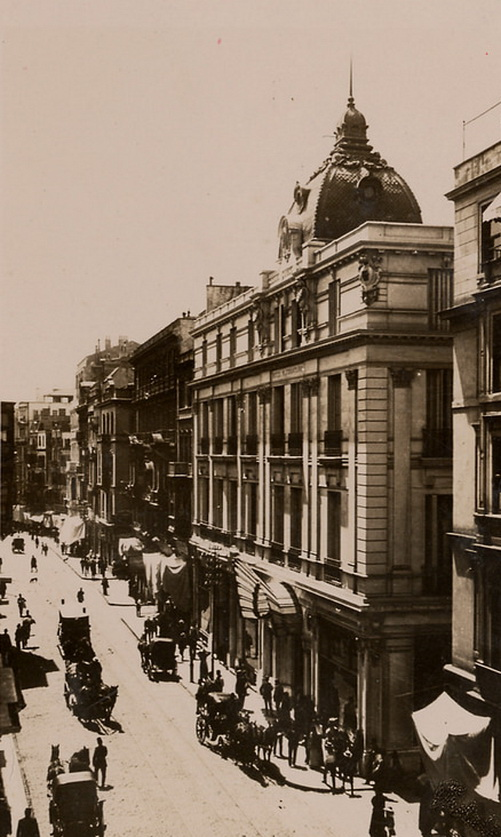
I hope that this beautiful building gets a chance to return to its original grandeur and opulence after decades of neglect and decline!
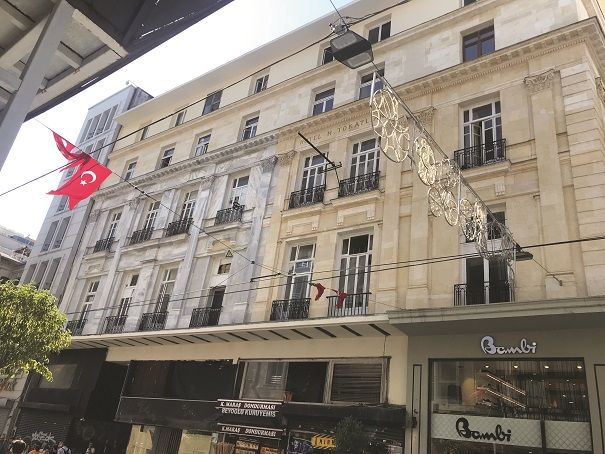
Tokatlıyan Han, today. Note that the majestic dome no longer exists.