
Turkish culture is an ‘oral culture’ in the Freudian sense. Turks love to eat, chat and smoke! In a culture where hospitality is key, Turks love to cook and serve food to their guests and families almost always gather round the table enjoying a wide range of home made dishes. And Turkish cuisine culture is extremely rich.
We know that some of Istanbul dishes have a long tradition in the Ottoman court. They are essentially the dishes prepared specially for the Sultan and that have passed on from the palace kitchens to the homes of ordinary people.
If you are interested in Ottoman culinary tradition, you can visit the recently renovated kitchens of Topkapı Palace which was the first palace of the Ottomans after they conquered Constantinople in the 15th century.
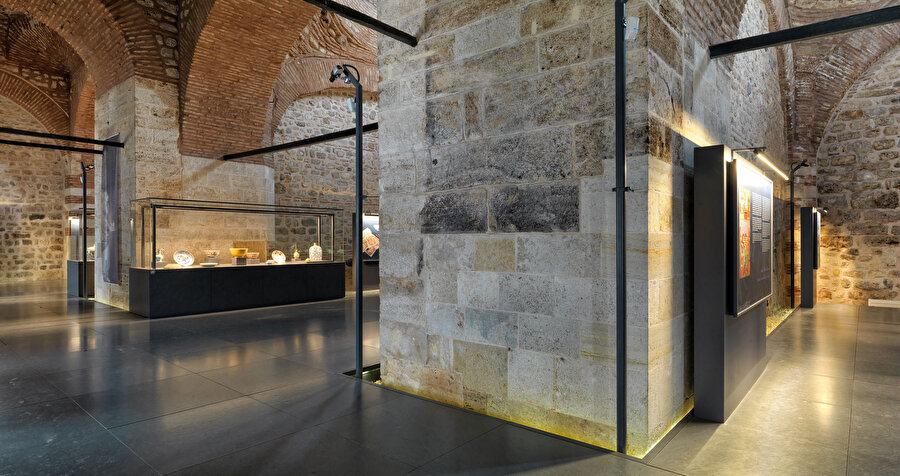
Kitchen section in Topkapı Palace
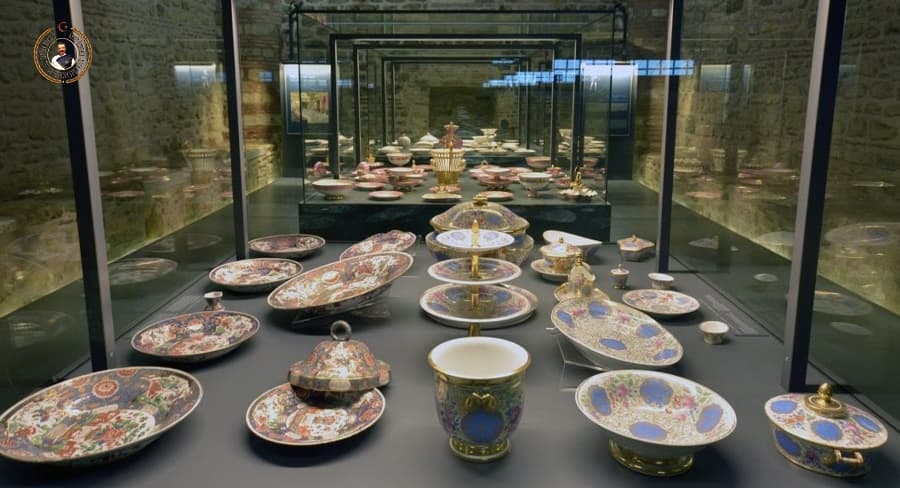
Topkapı Palace Kitchens also hosts the wide range of porcelain used to serve the Sultan’s family and Court guests
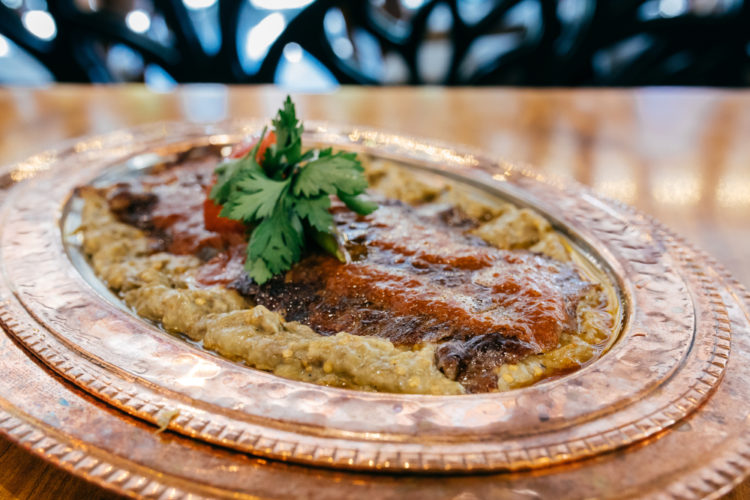
Hünkar Beğendi
Hünkar beğendi for example literally means ‘Sultan liked it’ referring to an incident in Turkish history in which the Sultan of the era simply loved this special cuisine especially prepared for the first time for him and his royal guests from France. Some culinary historians say that the recipe was a co-creation of French and Turkish cooks.
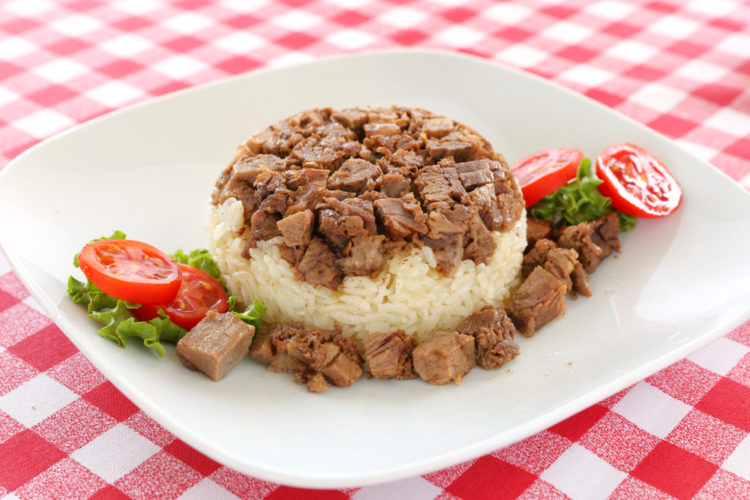
Rice was also cooked frequently in the Ottoman court especially with meat and vegetables.
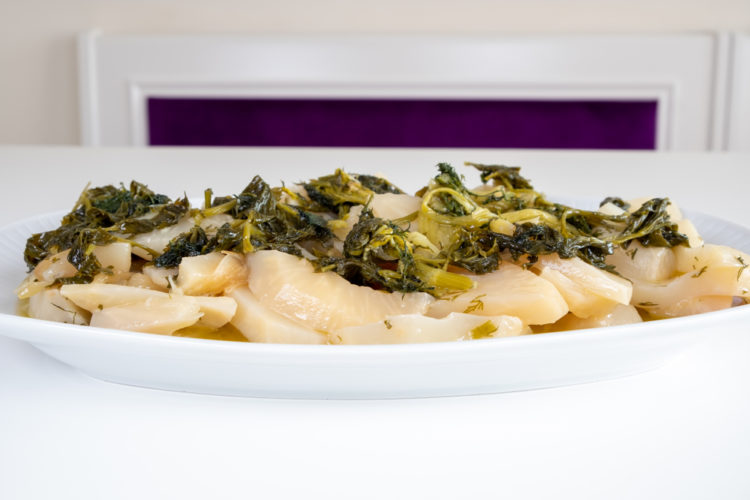
Celery with Olive Oil was another favourite cuisine of the Sultans.
Ottoman court also learnt about the culinary cultures of their friends and enemies and made it their own. Mantı for example was a very favourite dish of the Sultans that is still with us today. Ottomans had learnt about Mantı from the Chinese in the 13th century but started cooking it in their unique way. You can find hundreds, even thousands of mantı restaurants in İstanbul today.
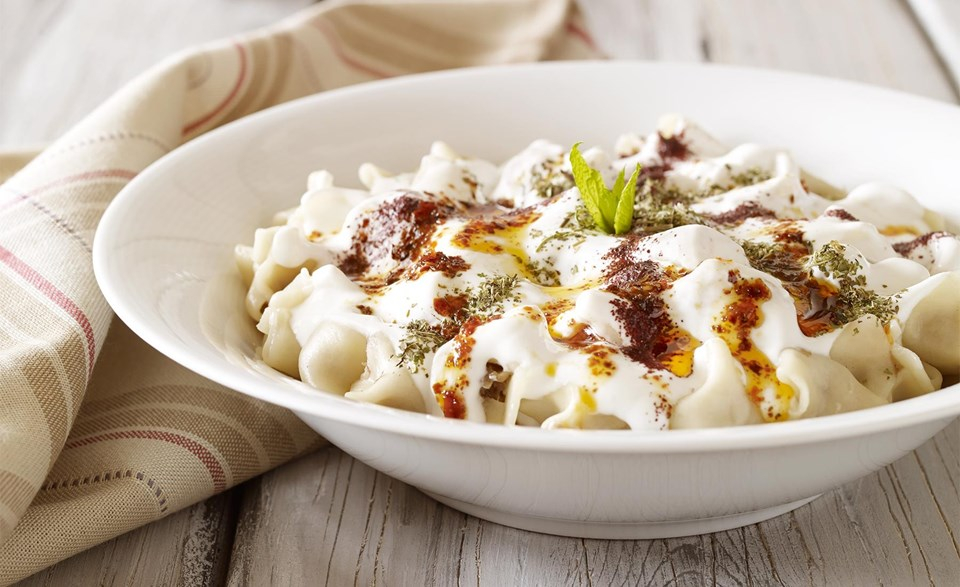
Mantı
Ottoman Sultans enjoyed their cuisine with rich herbs. That can explain the reason why Istanbul has a huge bazaar dedicated to spices brought from Syria and Egypt from the 17th century. The Bazaar is still with us today and is a favourite spot for locals and tourists alike.
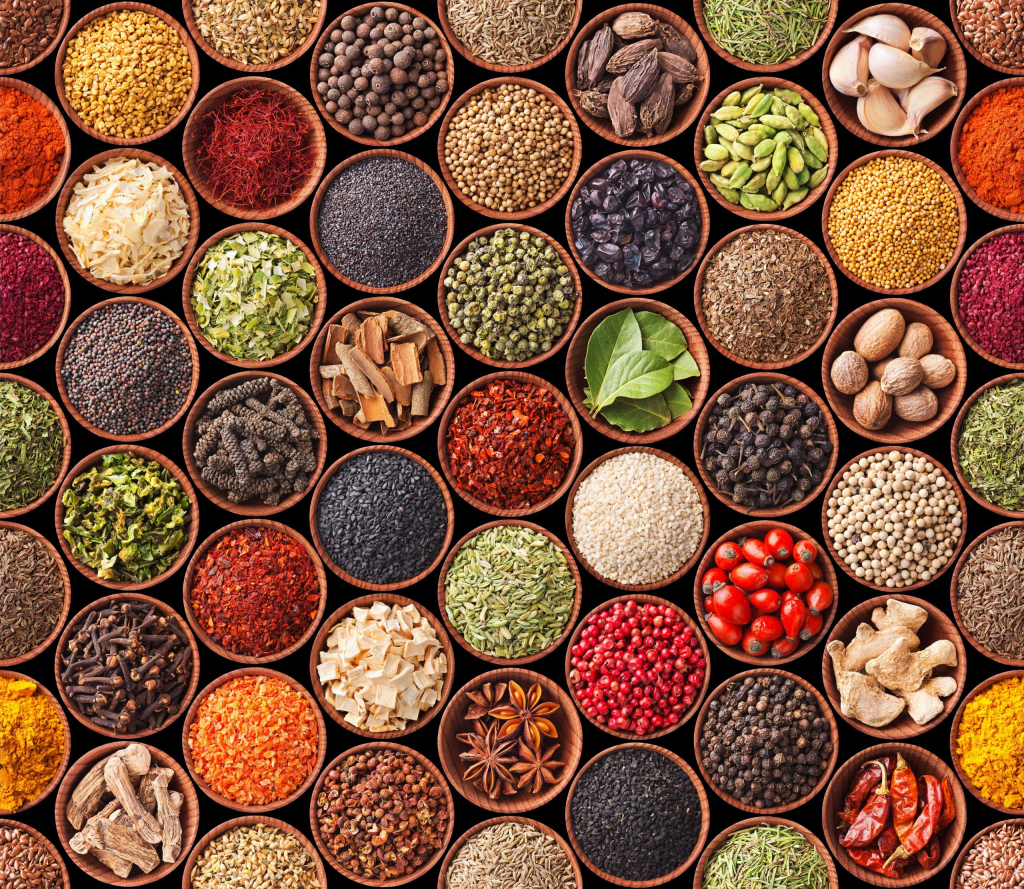
Wide range of spices that can be found in the Spice Market in Eminönü. The Spice Bazaar was built in the 1655
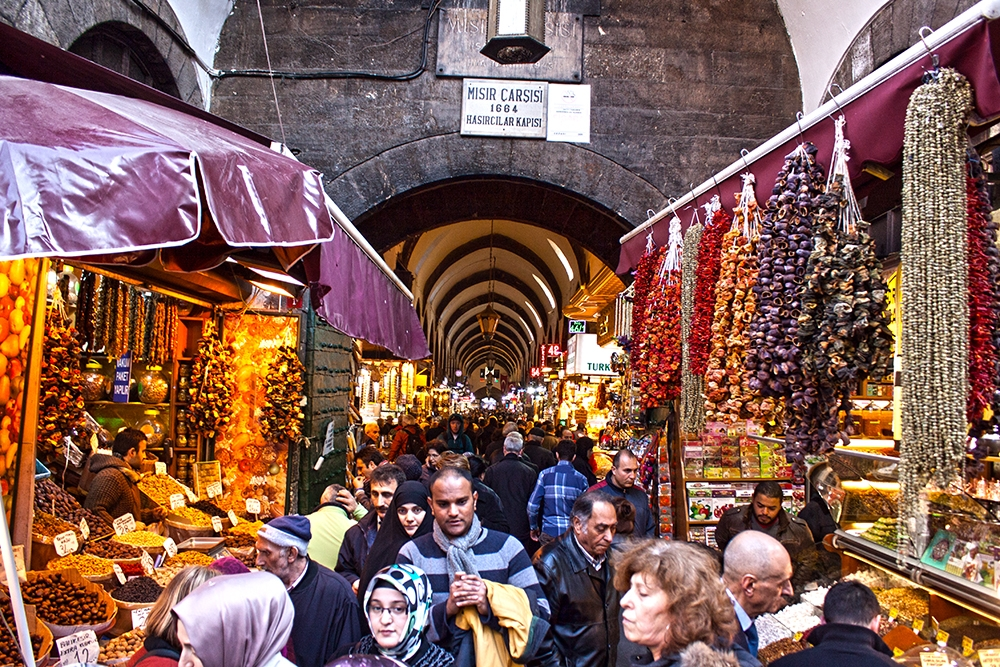
One of the entrances of the Spice Market where thousands rush for shopping each day. This market has been serving İstanbulites for the last 350 years
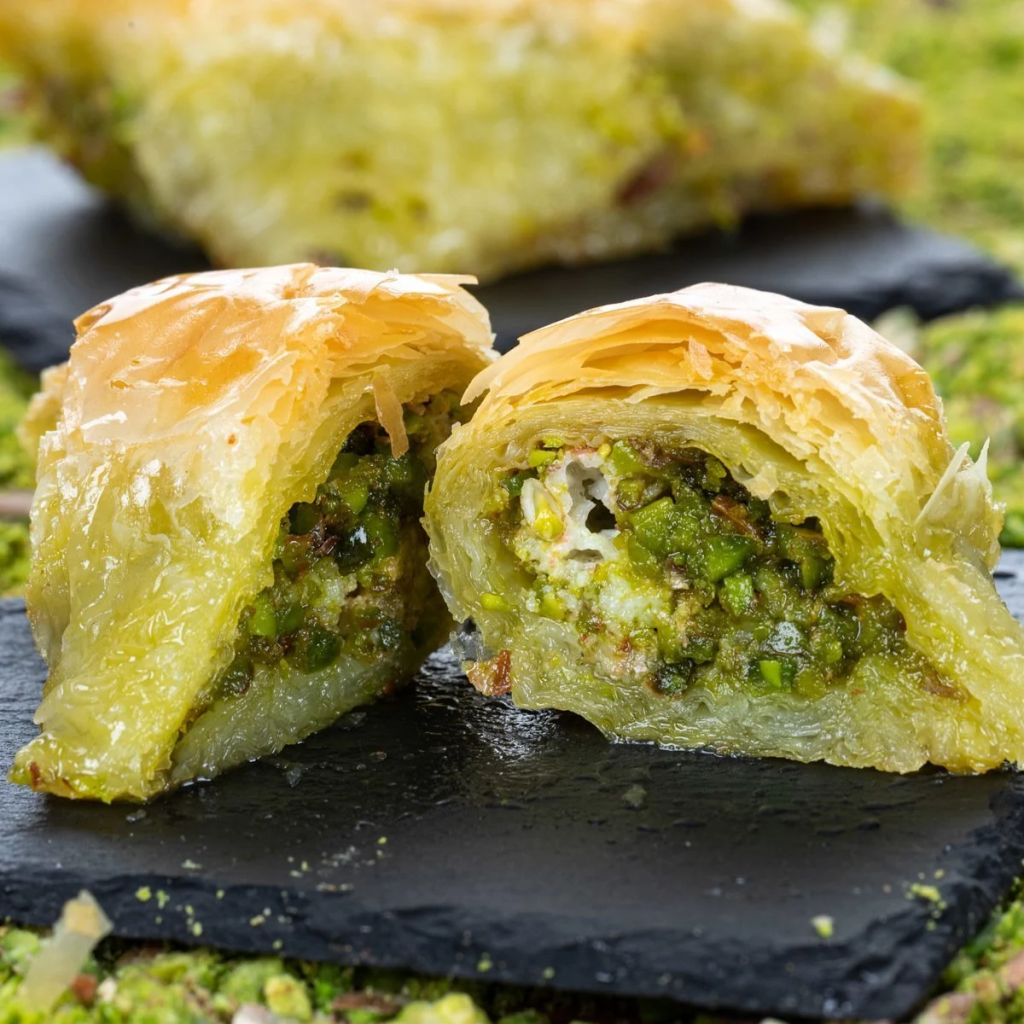
Şöbiyet
Zerde
Ottoman court also enjoyed a range of Turkish deserts which are still with us today such as Şöbiyet, keşkül, helva, zerde and revani.
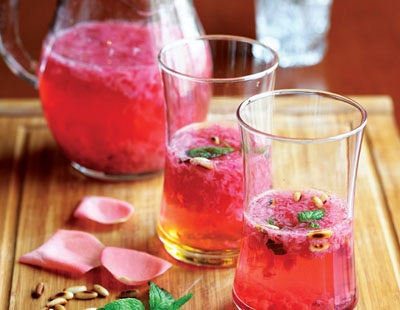
Sultans also enjoyed a wide range of sherbets that are still with us today. The sherbets were made from a wide range of fruits such as cherry and rose to pomegranate.
Note that apart from enjoying their dishes immensely, Ottoman Sultans were also afraid of being poisoned so each one of them had a ‘taster’ that tasted their food before they ate it in case it was poisonous.
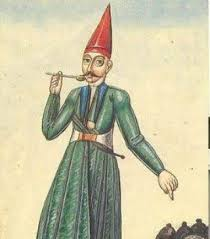
A figure of an Ottoman taster in the Ottoman Court
Ramadan has always been the festive season where İstanbulites are fascinated with their cuisine and do the best to serve their families and guests and Ottoman Sultans were no exception.
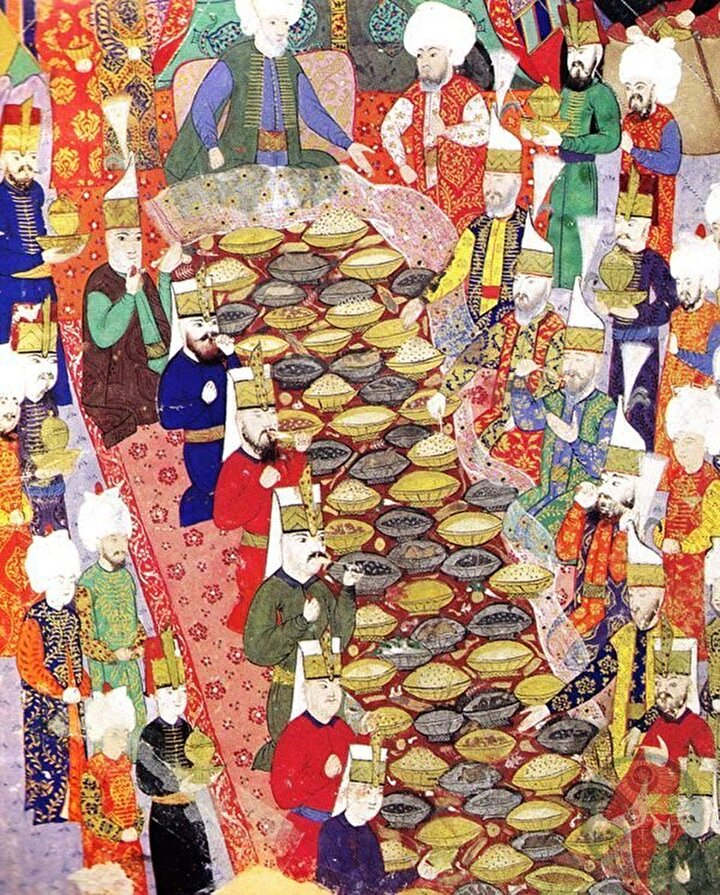
An Ottoman miniature depicting the abundance of food on the Sultan’s table during Ramadan
If you want to learn about the Ottoman cuisine, read Priscilla Mary’s Bountiful Empire in which she discovers the roots of Ottoman cuisine from the Ottoman Court to the multiple ethnic traditions in the Empire.

And check this interesting video on Wierd History to learn more about the ‘Sultan’s Kitchen’!