
Hagia Sophia
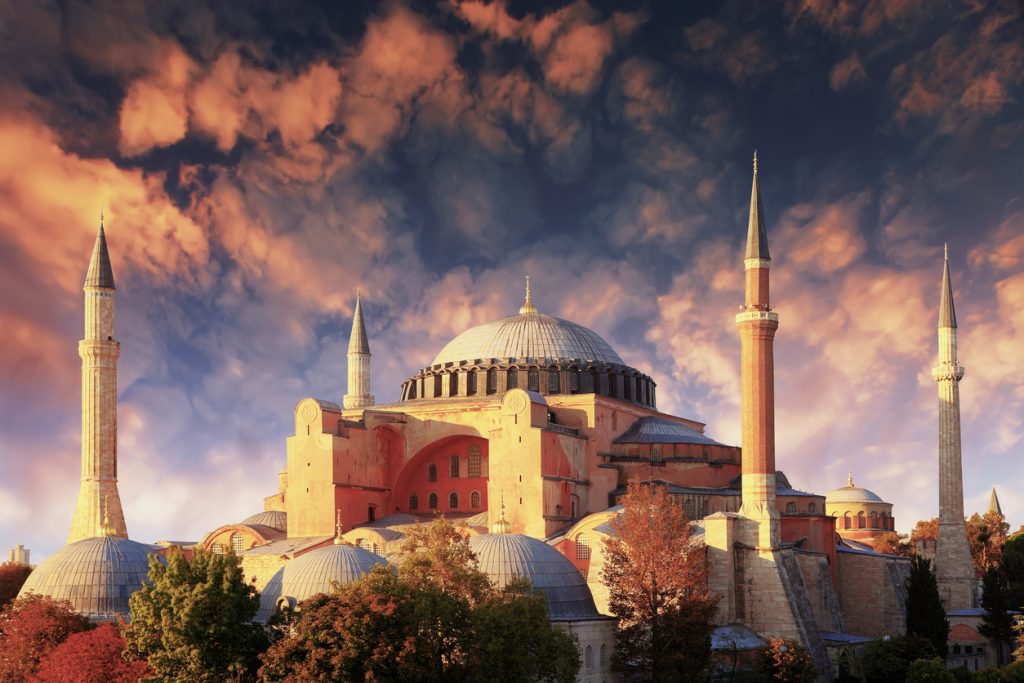
When Turks came to conquer Constantinople in 1453, the city was in ruins. Fatih Sultan Mehmet the Conqueror was horrified to see the condition of the city he and his ancestors had fantasized of conquering for decades. Here was a poor city with most Byzantine palaces, monuments and churches in dire conditions. There was only one building standing erect and dignified and that was the Hagia Sophia that could stand the test of time for a 1000 years. Fatih Sultan Mehmet had great respect for the legacy of the Byzantine Empire and preserved both the name and the Cathedral itself with all its frescos and mosaics. He changed the function of the building with all its preserved elements into a Mosque for Muslims. We know from art historians that Ottomans did not initially cover the Christian mosaics and frescos for centuries and lived in harmony with all the Christian elements in Hagia Sophia but all frescos and mosaics were covered with plaster throughout time until 1931 when Ataturk – founder of the Turkish Republic- decided to turn Hagia Sophia into a Museum. A museum that could be visited by Christians as well as Muslims. A museum that was a ‘gift’ to humanity.
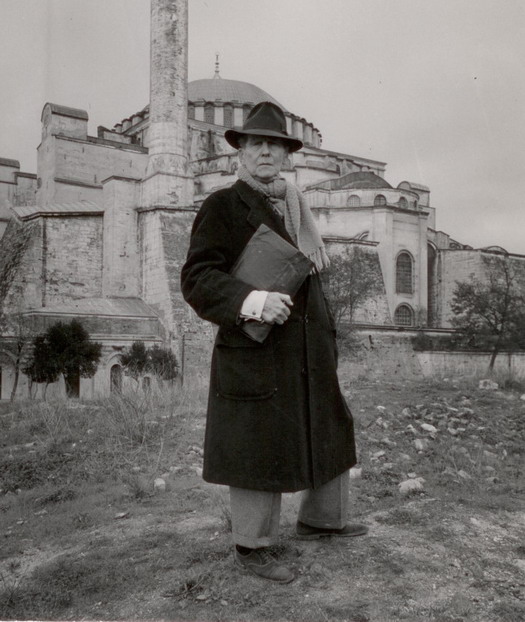
Thomas Whittemore (1871-1950)
At that point, Ataturk invited Thomas Whittemore to Istanbul in order to uncover the original beauty of Hagia Sophia. Whittemore is the man whom we owe all the beautiful mosaics and frescos of Hagia Sophia that had been uncovered after hundreds of years. He was a professor of English with passion for archeology, culture and art preservation as well as the founder of the Byzantine Institute of America.
“Santa Sophia was a mosque the day that I talked to [Atatürk]. The next morning, when I went to the mosque, there was a sign on the door written in Atatürk’s own hand. It said: ‘The museum is closed for repairs,’” Whittemore once said.
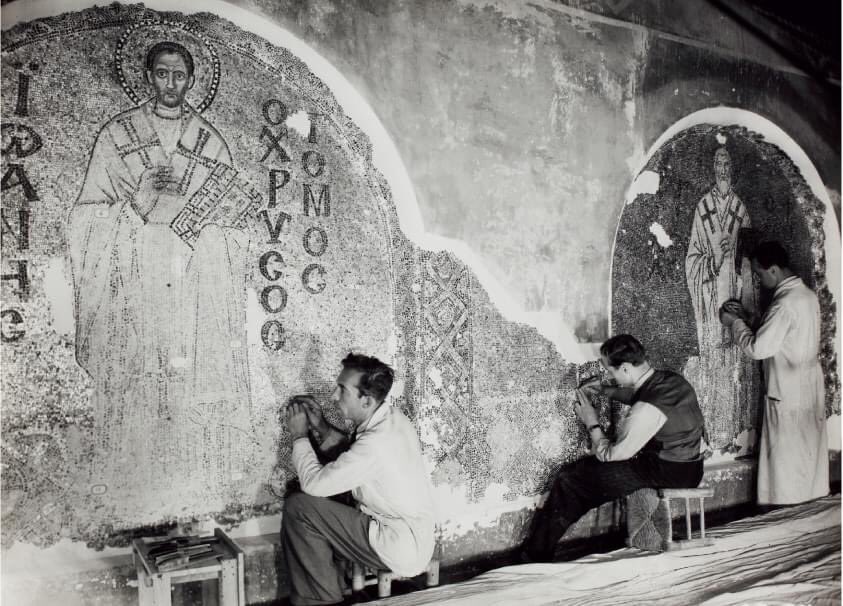
Thomas Whittemore’s team working on Hagia Sophia mosaics – 1930s
His restoration project lasted for over a decade till 1940s but Hagia Sophia opened as a Museum in 1935, just three years before Ataturk passed away.
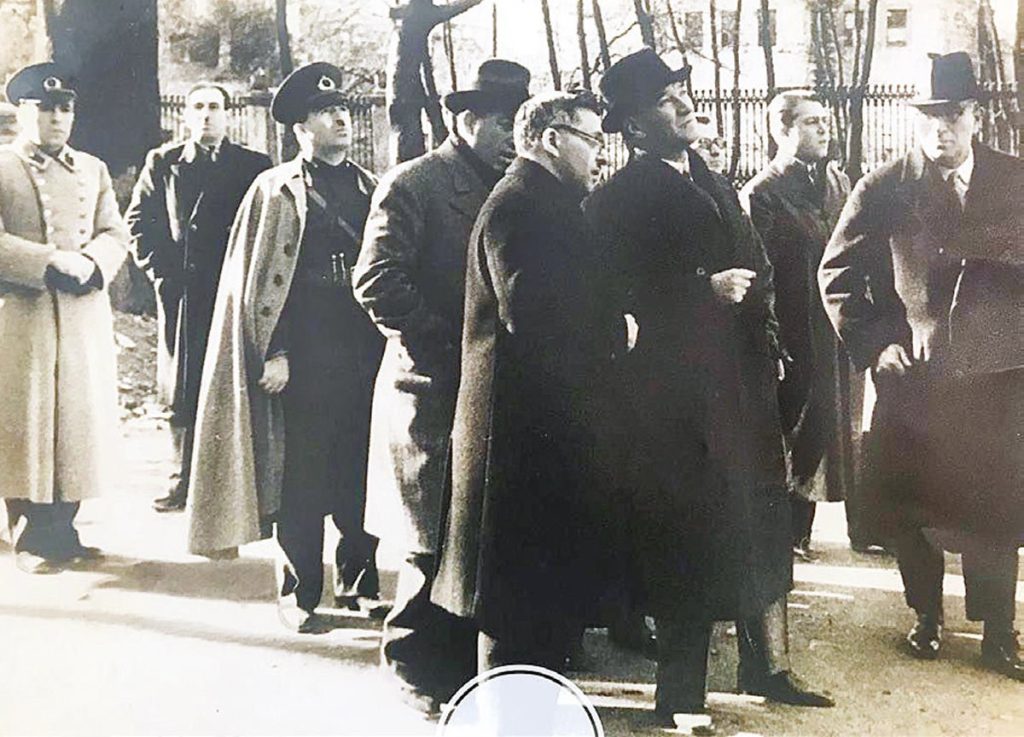
Ataturk visiting Hagia Sophia on the 6th of February, 1935 just 5 days after it was opened
Before Hagia Sophia was turned into a Mosque in 2020, one could walk inside the majestic Hagia Sophia surrounded by ancient frescos and mosaics uncovered by Whittemore and his team of experts. Walking through the aisles, looking up to the dome, climbing up to the upper chamber. observing the walls with all its intricate details was enough to see the ancient beauties uncovered by this group of passionate experts in the 1930s.

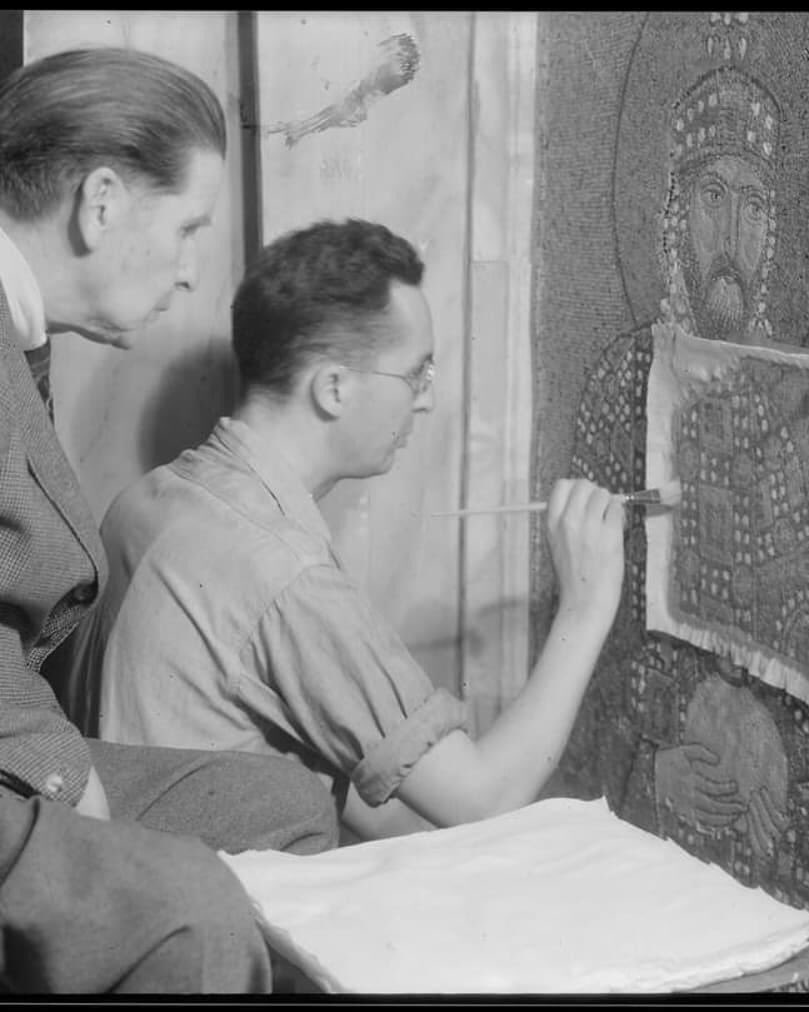
Thomas Whittemore’s team working on Hagia Sophia mosaics – 1930s
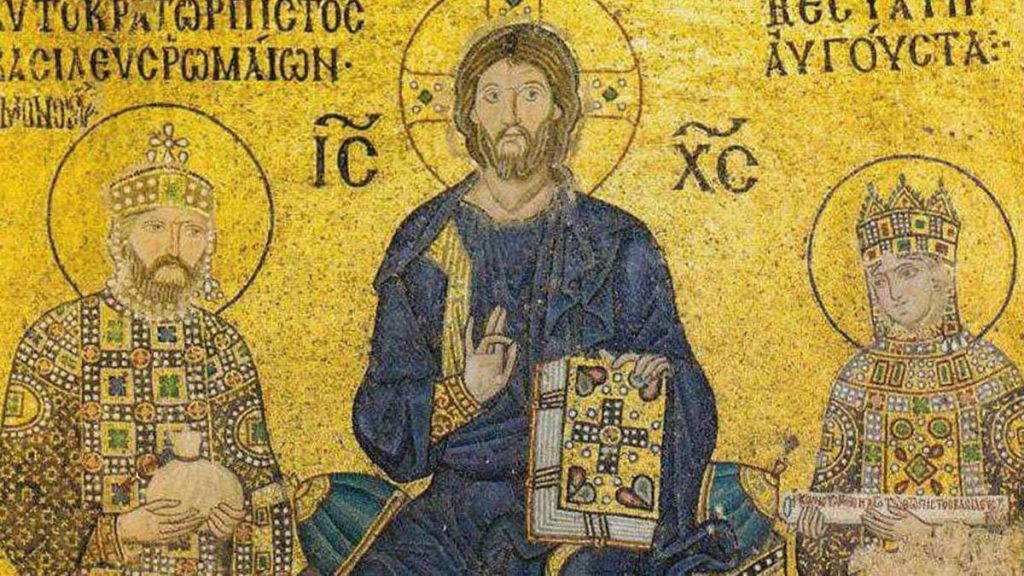
This is the current condition of the mosaic the team is working on in the above photo in the 1930s but unfortunately it can not be seen because it is located in the upper chamber which is currently closed
Now, the tide has turned and majestic Hagia Sophia has been turned into a mosque which means that many frescos and mosaics are covered with pieces of cloth rendering them invisible. The upper chamber which hosts a range of beautiful mosaics are closed. The floor is fully covered with a carpet. The whole beauty of Hagia Sophia is veiled once again.
We will have to wait till the ‘tide turns’ again to restore Hagia Sophia back to its ancient glory as Ataturk had envisioned.
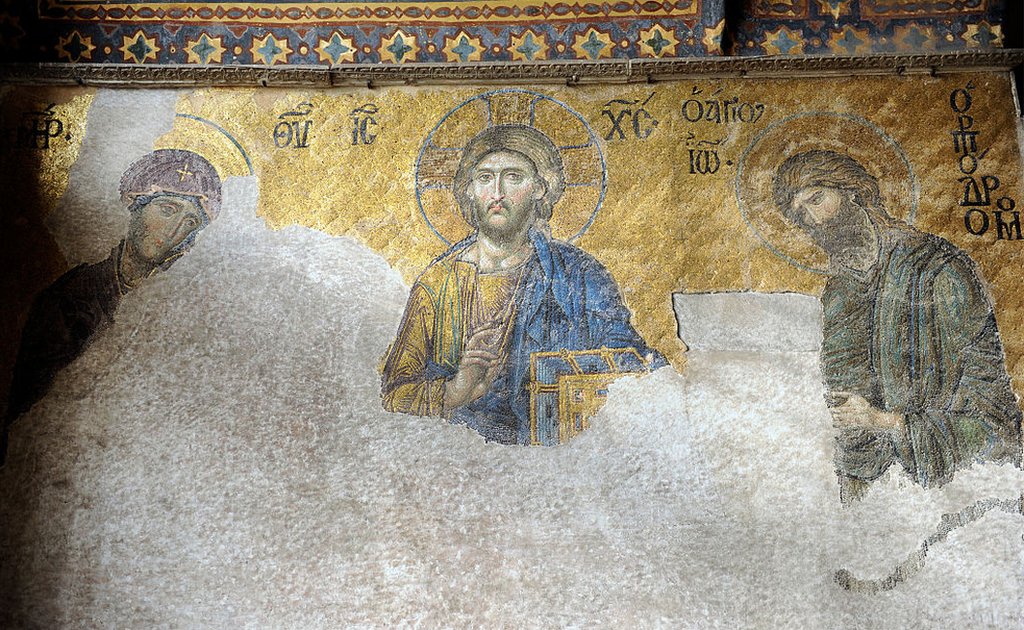
Another mosaic that can not be seen because it is located on the upper chamber currently closed to visitors