
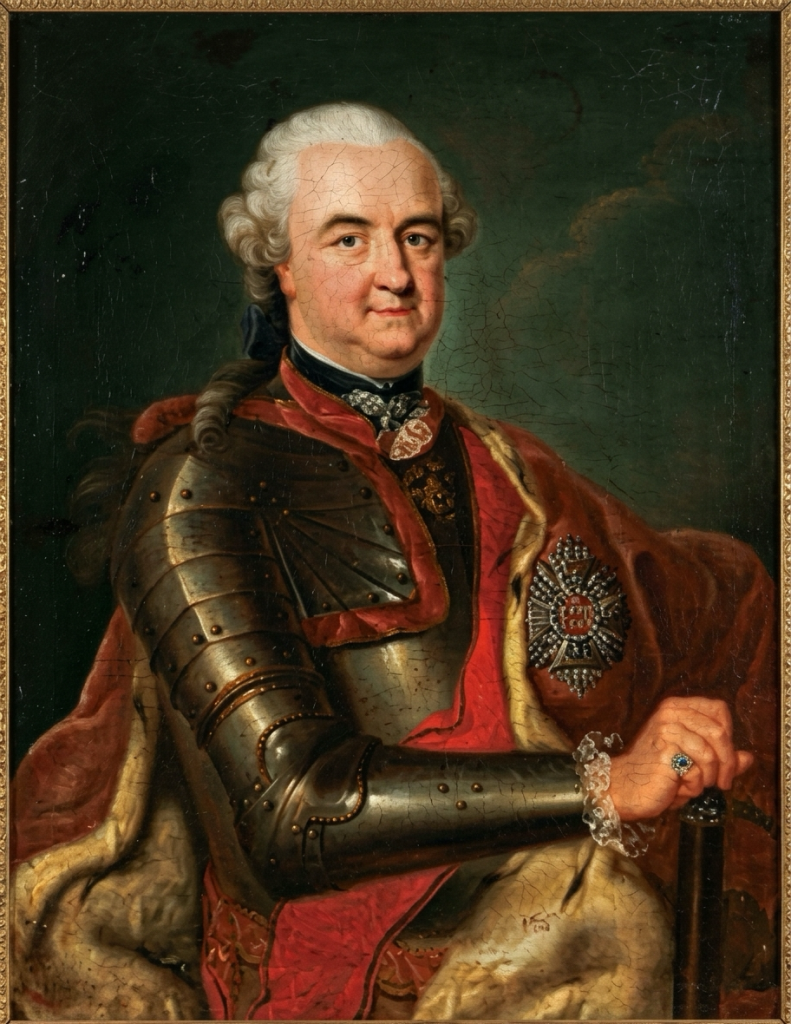
Claude Alexandre, Comte de Bonneval
Imagine a French aristocrat who becomes an Austrian general, falls out with European royalty, converts to Islam, enters the service of the Ottoman Sultan, helps reform the imperial artillery, and ends up entertaining Giacomo Casanova over glasses of Burgundy wine in Ottoman Istanbul.
It sounds like the plot of an elaborate historical novel. Yet Claude Alexandre, Comte de Bonneval (1675–1747), was very much a real man. And his life was considerably more entertaining than his military title might suggest.
From the French Court to the Battlefield
Born on 14 July 1675 into an old aristocratic family in Limousin, France, Bonneval was destined for a military career. He entered the French Royal Navy at the age of thirteen, under the patronage of his relative, the celebrated Admiral and Marshal Anne Hilarion de Tourville.
He later transferred to the army, where he distinguished himself in the European wars of the early eighteenth century, including the War of the Spanish Succession.
However, military success did not necessarily translate into diplomatic wisdom. Bonneval possessed an exceptionally volatile temperament and a talent for making powerful enemies.
In 1704-1706, after falling out with the court of Louis XIV, he was dismissed from French service. Rather than accept his disgrace, he fled France and sought refuge in the very country against which he had previously fought: the Habsburg Empire.
A New Allegiance, An Old Enemy
Bonneval entered the Austrian imperial army and became a close associate of Prince Eugene of Savoy, one of the most celebrated military commanders of his age.
For nearly two decades, he served the Habsburgs with distinction, rising to the rank of general. Ironically, he even fought against his native France at the Battle of Malplaquet in 1709, where he was wounded. He would later fight against the Ottoman Empire at the Battle of Peterwardein in 1716.
But history had another surprise in store.
His relationship with Prince Eugene eventually deteriorated. Following a bitter dispute with Marquis de Prié, Prince Eugene’s chief administrative representative in the Austrian Netherlands, who effectively governed the region in his absence, Bonneval was court-martialled, sentenced to death, and ultimately had his sentence commuted to imprisonment and exile.
By the mid-1720s, his European military career appeared to be in ruins. Venice offered no lasting solution. France was no longer a welcoming home. His former Austrian patrons had become his enemies. And so, in 1729, Bonneval made a rather extraordinary proposition: he offered his military services to the Ottoman Sultan.
Becoming Humbaracı Ahmed Pasha
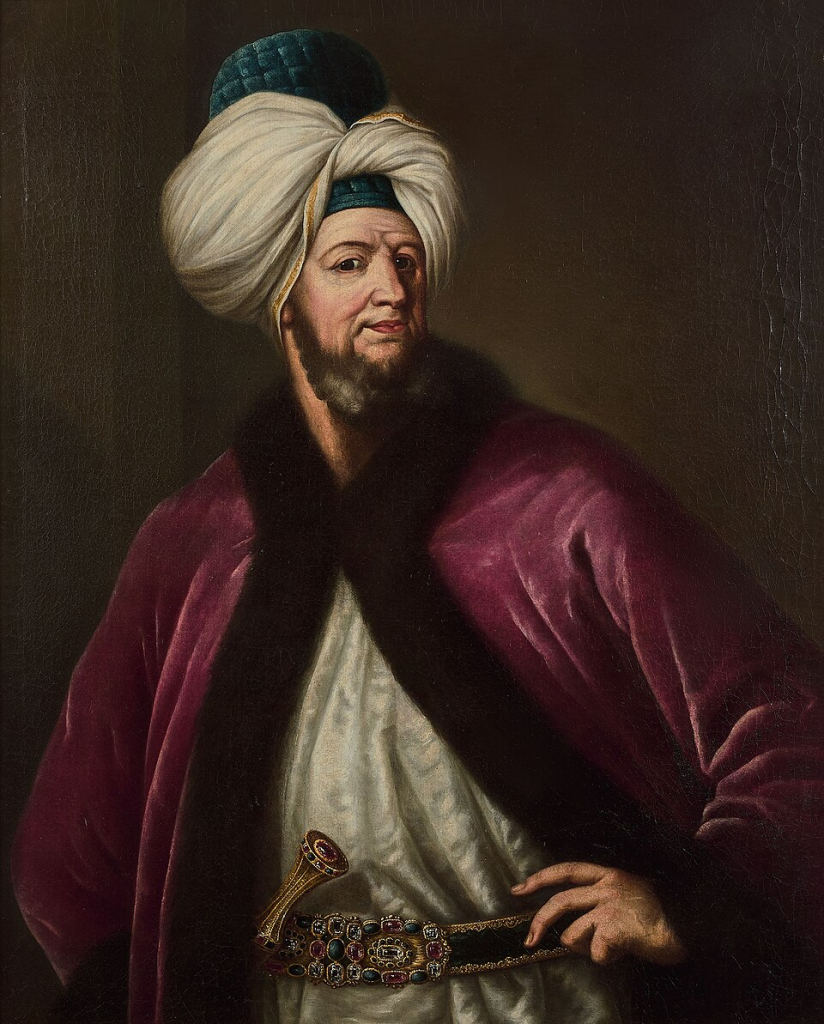
Humbaracı Ahmed Pasha
At the time, the Ottoman Empire was increasingly aware of the military and technological gap separating it from European powers. The court was looking for foreign expertise, particularly in artillery and military engineering.
There was, however, a religious and political obstacle. The Ottoman authorities were reluctant to place a Christian foreigner in such a position of responsibility. Bonneval converted to Islam, adopted the name Ahmed, and eventually became known as Humbaracı Ahmed Pasha.
Under Sultan Mahmud I, and with the support of Grand Vizier Topal Osman Pasha, he was entrusted with reorganising the Humbaracı Corps — the Ottoman bombardier and explosive-artillery units. He introduced European methods of military training, helped establish new facilities in Üsküdar, and contributed to the development of military mathematics and engineering education. His reform programme also included proposals for a much broader restructuring of the Ottoman military.
His influence was considerable, although his ambitions were often frustrated by institutional resistance, particularly from the Janissaries and competing political factions at court. He had crossed religious, cultural and political boundaries, but had not escaped the intrigues of power.
A Frenchman in Ottoman Istanbul
Yet perhaps the most fascinating aspect of Bonneval’s life was the curious combination of identities he retained. Despite becoming a Muslim pasha in the service of the Sultan, he did not abandon his European upbringing or aristocratic habits. He maintained a household organised along French lines, employed French cooks and servants, entertained European visitors, and continued to move comfortably within the diplomatic and intellectual circles of Istanbul.
He was, in many respects, a European gentleman living an Ottoman political life. And then came an unexpected visitor.
Giacomo Casanova and the Wine Cellar
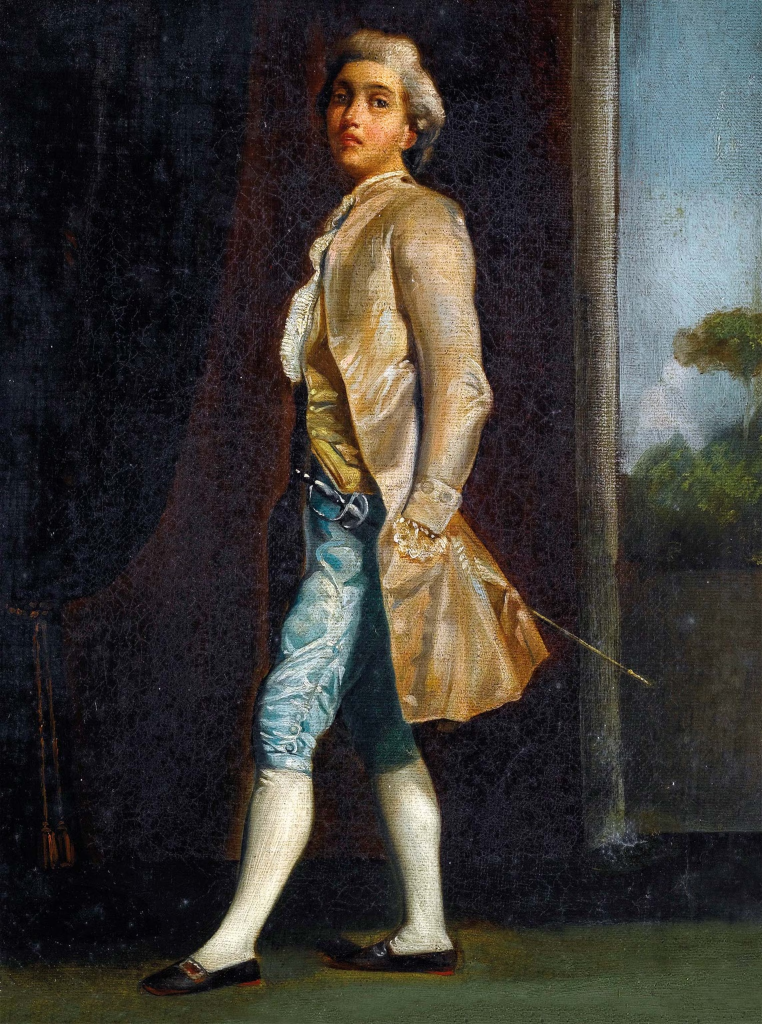
Giacomo Casanova
In 1745, the twenty-year-old Venetian adventurer Giacomo Casanova visited Constantinople. Armed with a letter of introduction from Cardinal Acquaviva, he arranged to meet Bonneval, by then an established Ottoman dignitary.
Casanova’s account of their encounter, recorded in his memoirs, is one of the most delightful glimpses into Bonneval’s private world. He describes an elderly gentleman dressed in French fashion, welcoming him into a ground-floor apartment furnished in the European style. Bonneval then offered to show his visitor his library. Casanova followed him into the garden and entered a room containing cupboards with grated doors. Expecting to find books, he watched as Bonneval produced a key and opened one of them. Instead of books, Casanova discovered rows upon rows of bottles of fine wine. The Pasha laughed and explained that this was his library and his harem. Women, he remarked, would only shorten his life; good wine, on the other hand, would prolong it or at least make it considerably more agreeable. Casanova was naturally amused.
When he asked whether Bonneval had obtained special permission from the religious authorities to drink wine, the Pasha explained that he had not. He even made a rather irreverent observation about religious tolerance in the Ottoman Empire. The only special concession he had requested concerned circumcision, which he had been allowed to avoid on account of his advanced age.
The entertainment continued at dinner. There were eight guests around the table. The food was entirely French, both in preparation and service. The conversation was conducted in Italian, and Casanova noticed that the Turkish guests did not even use their own language during the meal.
And, sitting beside the former French aristocrat, Casanova drank an excellent white Burgundy. Before they parted, Bonneval even gave his young visitor twenty-four bottles of wine: twelve bottles of Malmsey from Ragusa and twelve bottles of a rare wine called Scopolo. One can only imagine Casanova’s satisfaction.
The Last Chapter
Bonneval spent the remainder of his life in Istanbul, navigating the complicated politics of the Ottoman court and maintaining his European connections. He died on 23 March 1747, aged seventy-one, and was buried in the cemetery of the Galata Mevlevi Lodge. His grave lies in Istanbul, the city in which a disgraced French aristocrat had reinvented himself as an Ottoman pasha.
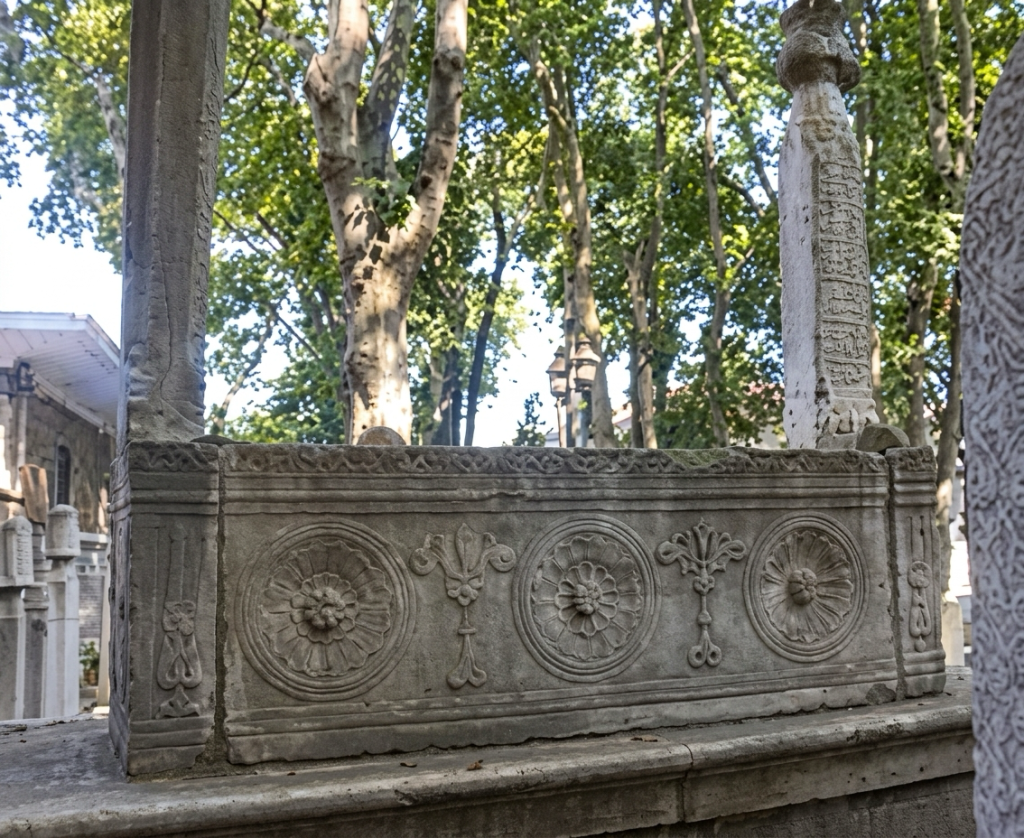
Tomb of Humbaracı Ahmed Pasha
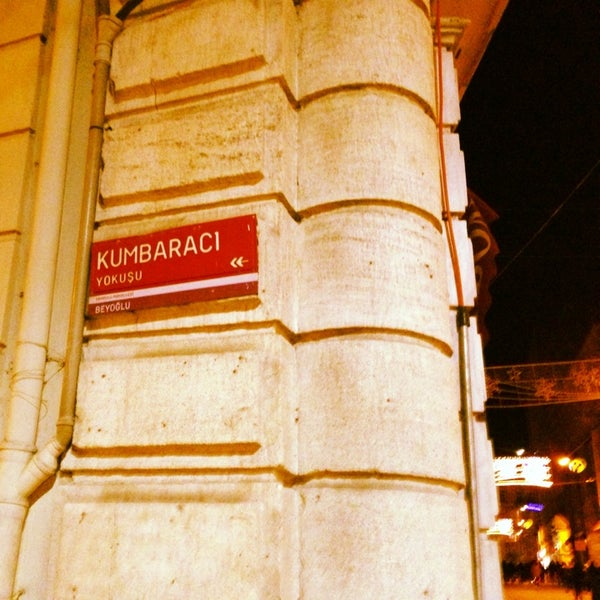
And his name survives in the city’s geography: Kumbaracı Yokuşu, the steep street connecting the historic quarters of Beyoğlu and Galata, recalls the title by which he became known.
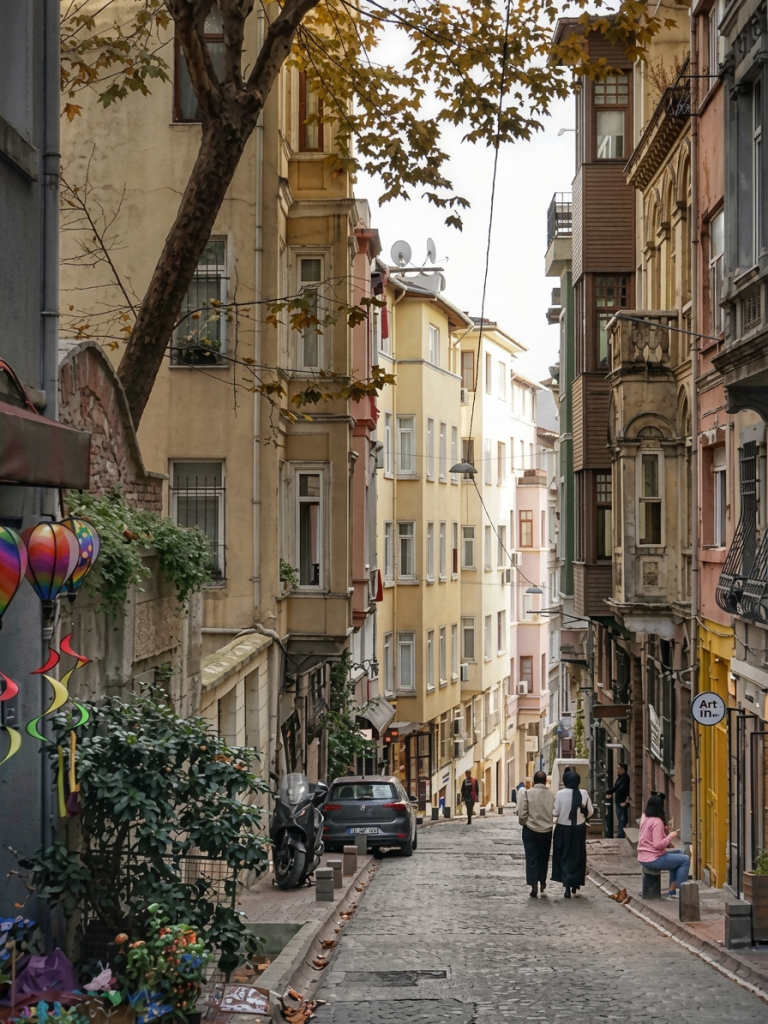
Kumbaracı Yokuşu
There is something wonderfully paradoxical about Bonneval’s story. He changed his country, his allegiance, his religion and his name. He served three different states, fought against his future employers, and eventually helped modernise the military establishment of the very state he had once opposed. But apparently, some things were beyond reform. His taste for French cooking, Italian conversation and a good bottle of Burgundy remained intact.