
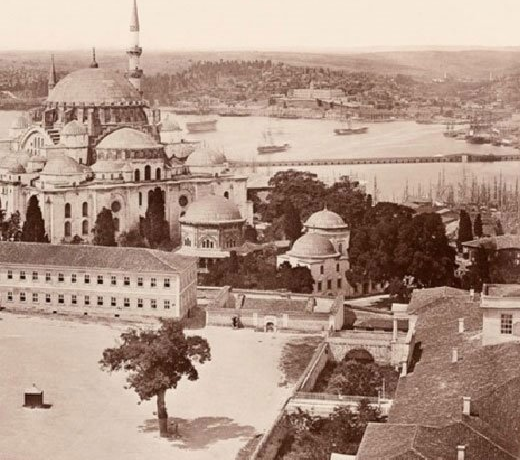
A photo of İstanbul taken by the Brıitish photoprapher James Robertson (photo taken from fikriyat.com)
The Crimean War (1853–1856) had a big impact on Istanbul, which was the capital of the Ottoman Empire at the time. Although the city was not on the front lines, just because it was the empire’s administrative and logistical hub, the war reshaped it in several ways. Istanbul became the center of international diplomacy. European ambassadors, military planners, and advisors gathered in the city, turning it into a stage for negotiations between the Ottomans, Britain, France, and later Sardinia. The war increased Western influence in Ottoman governance. British and French officials advised on military, financial, and administrative reforms, many of which began to reshape the empire from Istanbul outward. The presence of Western armies and diplomats exposed Istanbul’s elites more directly to European lifestyles, ideas, and technologies, accelerating cultural change.
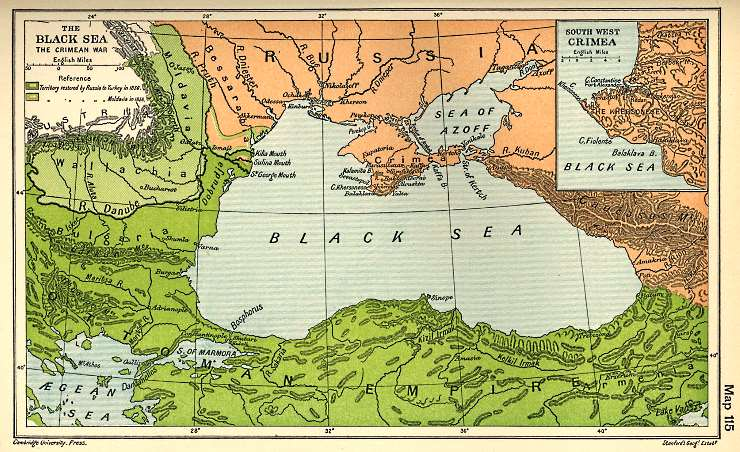
Please, have a look at this map to imagine the location of Crimea and Istanbul
Istanbul was also the main supply and coordination base for Ottoman forces heading to the Black Sea and Crimea. The city’s ports and arsenals worked at full capacity to outfit troops. The Ottoman military presence around the Bosphorus increased, with fortifications and naval activity expanding to defend against potential Russian attacks.
The war effort strained the Ottoman treasury. To fund it, the empire took its first major foreign loans from European creditors—negotiated in Istanbul. This marked the beginning of long-term financial dependence on Europe. The influx of British and French soldiers, merchants, and suppliers stimulated parts of the local economy but also raised prices and disrupted daily life.
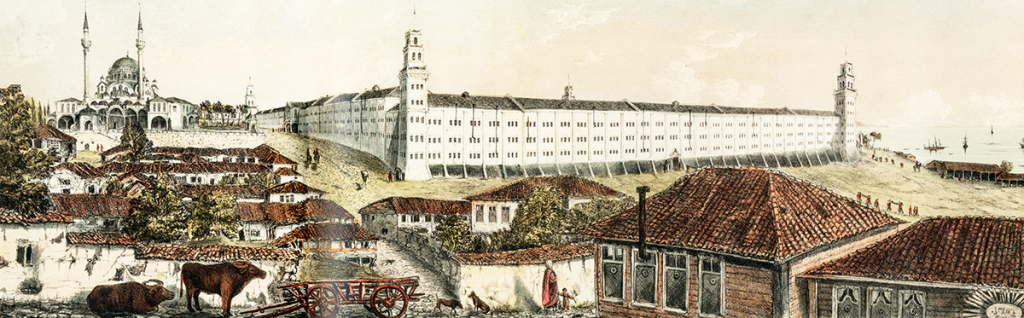
Selimiye Barracks (visual taken from Sinan Genim’s website)
Large numbers of wounded soldiers were brought back to Istanbul. Foreign military hospitals were established, including those staffed by Florence Nightingale in Üsküdar, across the Bosphorus. This made Istanbul an early site of modern nursing and medical reform. Selimiye Barracks (Selimiye Kışlası) in Üsküdar which was originally an Ottoman military barracks, it became world-famous during the Crimean War as the hospital where Florence Nightingale worked. Today, part of the complex houses a small museum dedicated to Nightingale, making it one of the most direct Crimean War monuments in Istanbul.
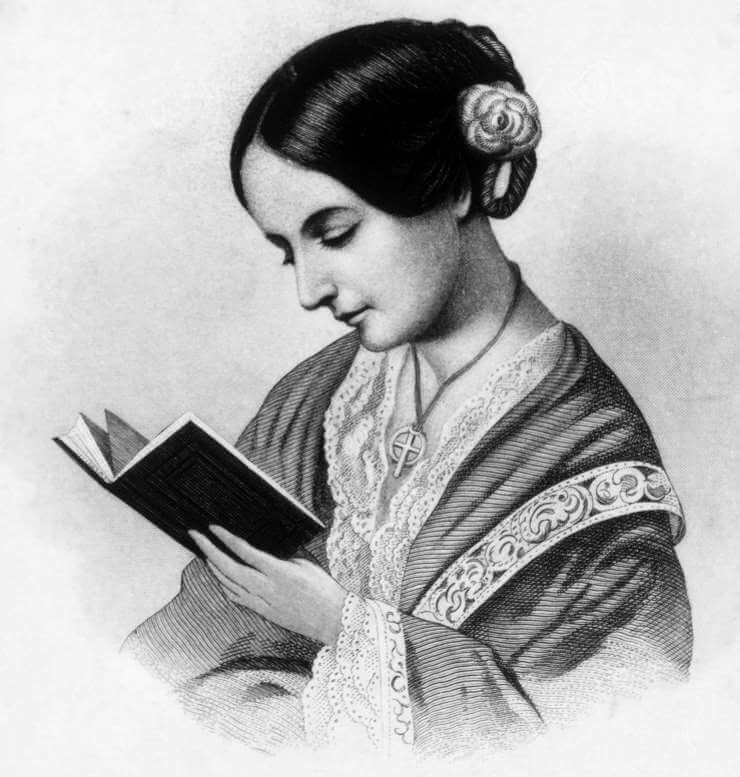
An engraving of Florence Nightingale, 1868
To support the war, the city saw improvements in transportation and communications, such as roads and telegraph lines, linking Istanbul more closely to Europe and the provinces. Some of the wartime hospitals and military facilities later became permanent institutions, leaving a lasting urban footprint.
Thus, the Crimean War turned Istanbul into a hub of international politics, finance, and logistics, deepened European influence in Ottoman affairs, and triggered both financial dependence and modern reforms that reshaped the city socially and institutionally.
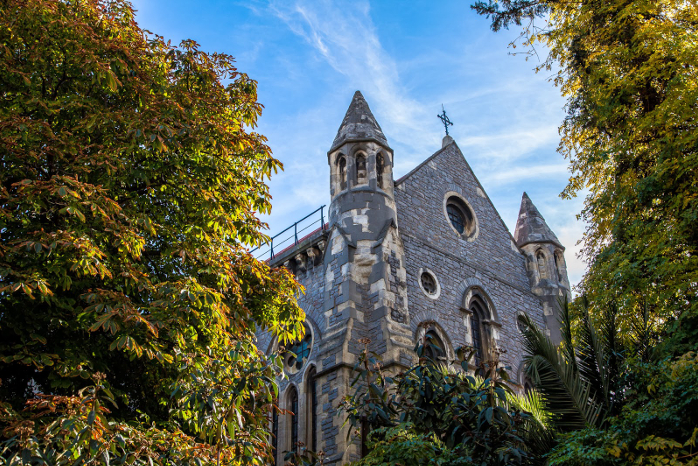
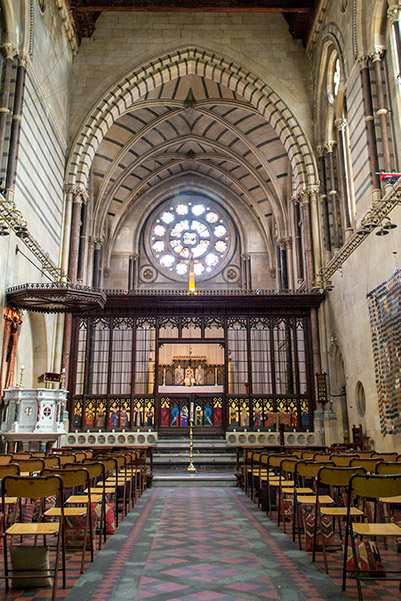
Crimean Memorial Church
Today, there are two reminders of the Crimean War that reshaped İstanbul which are the Crimean Memorial Church (Christ Church), Galata and Crimean Memorial in Haydarpaşa Cemetery.
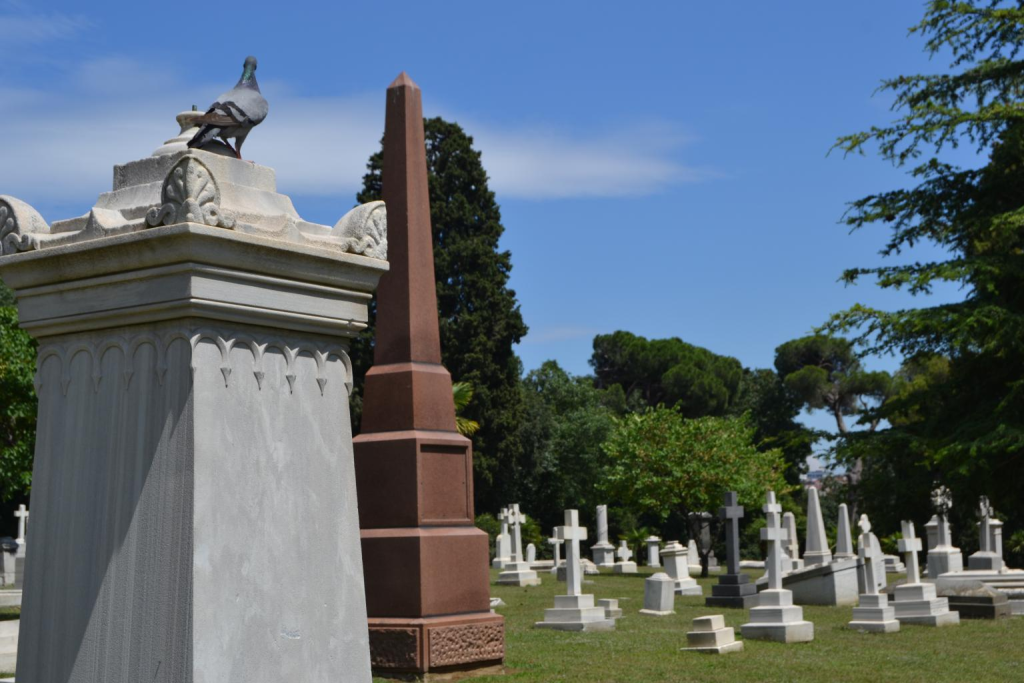
Crimean Memorial Haydarpaşa Cemetery
I would especially recommend you to see the Church and to attend a Sunday Mass or even a Christmas Mass. Tucked away in a quiet corner of Galata, it is a peaceful place to visit. The Church hosts a range of concerts from different genres which are a delight to attend!