
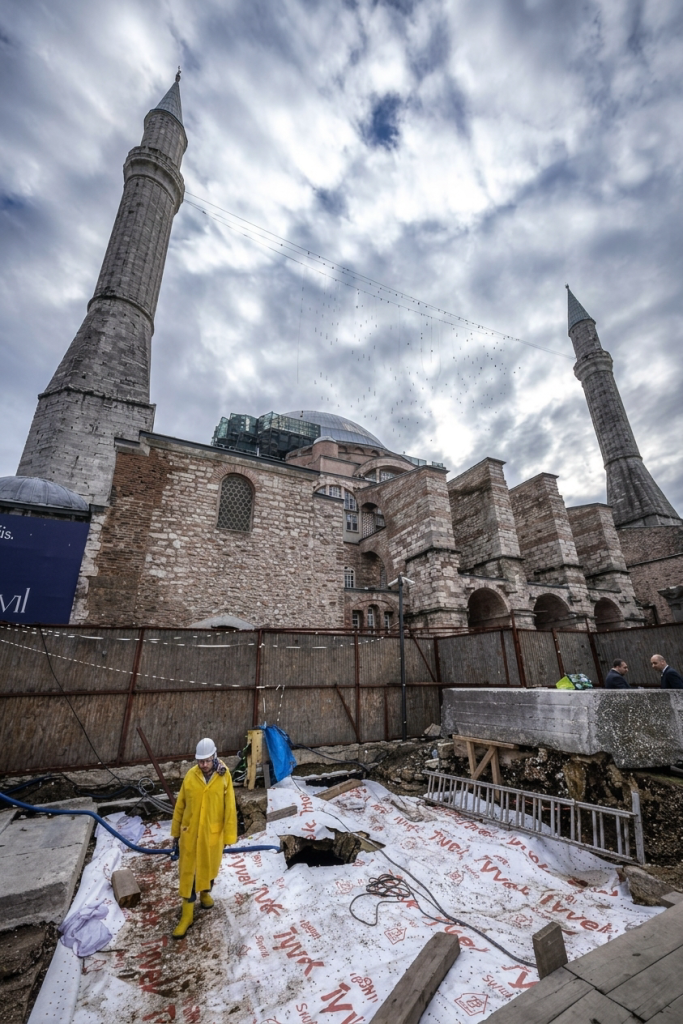
Istanbul’s history is not confined to its streets, palaces and monumental architecture. Much of its past lies hidden beneath the surface, in an underground world shaped by successive civilisations. Recent restoration works beneath Hagia Sophia have brought remarkable discoveries to light: six underground spaces and nine tunnels, offering new insights into the historical landscape surrounding one of the world’s most celebrated monuments.
The work is being carried out under the coordination of Turkey’s Ministry of Culture and Tourism, as part of the comprehensive restoration of Hagia Sophia. The project involves archaeological investigations, excavation, cleaning, documentation and structural reinforcement, with the participation of the Hagia Sophia Scientific Committee.
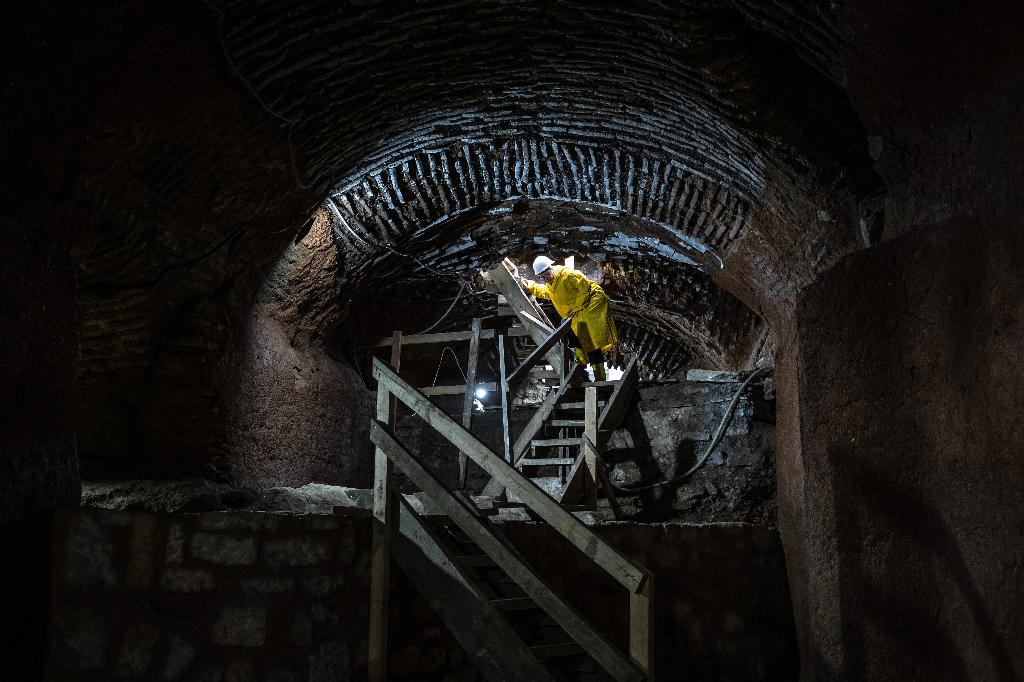
Approximately 420 metres of underground passages have reportedly been cleared, with nearly 1,000 cubic metres of accumulated earth, mud and rubble removed during the process.
What has been discovered?
Among the most intriguing findings is a hypogeum, an underground funerary structure, located in the Vizier Garden. Measuring approximately eight by eight metres, it contains two channel systems extending east and west. The eastern channel, around 25 metres long, has been cleared. Archaeological layers found beneath the accumulated mud suggest that parts of the structure may predate the present Hagia Sophia building.
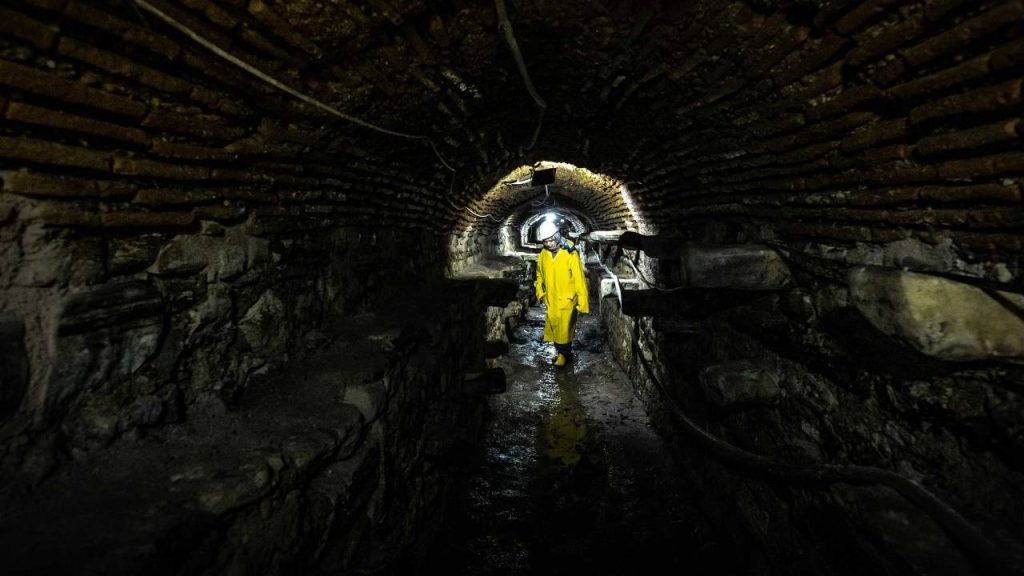
In the Western Garden, several underground spaces have also been uncovered. The first three appear to be basement structures belonging to the atrium, the courtyard of the original architectural complex. A fourth space lies to the south of the atrium, while another extends northwards. The sixth space, measuring approximately four by four metres in the section uncovered so far, stretches towards Soğukçeşme Street.
Some of these structures and tunnels may date back to the Roman period, although their precise chronology and original functions remain under investigation.
Ancient waterways and a possible Roman street
One of the most fascinating aspects of the discovery concerns the underground water network. A passage extends southwards in the direction of the Basilica Cistern (Yerebatan Sarnıcı), with water still present inside. Its gradient suggests a possible connection with an ancient water distribution system. Researchers are investigating whether the water originates from a natural spring or is associated with the historic network supplied through the Valens Aqueduct (Bozdoğan Kemeri).
Another remarkable feature is a tunnel approximately 180 metres long, believed to be potentially associated with an ancient Roman street. Historical references to a road extending from Little Hagia Sophia (Küçük Ayasofya) towards Sarayburnu add further interest to this possibility, although a direct connection has yet to be established.
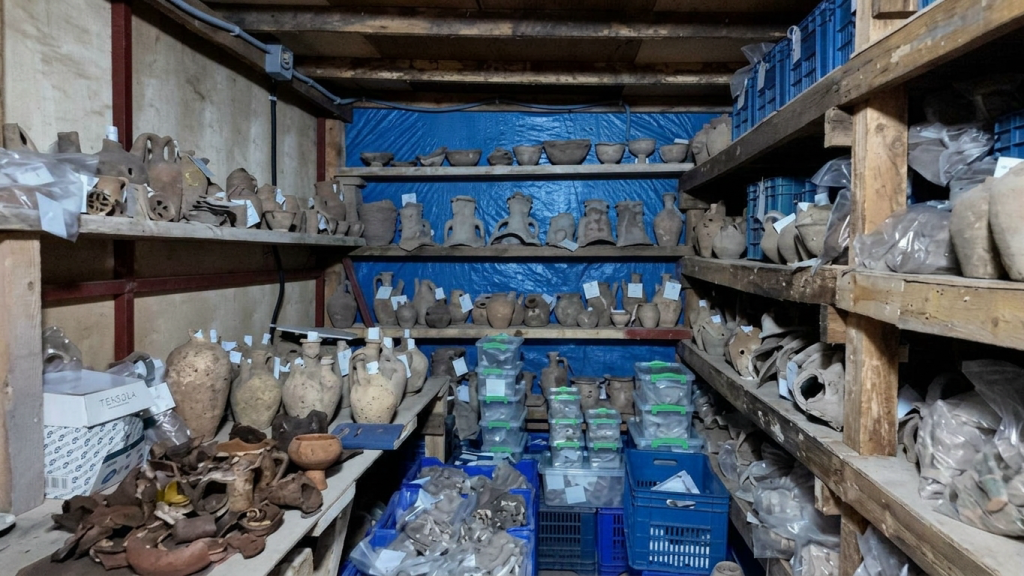
Historical artifacts found in the tunnels
These discoveries offer a glimpse into the sophisticated urban infrastructure of Constantinople, where aqueducts, cisterns, drainage channels and underground passages sustained the life of an imperial capital.
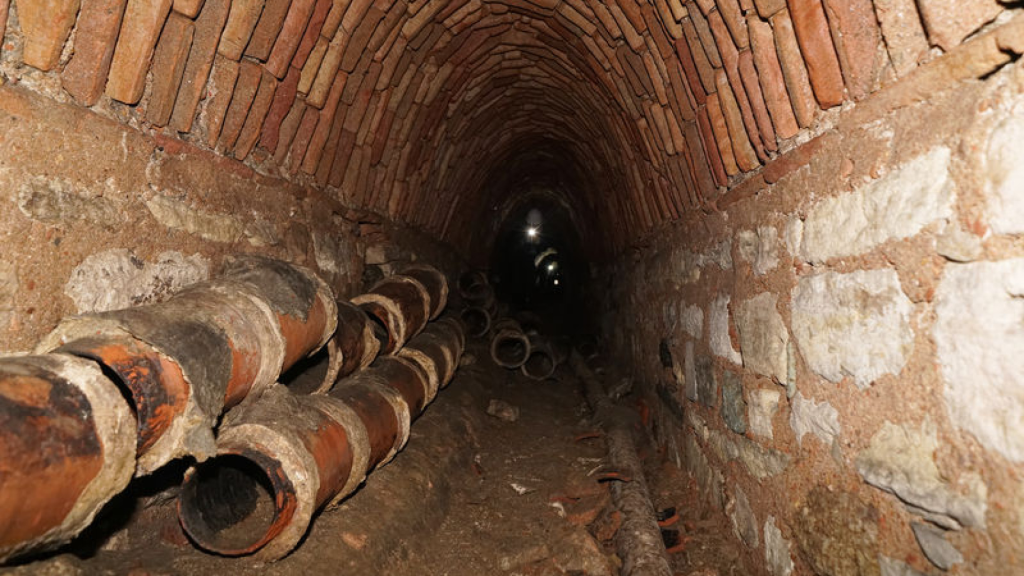
Hagia Sophia has stood at the heart of Istanbul for almost fifteen centuries. Yet these discoveries remind us that its history extends far beyond its magnificent dome and visible architectural splendour. Beneath the monument lies another historical landscape, shaped by successive civilisations and preserving traces of a city that has repeatedly reinvented itself.
Visuals are taken from gaste.com, haberhurriyeti.com and birgun.com.
Note that the video is embedded via YouTube and all rights belong to the respective rights holders.