
I came to Kalamış to take in a little sweet tranquility.’
From an old Turkish song
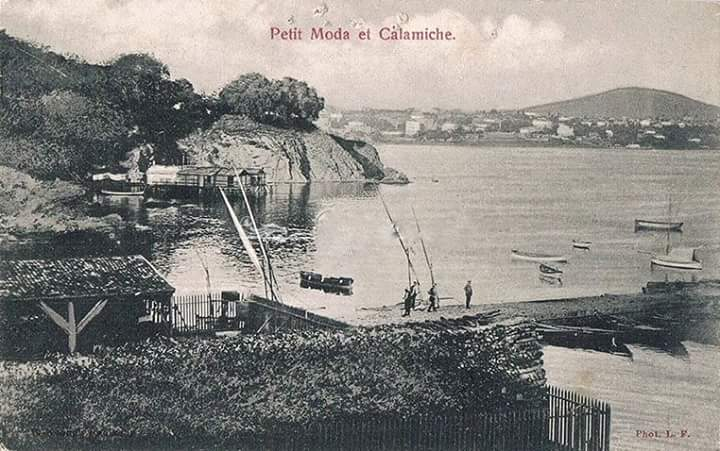
There was once a way of inhabiting Istanbul that people still refer to, almost with a sigh, as eski İstanbul’un tatlı huzuru — the sweet tranquility of old Istanbul. It was not an era without conflict or poverty. Ottoman Empire was fading, regimes were shifting, lives were often materially modest. And yet, something in the tempo of the city allowed for a softer psychological climate.
Old Istanbul moved at the speed of walking.
In neighbourhoods like Üsküdar, Fatih, or Kuzguncuk, wooden houses leaned slightly toward the street, their bay windows almost touching. Architecture was intimate rather than monumental. Curtains shifted; voices travelled easily from one home to another. The street was not merely a passage but a shared threshold. Children played there, neighbours exchanged plates of food, elders pulled up chairs in the evening air. Private and public life interwove without spectacle.
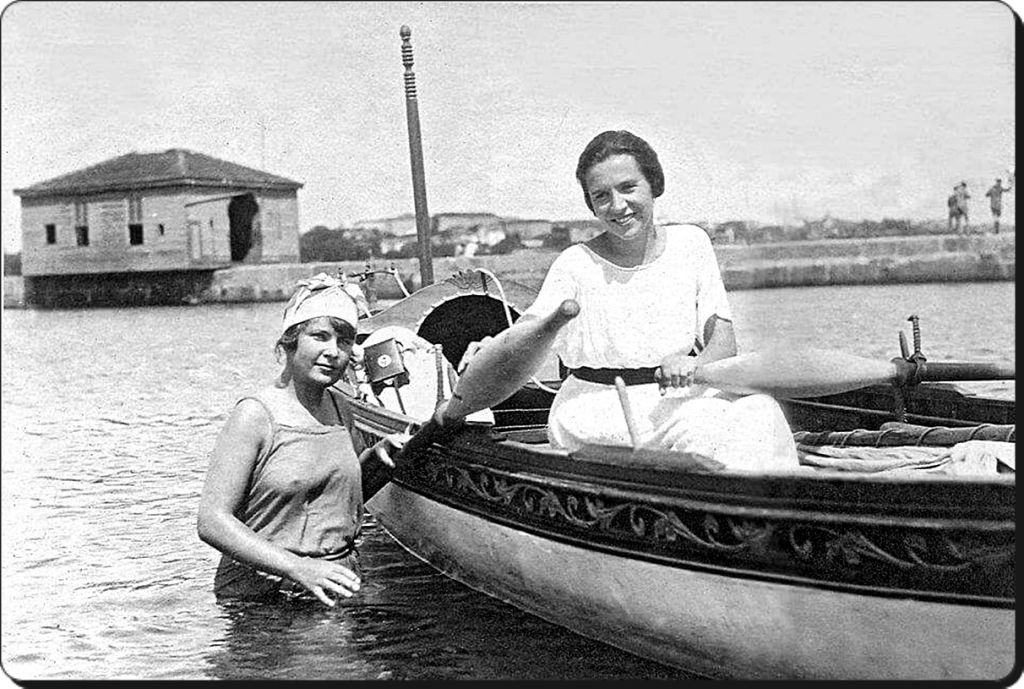
Kalamış, 1930s
The presence of water shaped the city’s emotional register. The Bosphorus was not a luxury view but a daily horizon. Ferries crossed steadily, not hurriedly, carrying workers, students, lovers and the simple ritual of sipping tea on deck created a pause between continents. The sea absorbed excess. It restored proportion. To look at the shifting greys and blues was to be reminded that time extended beyond individual urgency.
Sound, too, was different. The call to prayer rose and fell without competing with relentless traffic. Vendors announced themselves with melodic insistence. Even commerce had tone. Silence was not emptiness but a shared restraint, an unspoken agreement not to intrude too harshly into one another’s space.
Perhaps what we call tatlı huzur (sweet tranquility) was, psychologically, a form of containment. Life unfolded within recognisable limits. The skyline — domes and minarets rather than glass towers — did not pierce the sky in rivalry. Rituals repeated: Friday markets, evening strolls, Ramadan lanterns glowing softly. Predictability created continuity; continuity allowed trust.
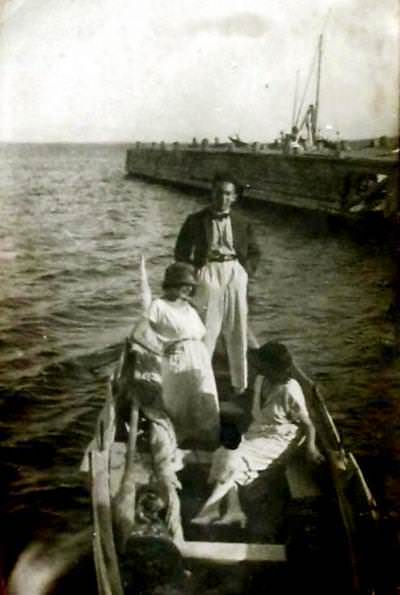
Kalamış, 1921
Perhaps tatlı huzur (sweet tranquility) was never purely historical. It was relational, born where familiarity met slowness, where architecture supported intimacy, where the city could hold its inhabitants without overwhelming them. And perhaps what we long for when we speak of old Istanbul is not the past itself, but the possibility that even in a vast, contradictory metropolis, life can still unfold gently enough for the soul to keep pace.
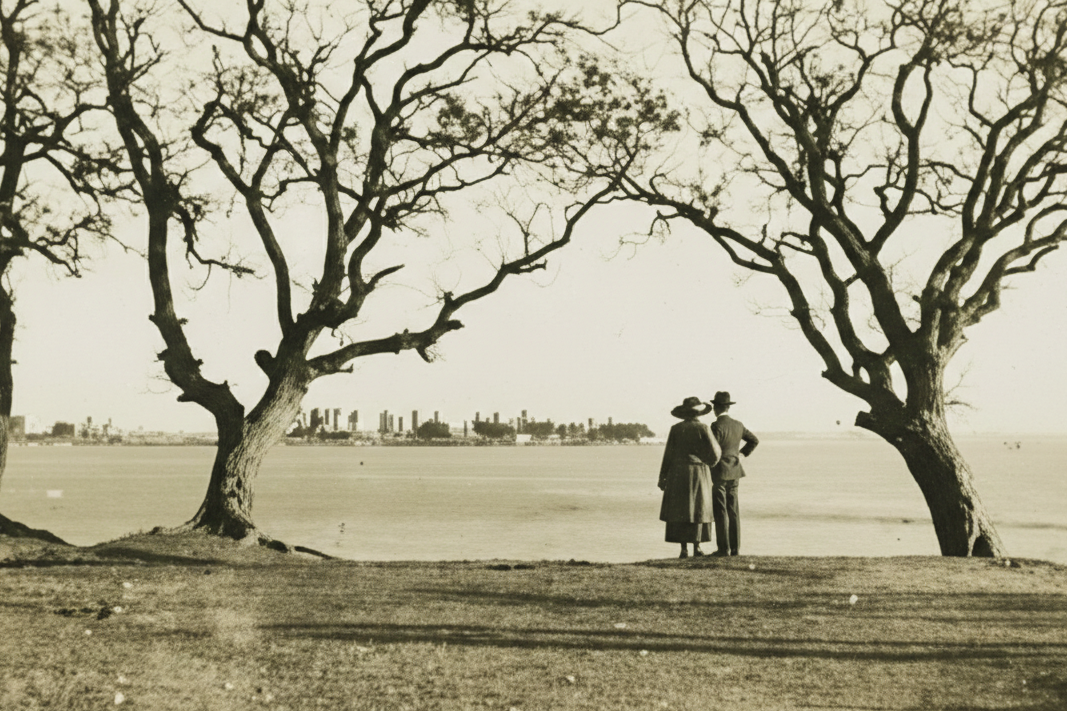
Looking at Kalamış from Moda, 1900s
And then there was the voice of Münir Nurettin Selçuk, a voice that seemed to gather the city’s restraint and longing into a single breath. When he sang classical Turkish compositions, Istanbul itself felt present in the timbre: dignified, slightly distant, never hurried. His phrasing carried both discipline and tenderness, as if emotion were being held not suppressed, but shaped. In his interpretations, love was refined by patience, sorrow by elegance. Listening to him even today, one senses that the city once knew how to feel deeply without raising its voice. He did not merely perform songs; he gave sound to that sweet tranquility to an Istanbul that believed intensity did not require noise.

Münir Nurettin Selçuk
Lend an ear to the great master, Münir Nurettin Selçuk, and you may catch a fleeting glimpse of the sweet tranquility of old Istanbul!
Note: This video is embedded via YouTube. All rights belong to the respective rights holders.