
Dedicated to my maternal grandfather Suat Vina
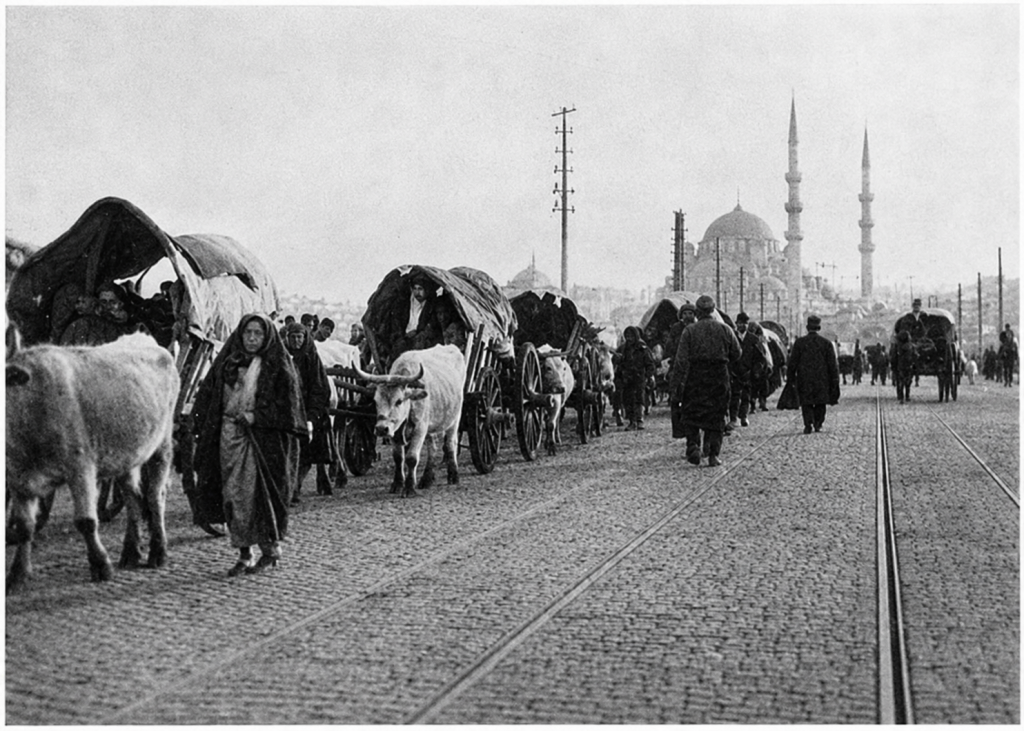
Displaced Muslim Turks from the Balkans in Istanbul
When we think of the great tragedies that shaped modern Turkey, the First World War and the War of Independence usually dominate public memory. Yet another catastrophe preceded them, one that transformed millions of lives and quietly remade Istanbul itself: the gradual loss of the Balkans.
For centuries, the Balkans were not a distant frontier of the Ottoman Empire—they were home. Cities such as Salonica, Monastir, Üsküp, Drama, Kavala, Serez, and Yanya were thriving centers where Muslims, Christians, and Jews lived alongside one another in an imperfect but enduring coexistence. Families established roots that stretched back generations. Homes, schools, markets, cemeteries, and places of worship created a landscape that few imagined would disappear within a single generation.
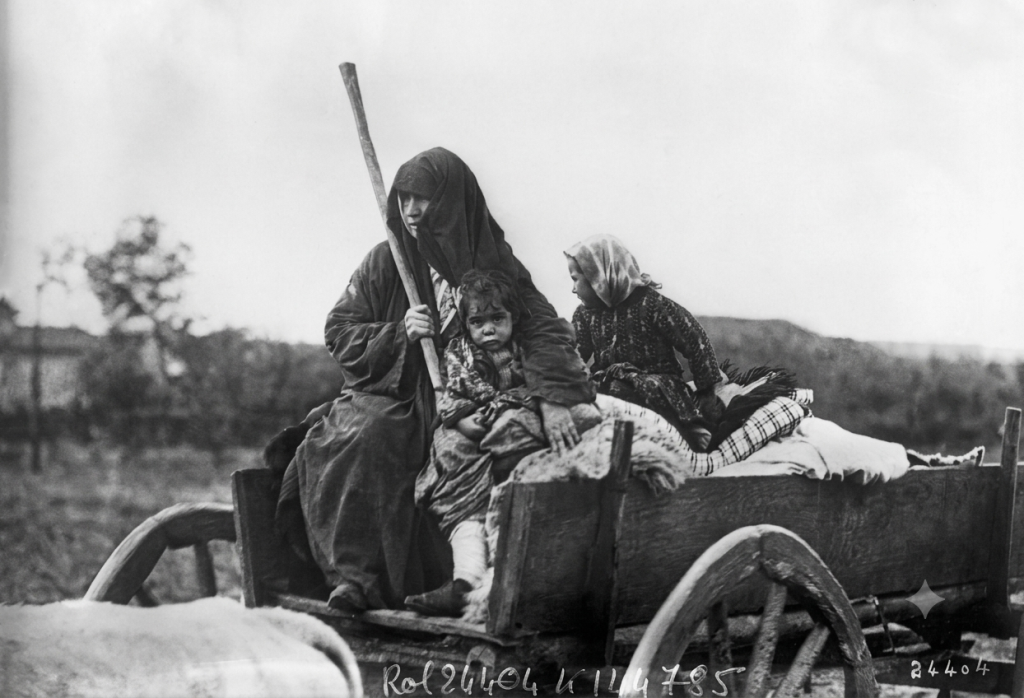
The unraveling began with the Russo-Turkish War of 1877–1878, remembered in Ottoman history as the 93 Harbi. Entire villages were emptied as armies advanced. Civilians fled violence, reprisals, hunger, and disease. Tens of thousands died on the roads. Those who survived often arrived in Ottoman cities carrying little more than what they could carry in their hands.
The Balkan Wars of 1912–1913 brought an even greater catastrophe. Within months, the Ottoman Empire lost almost all of its remaining European territories. Hundreds of thousands of Muslims were forced to abandon homes that many families had inhabited for centuries. Some left believing they would return after the fighting ended. Most never did.
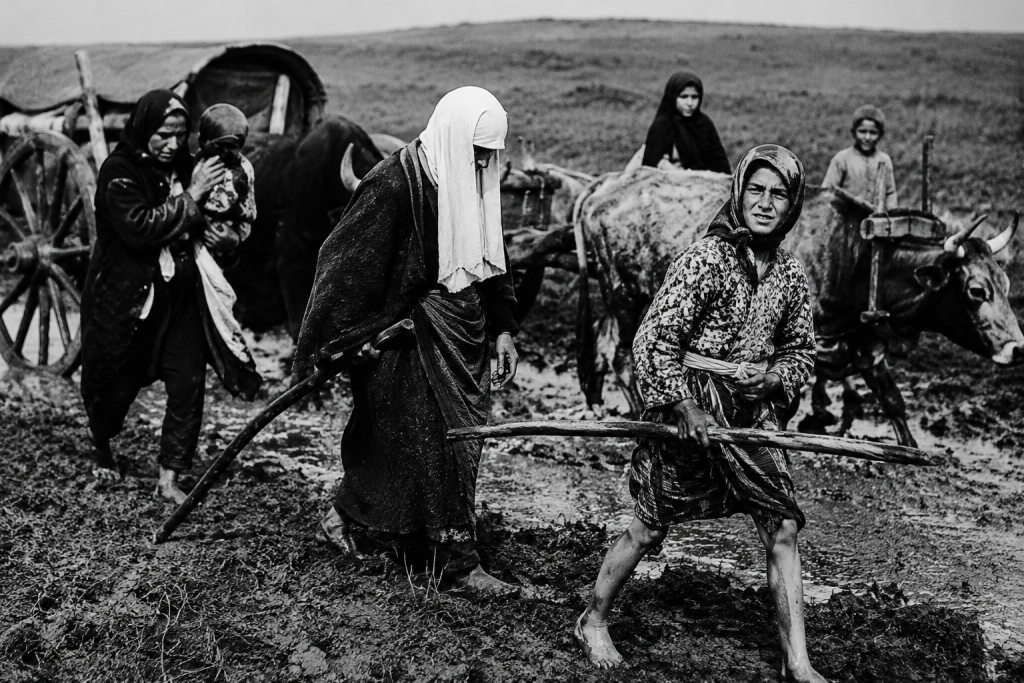
Hundreds of thousands of people walked across the Balkans to reach Istanbul. It is estimated that 400.000 people were displaced during the Balkan wars in 1912-13.
The trauma was not simply one of migration. It was the collapse of an entire world.
People left behind houses built by their grandparents, orchards planted by earlier generations, family graves, neighborhoods whose streets they knew by heart, and memories that suddenly belonged to another country. Many witnessed violence against neighbors and relatives; others buried children and elderly family members during the journey. For countless families, exile was accompanied by grief, poverty, uncertainty, and the painful knowledge that there was no road home.
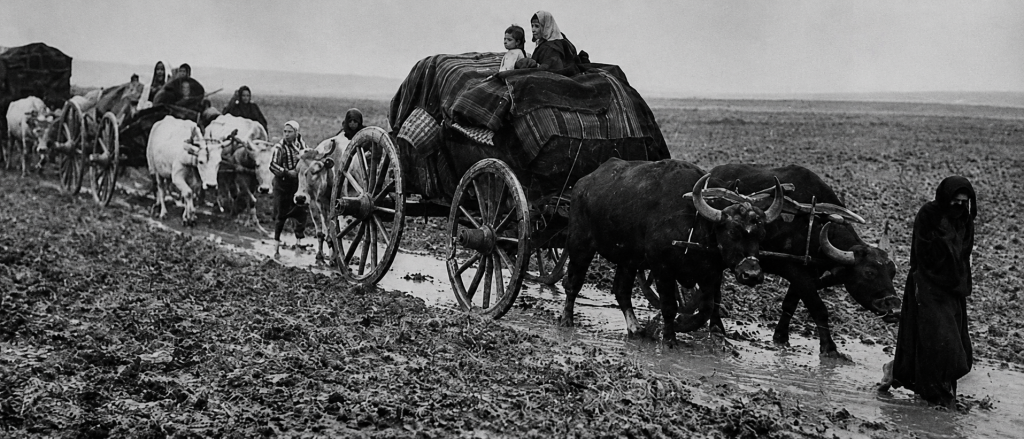
Families walked hundreds of kilometers across rugged Balkan terrain through severe winter weather, mud, and active war zones.
Among those displaced were my own maternal grandfather Suat Vina and his family. Like so many Balkan refugees, they became part of the great human tide that flowed toward Istanbul. Their story was not exceptional, and that is precisely why it matters. It was one thread in an immense collective experience that shaped the lives of hundreds of thousands of people and, through them, transformed the city itself.
Modern Istanbul cannot be understood without these refugees—or without recognizing how deeply being from Rumelia (Rumelili olmak) remains a cherished pillar of identity for millions of Istanbulites today.
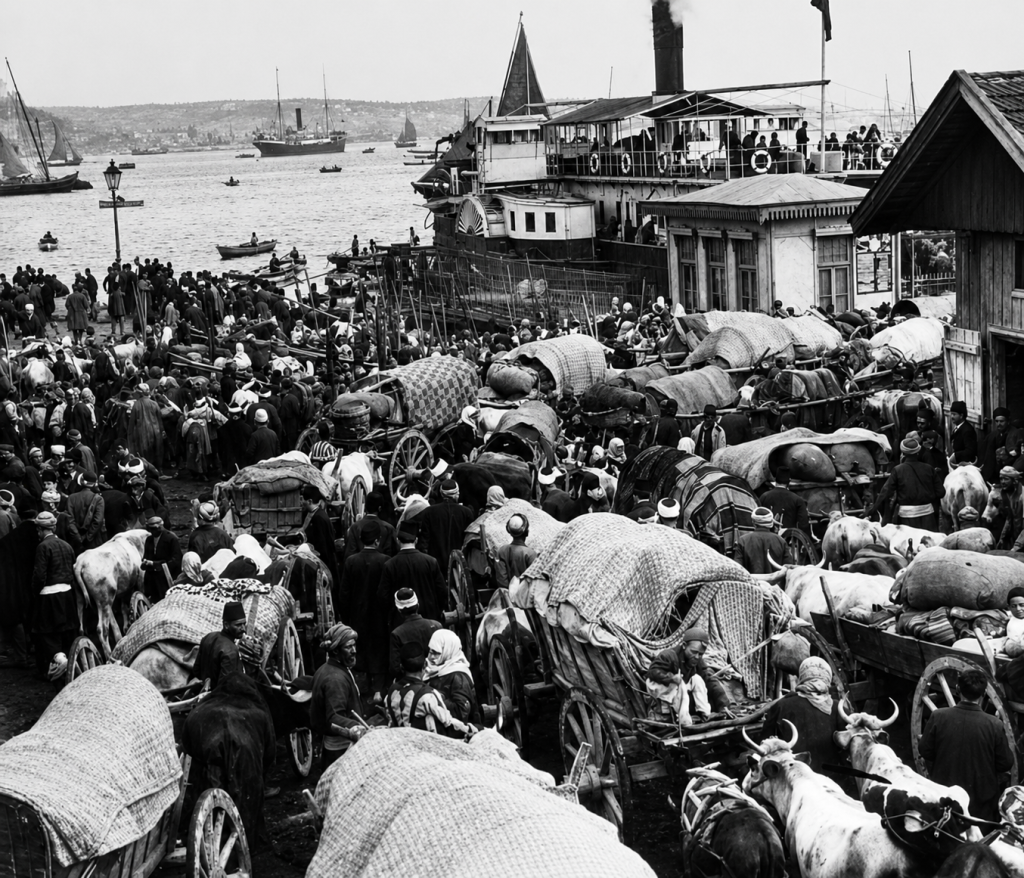
Displaced Turks from the Balkans in Sirkeci, Istanbul in 1912
They arrived carrying remarkably little in material terms, yet they brought an indelible cultural inheritance: education, craftsmanship, professional expertise, languages, refined manners, and an urban sophistication that profoundly influenced the city’s character. Teachers, civil servants, doctors, merchants, artists, musicians, and military officers from the lost provinces settled in neighborhoods across the city. Entire districts changed as vibrant communities emerged in Kadıköy, Üsküdar, Fatih, Bakırköy, Eyüp, and beyond. The city’s middle class, particularly during the early Republican period, was deeply shaped by these families.
More than a century later, that legacy is not merely remembered; it is lived.
To trace your roots back to Rumelia carries a quiet pride—a sense of belonging to a heritage defined by resilience, warmth, and grace. That identity lives on in the daily rhythm of Istanbul. It is felt in the understated elegance and gentle manners (edep) passed down through generations. It is tasted in the city’s culinary fabric, from savory börek varieties to regional specialties that migrated from Balkan kitchens to Istanbul dinner tables.
It echoes, too, in the city’s musical soul. Rumeli folk songs (Rumeli Türküleri)—filled with references to Drama, Arda, Monastir, Salonica, and Kavala—are not simply historical artifacts. They are vibrant, emotional anthems played at celebrations and quiet gatherings alike. They are songs of absence that preserve a lost world while refusing to let it vanish, keeping the memory of the old country alive in the heart of the new one.
Perhaps here is the deepest legacy of the Balkan migrations. They did not simply alter the demographics of Istanbul; they gave the city a psychology—a collective awareness that home is fragile, that civilizations can shift with astonishing speed, and that memory, culture, and shared heritage often become the only homeland no one can take away.
Note that the videos are embedded via YouTube and all rights belong to the respective rights holders.