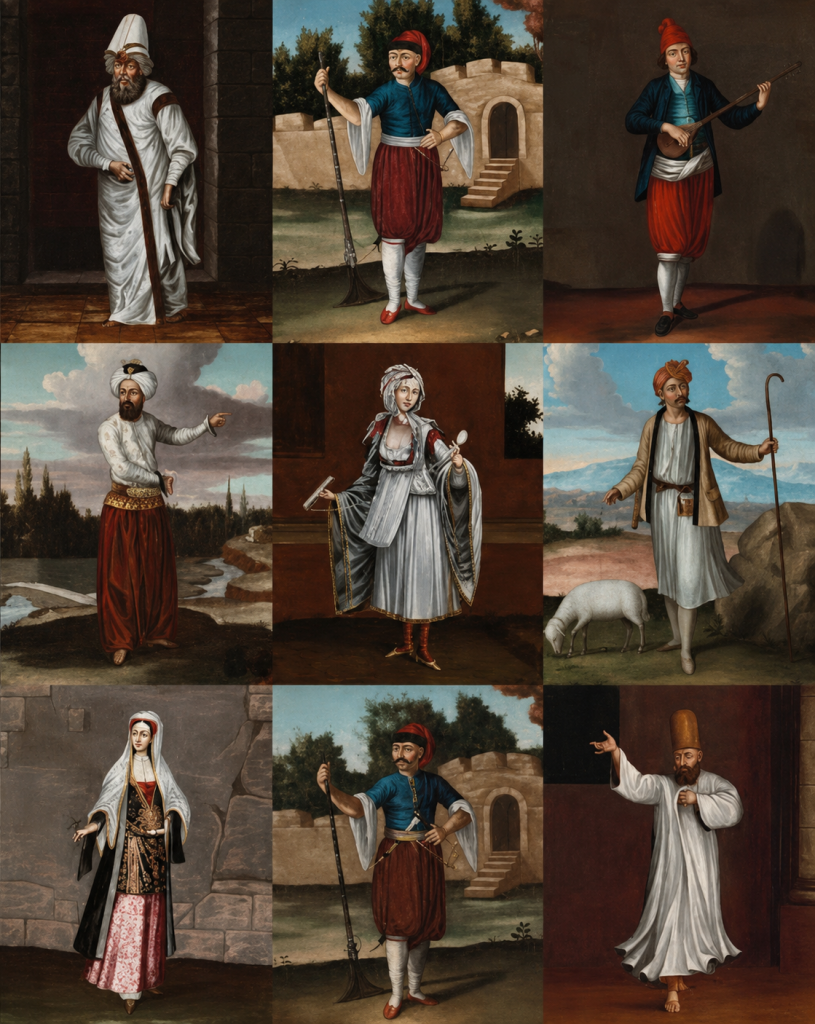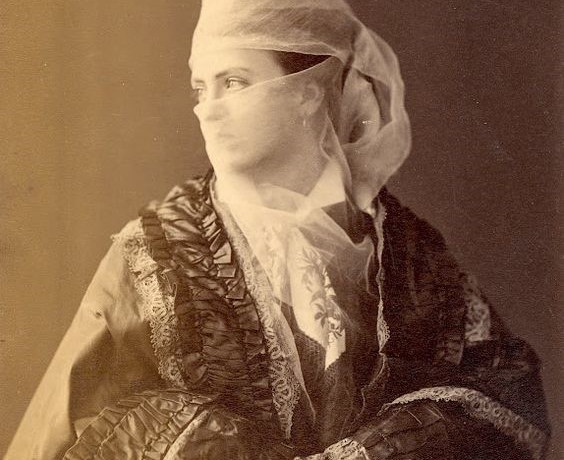

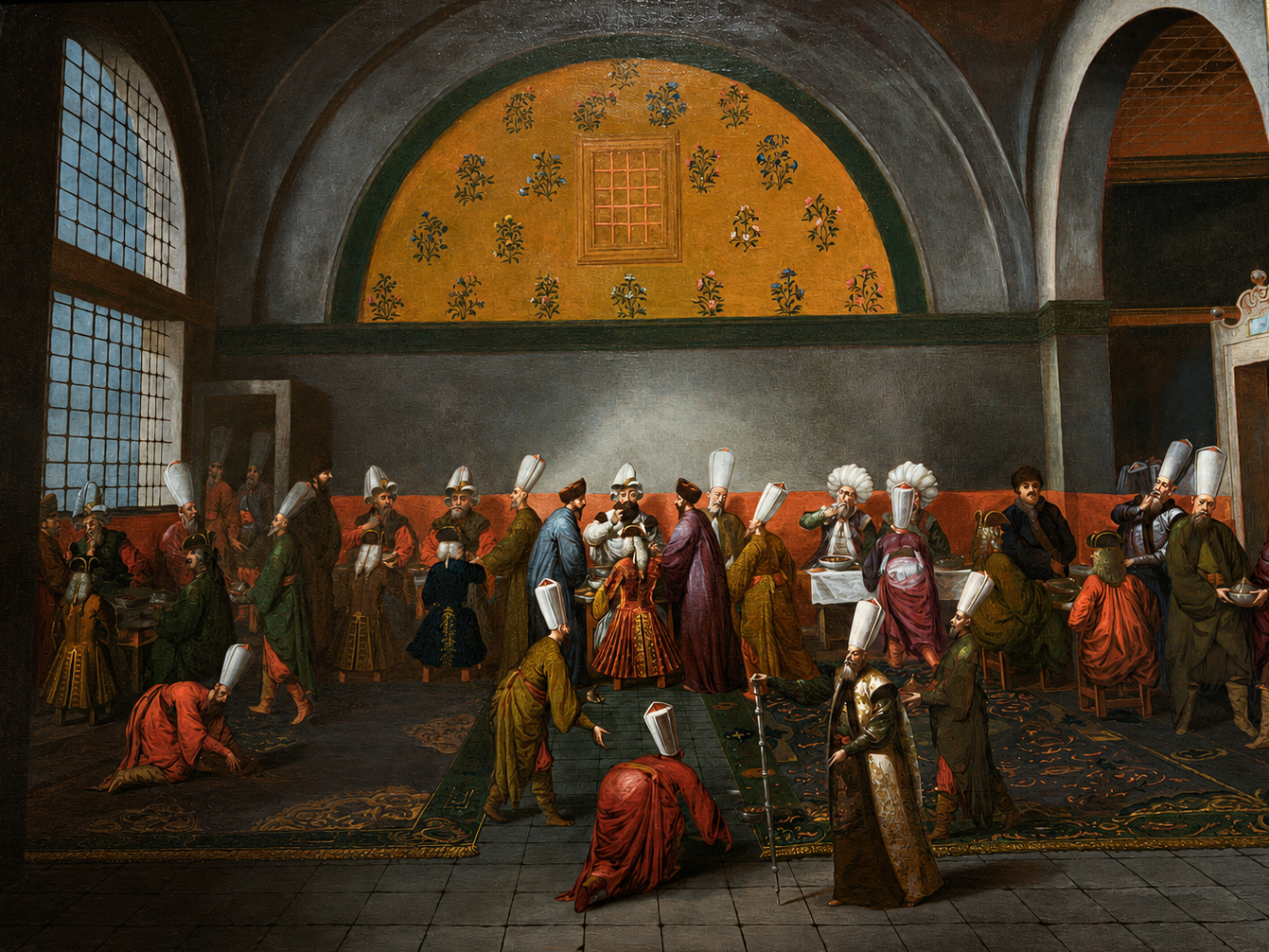
The Rijksmuseum in Amsterdam holds one of the world’s most remarkable visual records of Ottoman Istanbul during the early eighteenth century, including the celebrated Tulip Era (1718–1730). At the heart of its holdings is an extraordinary collection of 65 paintings assembled by the Dutch ambassador Cornelis Calkoen, many of them by the French-Flemish artist Jean-Baptiste Vanmour and his workshop. Having lived in Istanbul for decades, Vanmour became an exceptional visual chronicler of the imperial capital, capturing its diplomatic ceremonies, courtly culture, fashions, urban landscapes, and scenes of everyday life.
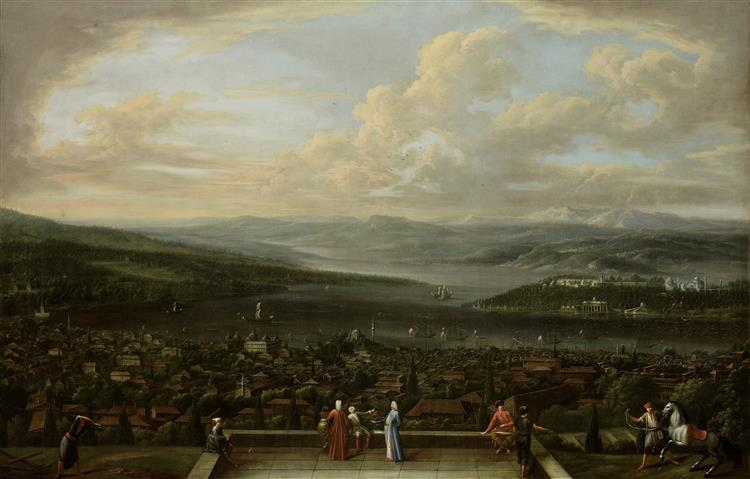
View of Istanbul from the Dutch Embassy in Pera, Jean Baptiste Vanmour, 1720-1737
Many of these works were commissioned or collected by Cornelis Calkoen, the Dutch ambassador to the Ottoman Empire in the early eighteenth century, and together they offer a remarkably detailed visual record of the Ottoman court and the society surrounding it.

Among the highlights is a captivating three-part series depicting Calkoen’s formal audience with Sultan Ahmed III in 1727, alongside portraits of high-ranking Ottoman officials, Sufi dervishes, and men and women in the distinctive dress of the period.
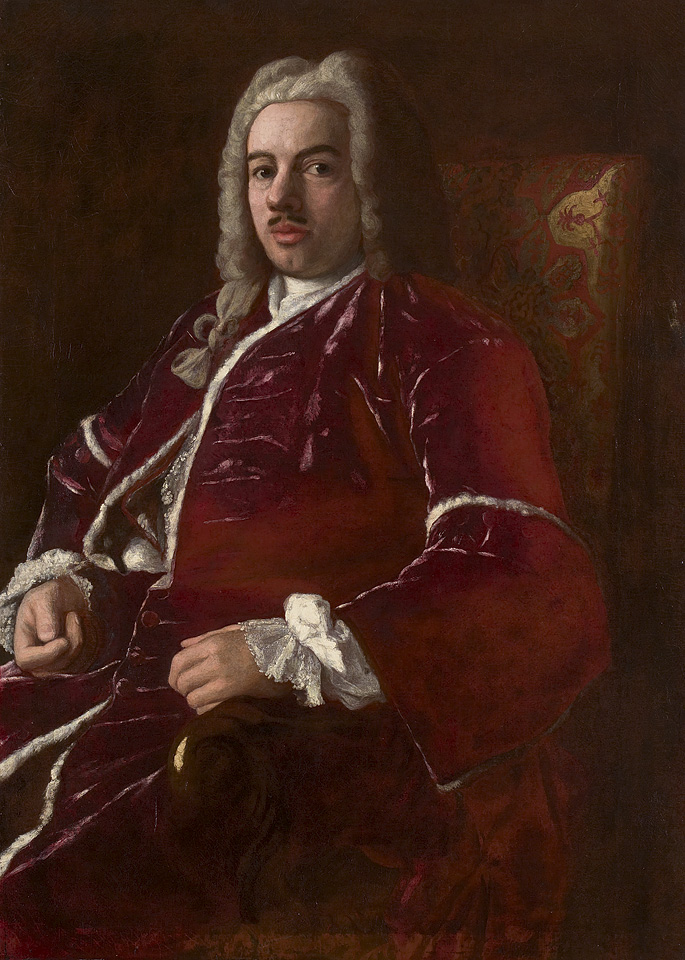
Cornelis Calkoen
Now part of the Rijksmuseum’s permanent collection, the Calkoen paintings constitute an extraordinary artistic bridge between Europe and the Ottoman world. Through Vanmour’s remarkably observant eye, they preserve the colors, ceremonies, fashions, and characters of eighteenth-century Istanbul, offering us a rare visual window onto a world that has long since disappeared.