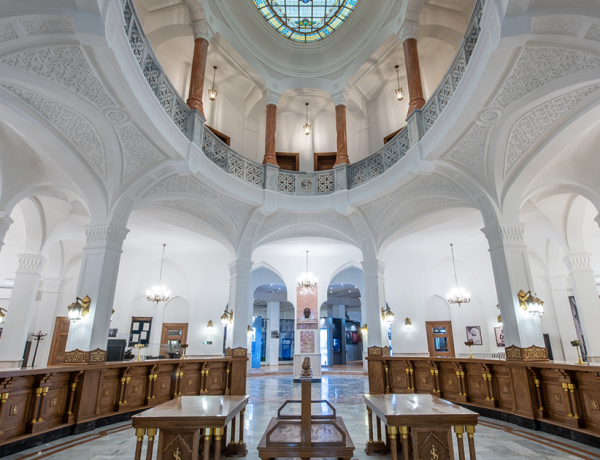

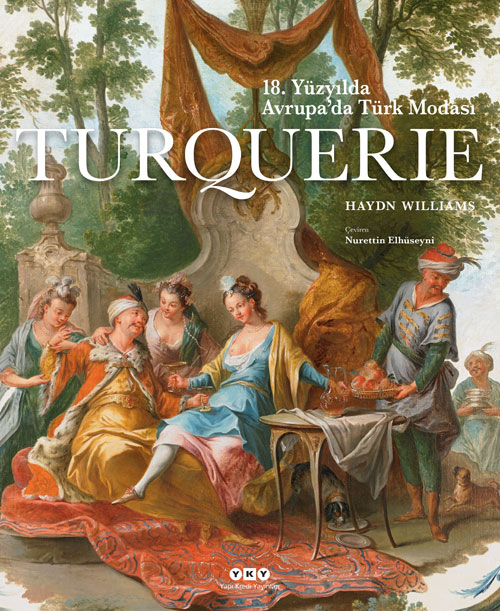
Pera Museum is a gem in the heart of Pera in Beyoğlu and a place worth visiting in order to see one of the best examples of the Turquerie Movement. Turquerie refers to the fashion movement of aspiring for everything Turkish from clothing to furniture in Europe in the 17th-18th Century. Historians explain this with Europeans’ declining fear of Turks in the 17th Century as a military force and their increasing curiosity in Turkish culture as an oriental fantasy. Especially European aristocracy was fascinated with all things Turkish which meant that European aristocrats fancied dressing like Ottomans and having their portraits painted along with decorating their homes and palaces in a Turkish style with carpets, cushions and tiles. Aristocrats fancied organising masked balls with the Turquerie theme.
Even Marie Antoinette had a Turkish room which was decorated in an oriental style. Here is an interesting book on the oriental refuge of Marie Antoinette.
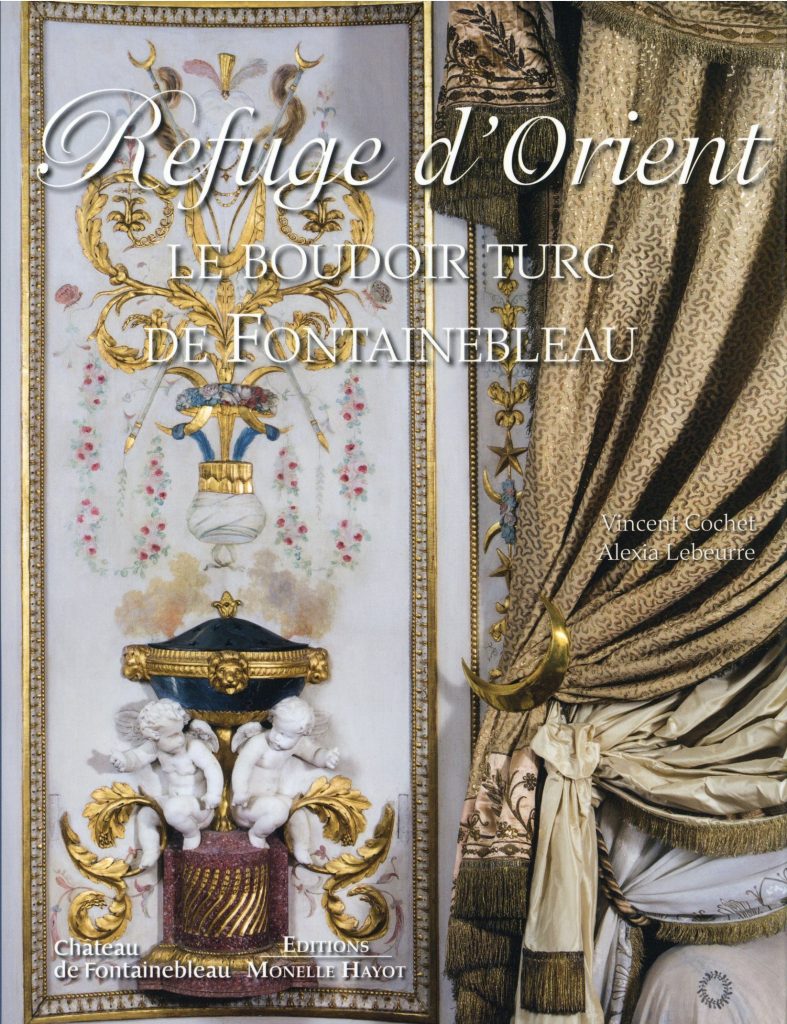
Have a look at Marie Antoniette’s Turkish room in her private palace and the story of its restoration:
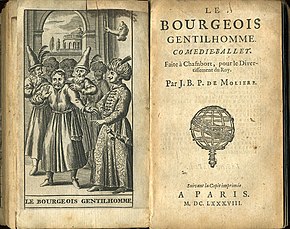
French writer Moliere was the first person to use the term Turquerie in one of his plays in 1668. The same writer had elaborated on this theme in his play Le Bourgeois gentilhomme which had created a Turquerie craze in Europe. A part of the play has ‘marche pour la ceremonie des Turc’ (march for the ceremony of Turks) composed by Jean-Baptiste Luly and it is a delight to listen to. The play was performed to King Louis XIV.
Pay a visit to see the rich collection of the Turquerie Movement in the Pera Museum. You will get a chance to see European aristocrats and ambassadors dressed as Ottoman royals. Living in a culture that has been deeply affected by the west, it is a delight to see how influence of cultures can work both ways.
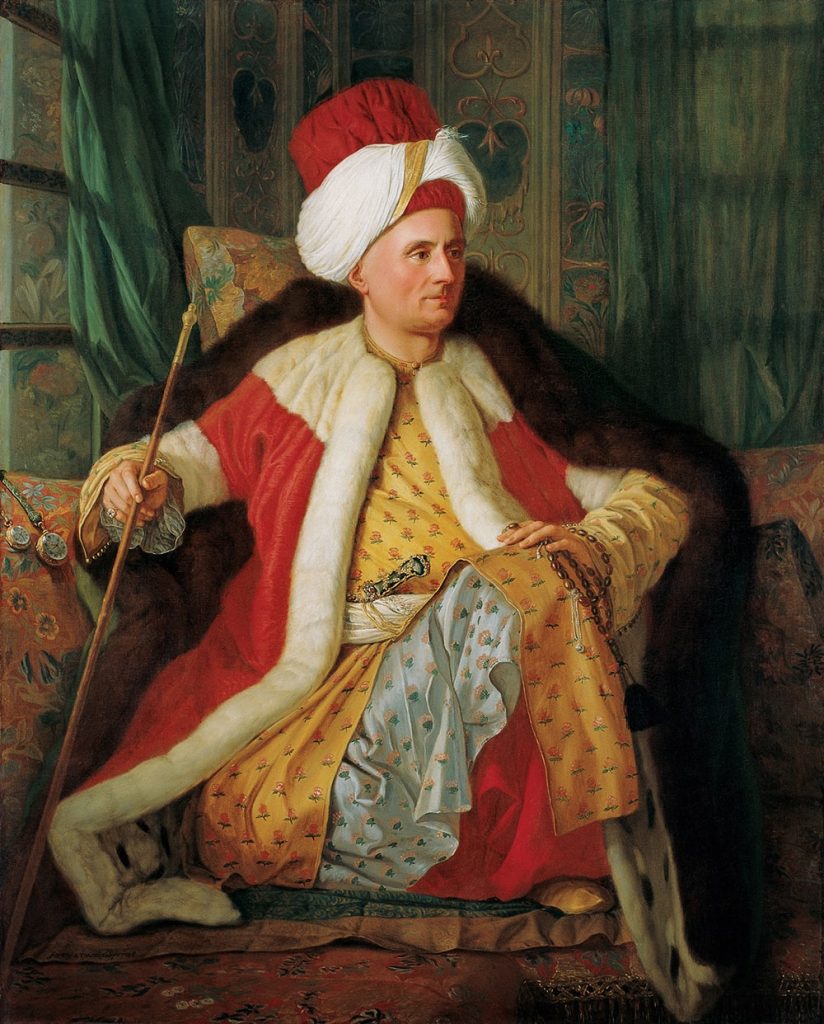
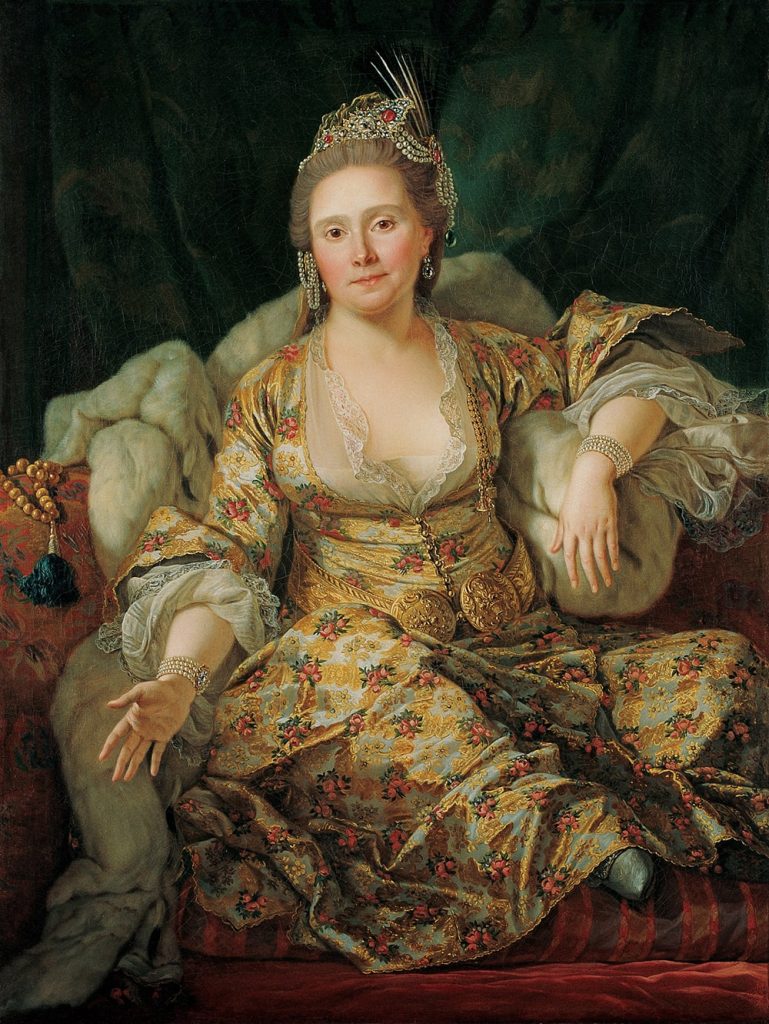
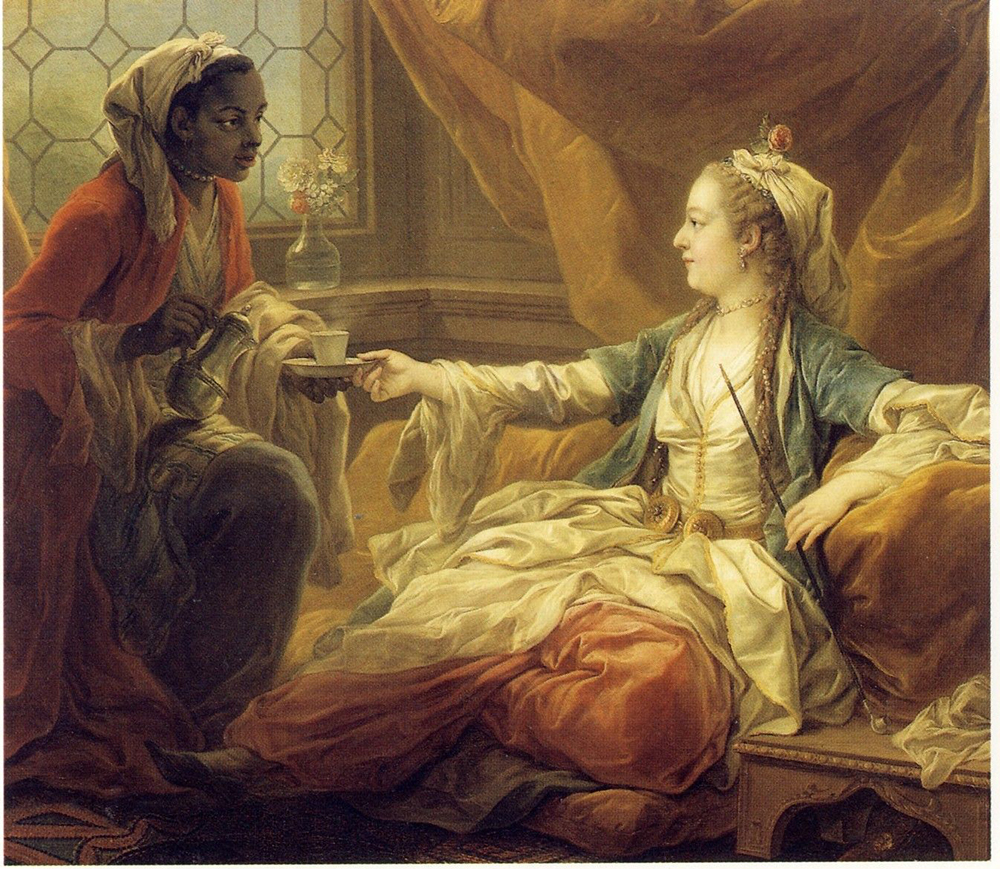
Note that the above painting is of the French King’s mistress Madame Pompadour dressed as a Sultana, 1755
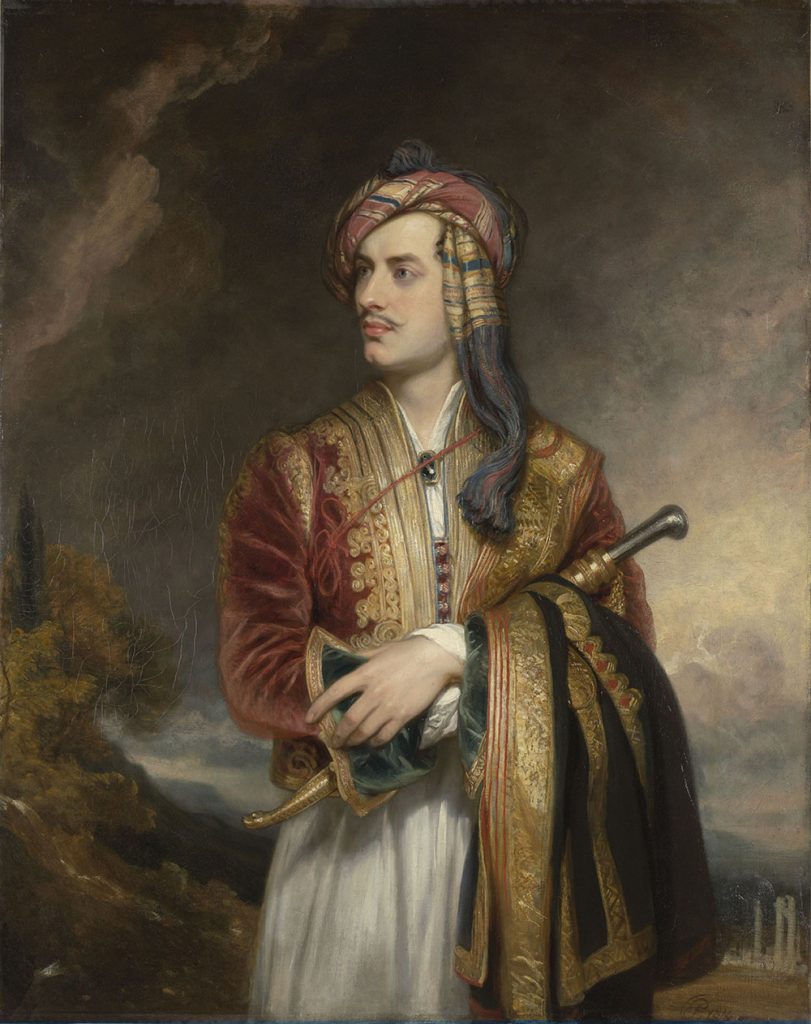
Lord Byron dressed as an Ottoman Royalty
Visit Pera Museum at https://www.peramuseum.org/