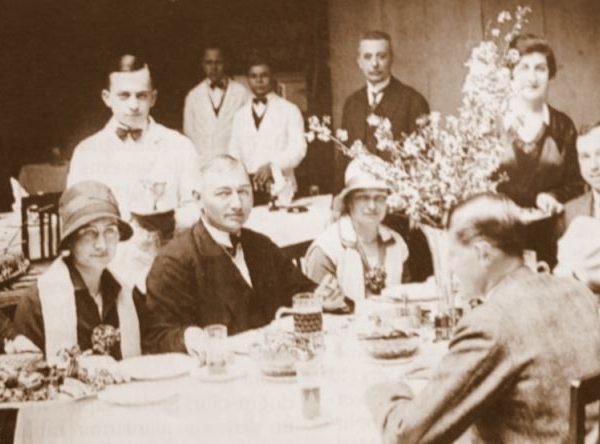

On a summer day in 1933, as the newly founded Turkish Republic sought to reinvent itself, a remarkable encounter took place in Ankara. A Jewish neurologist from Frankfurt, Philipp Schwartz, met with Turkey’s Minister of Education, Reşit Galip. Schwartz hoped to secure employment for three persecuted German scholars. He left seven hours later with positions for thirty.
That meeting would transform not only the lives of hundreds of refugee academics fleeing Nazism, but also the intellectual foundations of modern Turkey itself.
A Republic in Search of Knowledge
The Turkish Republic was barely a decade old. Emerging from the ruins of the Ottoman Empire, Mustafa Kemal Atatürk envisioned a modern, secular nation built upon education, science, and international exchange.

Atatürk’s visit to Istanbul University, 1933
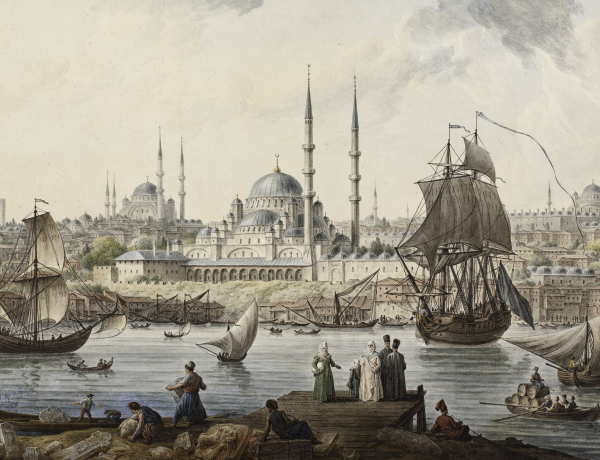
One of his most ambitious projects was the reform of the ancient Darülfünun—the Ottoman “House of Sciences”—into a contemporary research university. In 1933, the institution was reborn as Istanbul University.
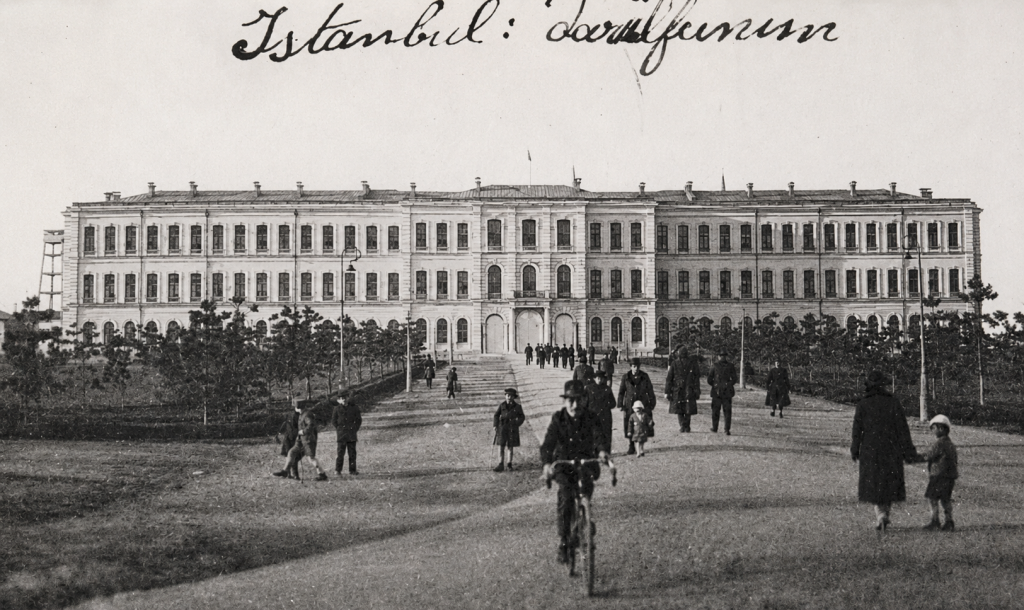
To guide this transformation, the government commissioned the Swiss educational expert Albert Malche. His report emphasized the urgent need for internationally recognized scholars. Yet attracting world-class academics to a young nation with limited resources seemed nearly impossible.
History, however, intervened with tragic irony.
The Nazi Purges and an Unexpected Haven
In April 1933, Germany enacted the Law for the Restoration of the Professional Civil Service, dismissing Jewish scholars, individuals with Jewish ancestry, and political dissidents from universities and public institutions.
Hundreds of professors, physicians, scientists, and artists suddenly found themselves unemployed—and increasingly unsafe.
Many eventually emigrated to Britain or the United States. Yet around three hundred found refuge in a far less expected destination: Turkey.
At a moment when Europe was closing its doors, Turkey opened hers.

Mustafa Kemal Atatürk visits Istanbul University on the 2nd of July 1933, just weeks before dozens of exiled German scholars who were Jewish refugees fleeing Nazi persecution would begin arriving to help build Turkey’s modern university.
Front pages in Turkish newspapers welcomed the arrival of the new professors. Their contracts offered respectable salaries, academic freedom, and, perhaps most importantly, safety for their families. For many Jewish intellectuals, Istanbul and Ankara became places not merely of exile, but of survival.

Istanbul University
Some would later describe Istanbul University as “the best German university” of the era—a poignant acknowledgment that intellectual life in Nazi Germany itself had been devastated by ideological persecution.
Building Modern Turkish Science
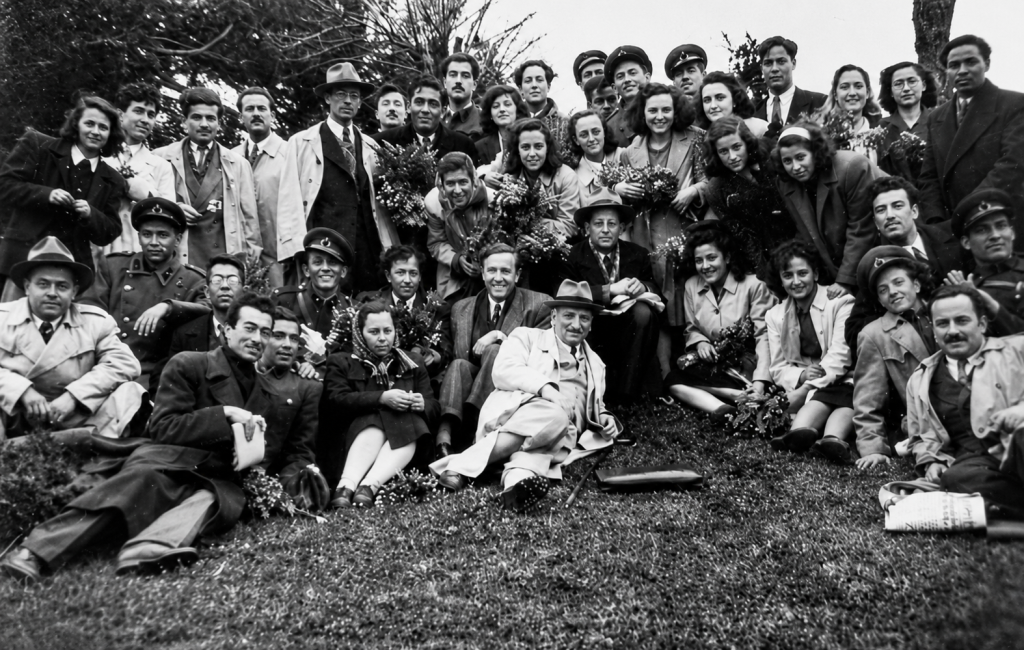
Prof. Heilbronn with his students at Istanbul University
By the end of 1933, there were a total of 42 Jewish academics at Istanbul University with the mission of establishing a modern University. The contribution of these émigrés reached far beyond individual classrooms.

Alfred Heilbronn with his wife in Istanbul
Alfred Heilbronn established the first modern scientific botanical garden in Turkey within the grounds of Istanbul University in 1935. Known as the Alfred Heilbronn Botanical Garden, it has functioned as a pioneering center for botanical research, education, and international seed exchange, introducing thousands of plant species to generations of Turkish scientists and students till 2018.
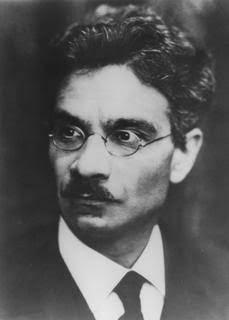
Erwin Finlay Freundlich (1885-1964)
Erwin Finlay Freundlich established the Astronomy Institute at Istanbul University and, together with Wolfgang Gleissberg, created Turkey’s first modern observatory and Turkish-language astronomy textbooks.
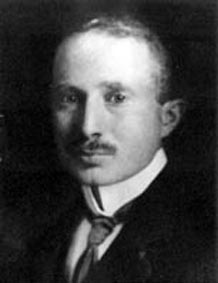
Harry Dember (1882 – 1943)
Experimental physicist Harry Dember reorganized physics education and continued his pioneering research on photoelectric phenomena.
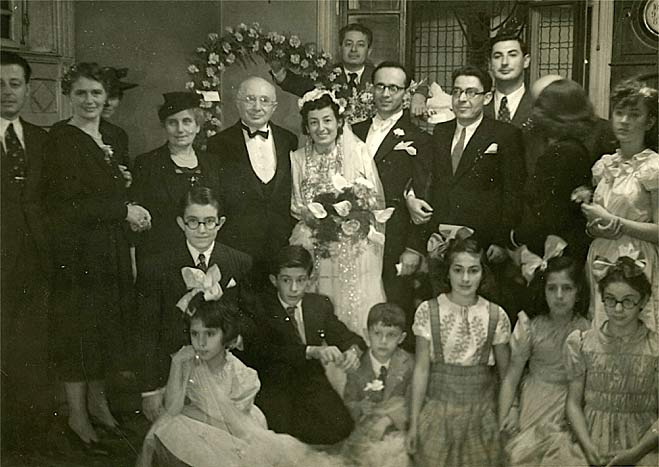
Professor Dember at the wedding of young academics Belkıs ve İhsan Özdoğan from his department at Istanbul University in 9th september, 1940.
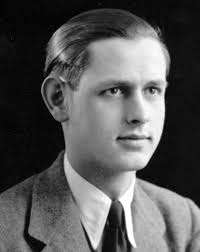
Fritz Arndt (1885-1969)
Chemist Fritz Arndt helped establish modern chemical education. Sociologist Gerhard Kessler laid the foundations for labor studies and contributed to Turkey’s first labor organizations.
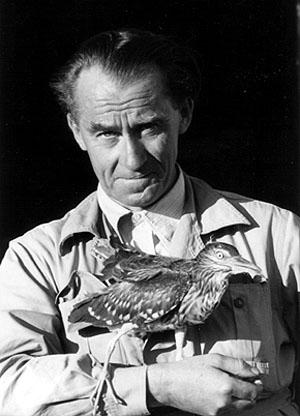
Curt Kosswig (1903-1982)
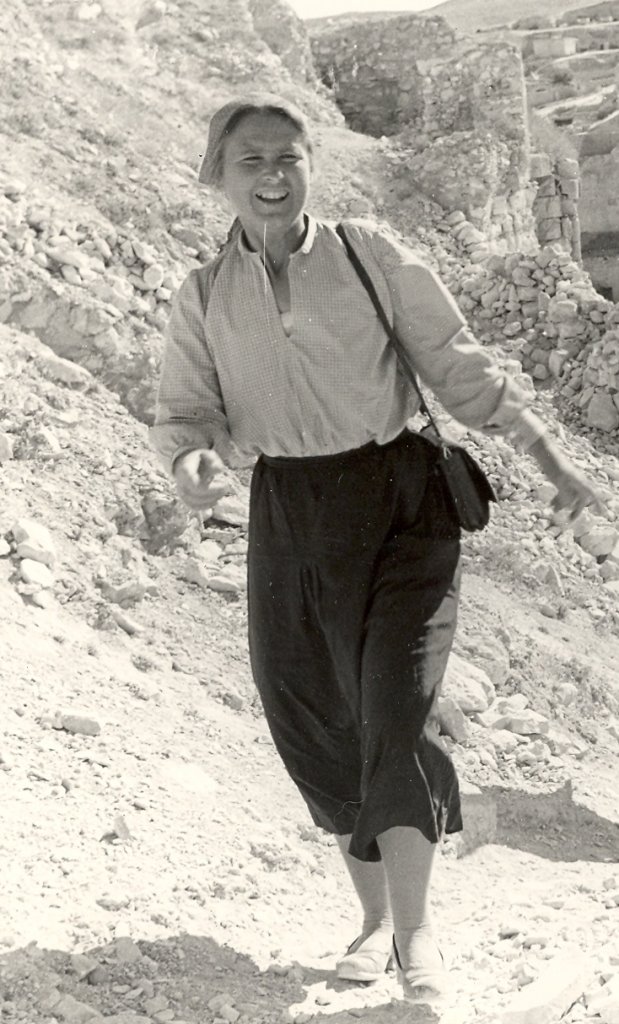
Leonora Kosswig (1904-1973)

Biology class at Istanbul University, 1937
Biologists Curt Kosswig and Leonore Kosswig transformed biological sciences and conservation efforts.

Hilda Geiringer (1893-1973)
Hilda Geiringer was the first woman to teach applied mathematics at a German university,. Her pioneering work in probability, statistics, and applied mathematics helped shape Istanbul University’s modern scientific identity.
As I researched the remarkable community of Jewish and anti-Nazi scholars who helped transform Istanbul University after 1933, I found myself asking a question as a psychologist: Were there any psychology professors among them? The answer is a fascinating one. The first psychologist invited was the distinguished Gestalt psychologist Adhémar Gelb, but illness prevented him from reaching Istanbul before his death in 1933.

Wilhelm Peters (1880-1963)
A few years later, in 1937, Wilhelm Peters arrived from Germany and went on to establish modern experimental psychology at Istanbul University, founding one of its first psychology laboratories and training a new generation of Turkish psychologists.
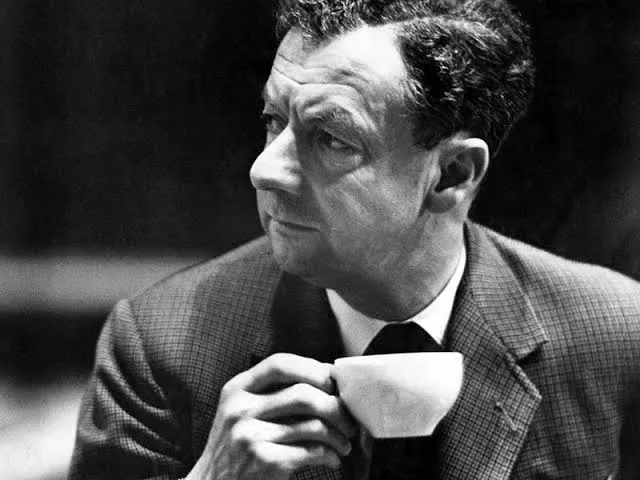
Erich Auerbach (1892-1957)
Among the émigré scholars who reshaped Istanbul University, few left a legacy as enduring as Erich Auerbach. A leading philologist and one of the founding figures of comparative literature, Auerbach arrived in Istanbul after being dismissed from his position in Nazi Germany because of his Jewish background. Living in Bebek and commuting each day to the university, he worked under modest conditions, far from the great research libraries of Europe. Yet it was in Istanbul that he wrote most of Mimesis: The Representation of Reality in Western Literature, widely regarded as one of the most influential works of literary criticism ever published. Drawing on remarkable erudition, memory, and the intellectual refuge that Turkey provided, Auerbach demonstrated that even in exile, scholarship could transcend borders and leave a lasting mark on the humanities.
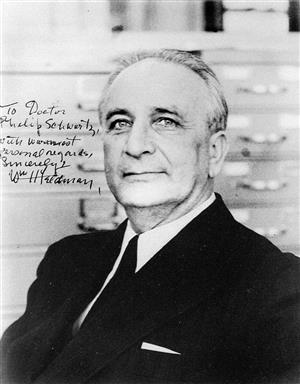
Philipp Schwartz (1894-1977)
And at the center of this remarkable story stood Schwartz himself, who became professor of pathology at Istanbul University and remained there for nearly twenty years.
These scholars did not simply continue their work in exile. They built institutions. They wrote textbooks in Turkish. They trained generations of students. They created disciplines that had scarcely existed in the country before.
Although only a handful of women were among the refugee scholars who arrived in Turkey, their presence helped inspire and educate a new generation of Turkish women scientists and academics. Figures such as Remziye Hisar, Turkey’s first female chemist; Türkan Rado, one of the country’s first women professors of law; and later pioneering women scholars across medicine, science, and the humanities benefited from the intellectual environment created by these émigré academics, becoming leading figures in the development of modern Turkish higher education.
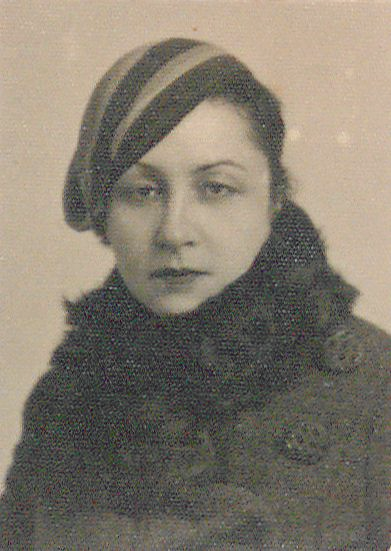
Remziye Hisar, who studied and worked in the intellectual circle shaped by the German émigré chemist Fritz Arndt at Istanbul University, became one of the pioneering women of modern Turkish chemistry.
Their legacy still echoes through lecture halls.
A Shared History of Exile
The story also carries a profound moral dimension.
The Ottoman Empire had welcomed Sephardic Jews expelled from Spain in 1492. Four centuries later, the Turkish Republic offered refuge once again—this time to Jewish intellectuals fleeing another catastrophe unfolding in Europe.
The circumstances were different, and the political realities more complex, but the symbolism remains powerful: a country in the process of defining itself chose, at a crucial historical moment, to embrace knowledge over exclusion.
Modern Istanbul University’s identity cannot be understood without acknowledging this encounter between Turkish modernization and European exile.
The university that exists today bears the imprint not only of Ottoman learning and Republican reform, but also of displaced Jewish scientists who carried entire intellectual traditions with them across borders.
Memory and Gratitude
Many of these émigrés eventually moved on to Britain or America. Others remained in Turkey for decades. Some died here and are buried on Turkish soil.
Yet their influence endured.
They trained physicians who established modern hospitals. They educated physicists, chemists, sociologists, and musicians. They introduced new methods of research, new standards of scholarship, and a cosmopolitan academic ethos that continues to shape Turkish higher education.
Their story reminds us that universities are not merely buildings or bureaucracies. They are communities of memory, exchange, and refuge.
In 1933, Turkey offered sanctuary to scholars in peril. In return, those scholars helped build one of the nation’s most enduring institutions.
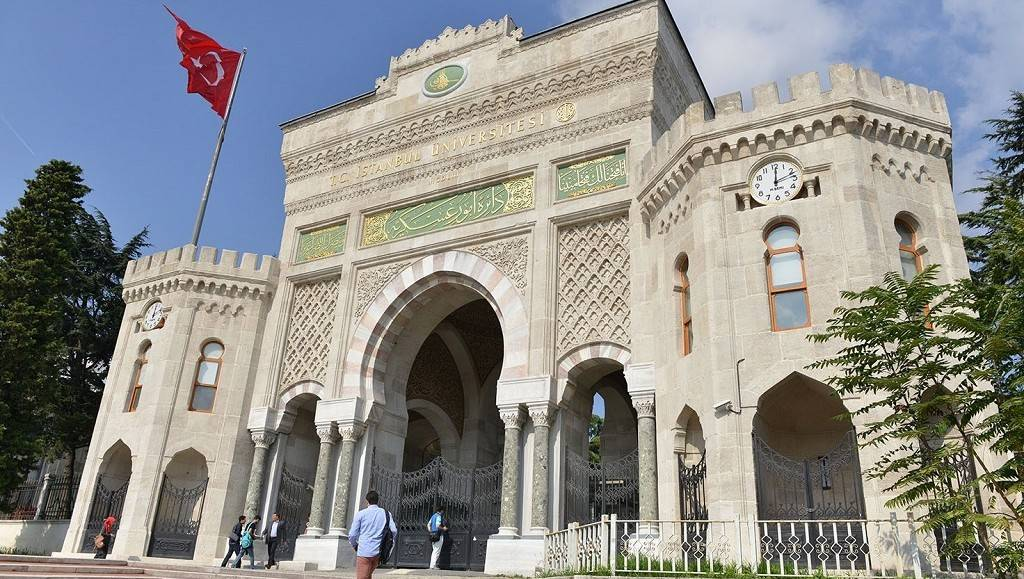
Istanbul University
Modern Istanbul University is, in no small measure, one of the great monuments to exile transformed into renewal—a living testament to what becomes possible when a society opens its doors to knowledge, even in humanity’s darkest hours.
Make sure to watch the documentary titled Haymatloz which depicts the story of these exiled scientists who found a safe haven in 1930’s Turkey!
This article is based on Andrew Grant”s article “The unlikely haven for 1930s German scientists” published in Physics Today (2018).
Visuals are taken from Physics today, Manifold.press, wikipedia.com, evrimagaci.com.
Video is embedded via YouTube and all rights belong to the respective rights holders.