
“My father, the Emperor Alexios, was the light of the Roman world. To preserve the memory of his deeds from the waste of oblivion, I took up my pen. May the words I write be a monument more enduring than bronze.”
Anna Komnene
Istanbul is a city that constantly surprises me. I have recently learnt that the first female historian in the world was a Byzantine Princess. A princess born and raised in the very city I currently live in. Her name is Anna Komnene born in 1083 in Constantinople. She had an extraordinary life story that shaped her as a princess as well as a writer and historian. Scholars consider her the first female historian whose work has survived full up to this day. Let’s dive into the world of this ancient princess from Constantinople who was a fierce intellectual, a brilliant scholar as well as a tragic figure.
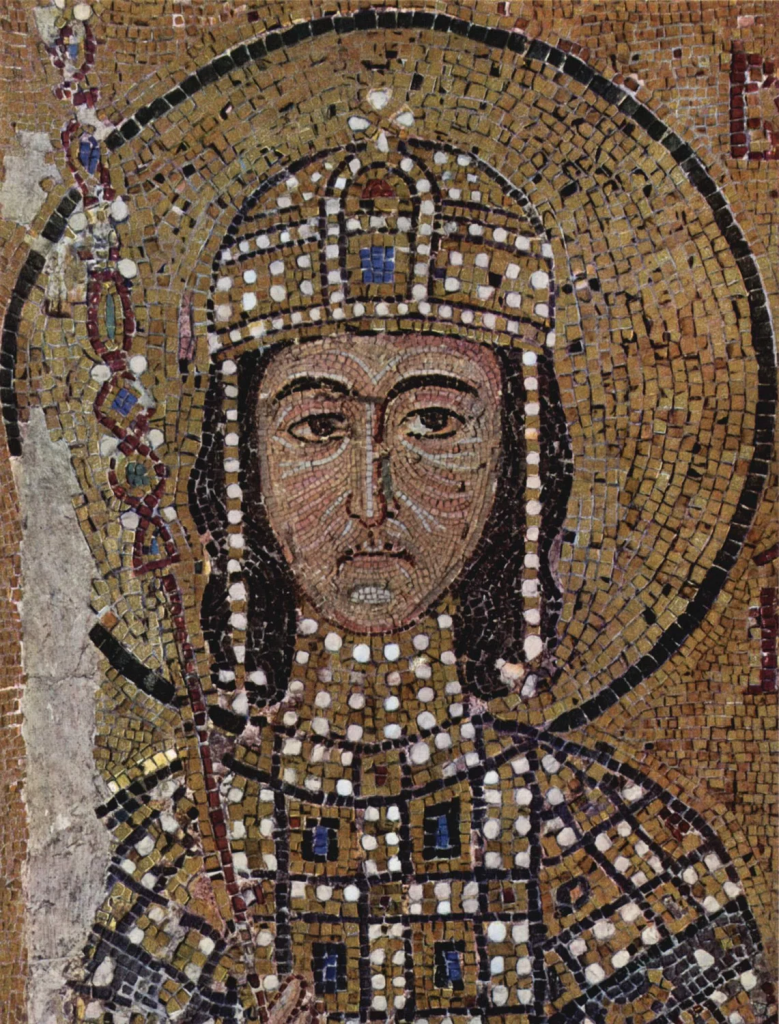
Alexios I Komnenos
Anna was the first child of Emperor Alexios I Komnenos and Empress Irene Doukaina. Her birth was celebrated as she was considered the heir apparent before her brother John was born years later. She grew up in the luxurious and intellectually charged atmosphere of the imperial palace, surrounded by scholars, theologians, physicians, and poets. From an early age, she displayed extraordinary intelligence and curiosity.
She received a superb classical education, rare even for Byzantine men at the time — studying philosophy, rhetoric, medicine, astronomy, mathematics, and theology. She was particularly drawn to Aristotle and the ancient Greek tradition, but also deeply immersed in Christian theology.
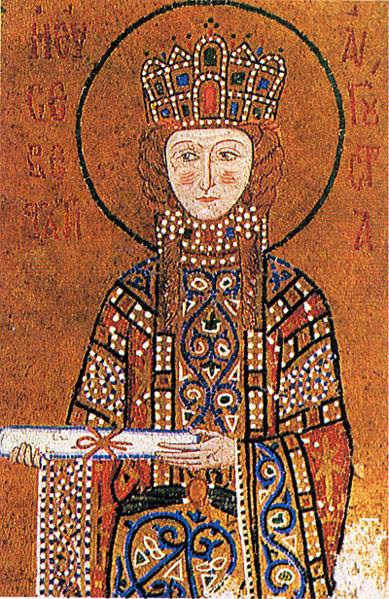
Empress Irene Doukaina
Anna was married to Nikephoros Bryennios, a learned nobleman and historian, as part of a political alliance. When her father Alexios I died, Anna and her mother allegedly conspired to overthrow her brother John II Komnenos and install her husband on the throne instead. The plot failed. John pardoned her, but Anna was stripped of her political privileges and banished to a convent — the Kecharitomene Monastery, founded by her mother.
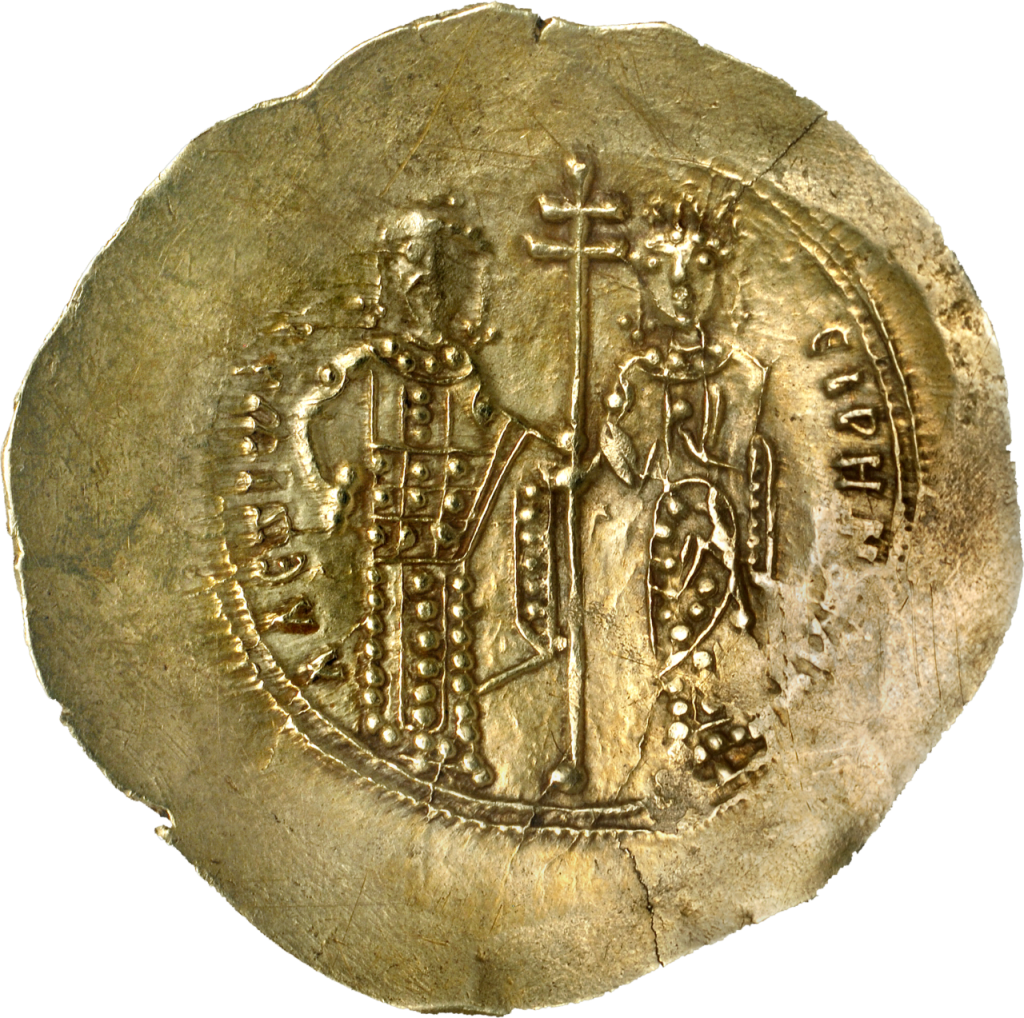
Byzantine coin depicting the reign of Emperor Alexios I Komnenos and Empress Irene Doukaina
In her intellectual exile, Anna turned her sharp mind and literary talent toward history. Her great work, the Alexiad, written in Greek, is one of the most important sources for the Byzantine Empire of the 11th and 12th centuries. It chronicles the reign of her father, Alexios I, covering the First Crusade and Western-European relations with Byzantium, the Norman invasions, the Turkish threat, and internal court politics and the restoration of imperial strength under the Komnenian dynasty. Historians say that Alexiad is one of the main sources about the Turkish presence in Anatolia after the 11th century and sometimes the only source for historical Turkish figures such as the first maritime general of Turks: Çaka Bey
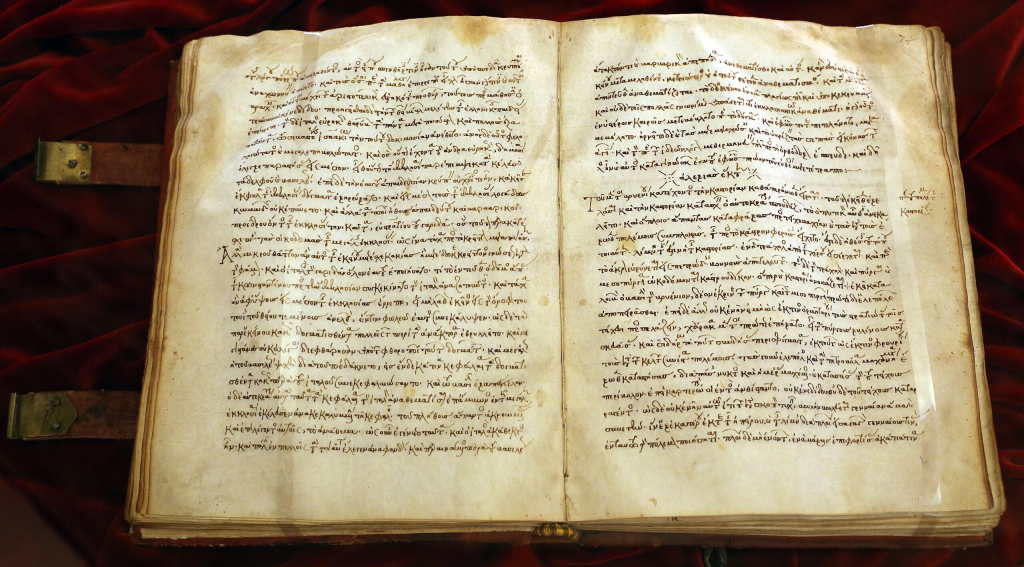
12th Century Manuscript of the Alexiad in Laurentian Library in Frenze, Italy
The Alexiad is remarkable not only as a historical account but also as a personal, passionate, and sophisticated literary work. Anna writes in an elaborate, classicizing Greek style, evoking Homer and Thucydides, while revealing her emotional loyalty to her father and bitterness toward her political fate.
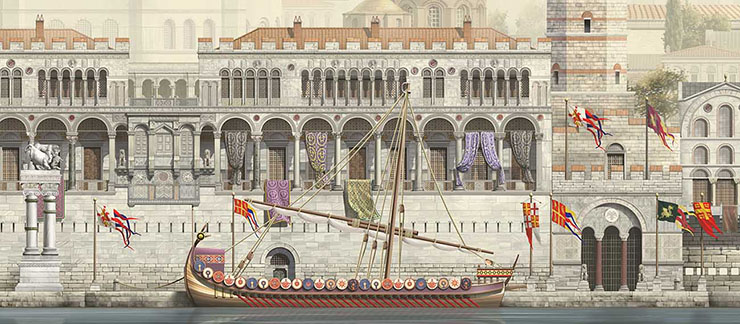
Byzantine Constantinople, 12th century reconstruction
She portrays herself as a historian guided by reason and evidence, but also as a daughter reclaiming her father’s glory. Through her, we get an unusually intimate window into both imperial psychology and female authorship in the Middle Ages.
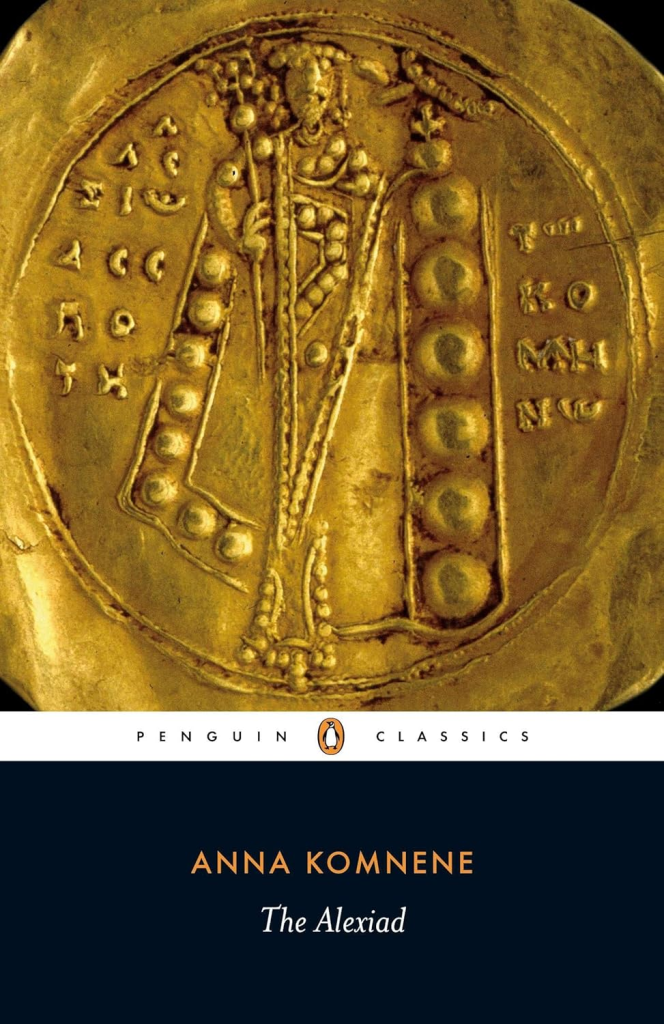
Her Alexiad preserves the last confident voice of imperial Byzantium before the city’s decline. Her words belong to a time when the empire still saw itself as the shining heir of Rome, rich in faith, intellect, and continuity.
When the crusaders sacked the city in 1204, they destroyed much of that world — including libraries, art, and memory. Anna’s text, miraculously preserved, thus became an even more precious monument: the voice of Byzantium before the fall.
Her Alexiad remains a cornerstone for understanding Byzantine politics, the Crusades, and medieval intellectual life — filtered through a female consciousness that refused to be silenced. It is remarkable to think that Alexiad is still on the shelves in bookstores in modern Istanbul.
But living I died a thousand deaths.’
Anna Komnene
It is such as pity that we have no visual accounts of this Byzantine Princess who finishes her book saying that she lived a thousand deaths but only her words that sought to be more enduring than bronze!
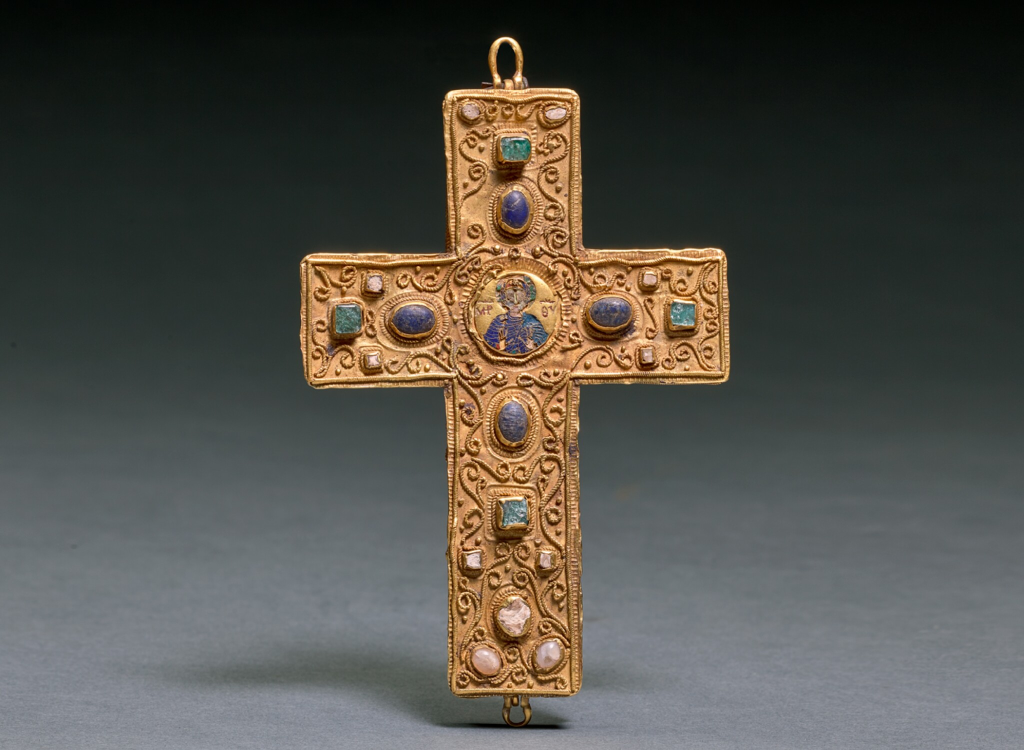
Byzantine Cross, 11/12th Century