

Istanbul is home to incredibly talented artitects and Han Tümertekin is one of them. Han Tümertekin’s architecture is inseparable from the rhythms of life. In his work, buildings are not isolated objects but extensions of the city, shaped by its history, culture, and human activity. In İstanbul, a city defined by its layers of memory, Tümertekin’s designs emerge as quiet dialogues with their surroundings, balancing respect for the past with the needs of the present.

Detail from Rami Library
A hallmark of his approach is adaptive reuse. Rather than erasing history, his projects uncover the latent potential of existing structures, breathing new life into them while preserving their original logic. The transformation of the Rami Barracks into the Rami Library exemplifies this approach.
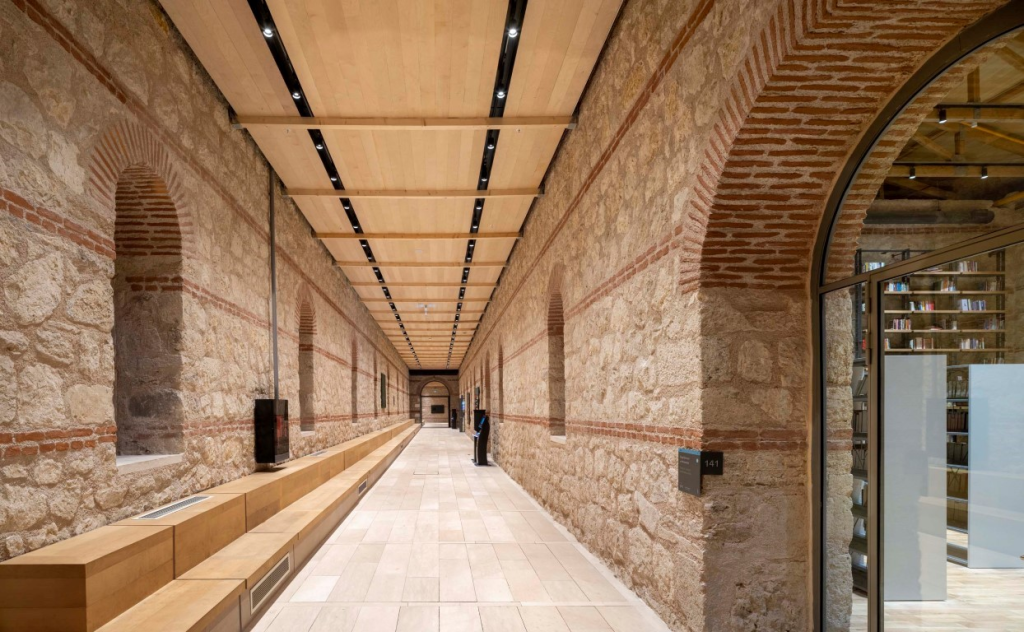
Detail from Rami Library
The monumental scale and spatial rhythm of the 19th-century military complex are maintained, yet the building now functions as a vibrant public library and cultural hub. Spaces for reading, research, and communal learning are carefully woven into the old structure, creating an environment that encourages both reflection and interaction.
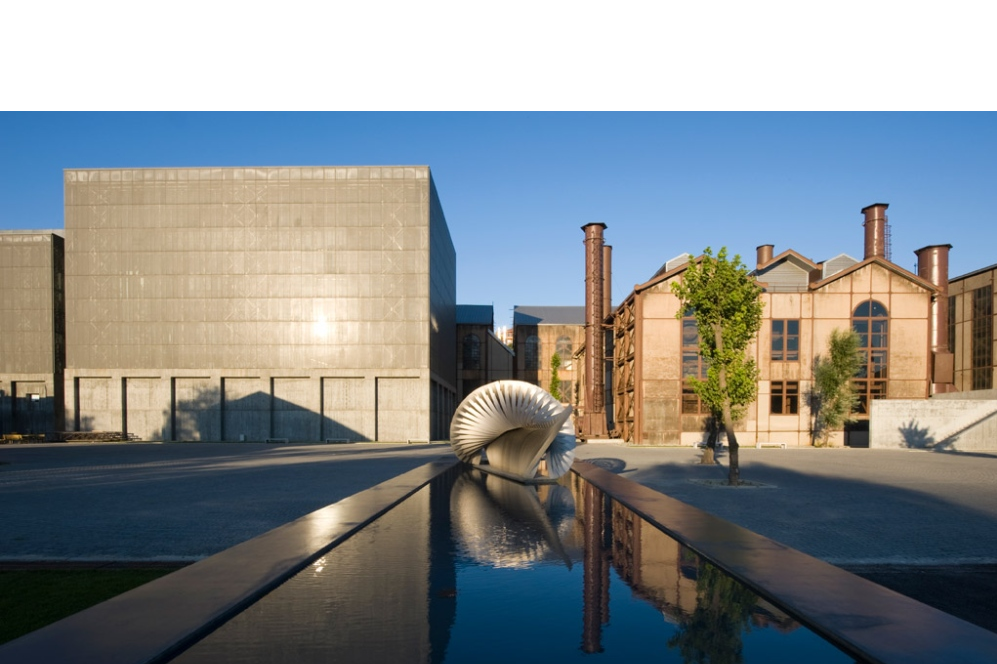
Santral İstanbul which is home to Bilgi University
Han Tümertekin’s engagement with Santral İstanbul exemplifies his sensitivity to history and context in architectural design. In transforming the former Silahtarağa Power Plant into a cultural and educational hub, the project preserves the industrial character of the sprawling brick halls, steel frameworks, and iconic chimneys, while carefully introducing contemporary functions. Tümertekin’s interventions emphasize human scale and spatial continuity, ensuring that the vast interiors feel accessible and inviting rather than monumental or alienating. Classrooms, galleries, and performance spaces are integrated into the original structure in a way that respects the building’s past while activating it for present-day use. The surrounding grounds, once purely functional industrial space, have been opened as public areas that encourage social interaction, leisure, and reflection. Through this project, Tümertekin demonstrates how architecture can mediate between history and modernity, turning an industrial relic into a living, public environment that resonates with İstanbul’s layered identity.
Similarly, the revitalization of the Bomonti Brewery demonstrates how industrial heritage can be reinterpreted for contemporary urban life. The brewery’s early 20th-century buildings retain their industrial character while hosting cultural events, exhibitions, and social gatherings. In this way, the architecture becomes a bridge between past and present, fostering a sense of continuity and connection within the city.
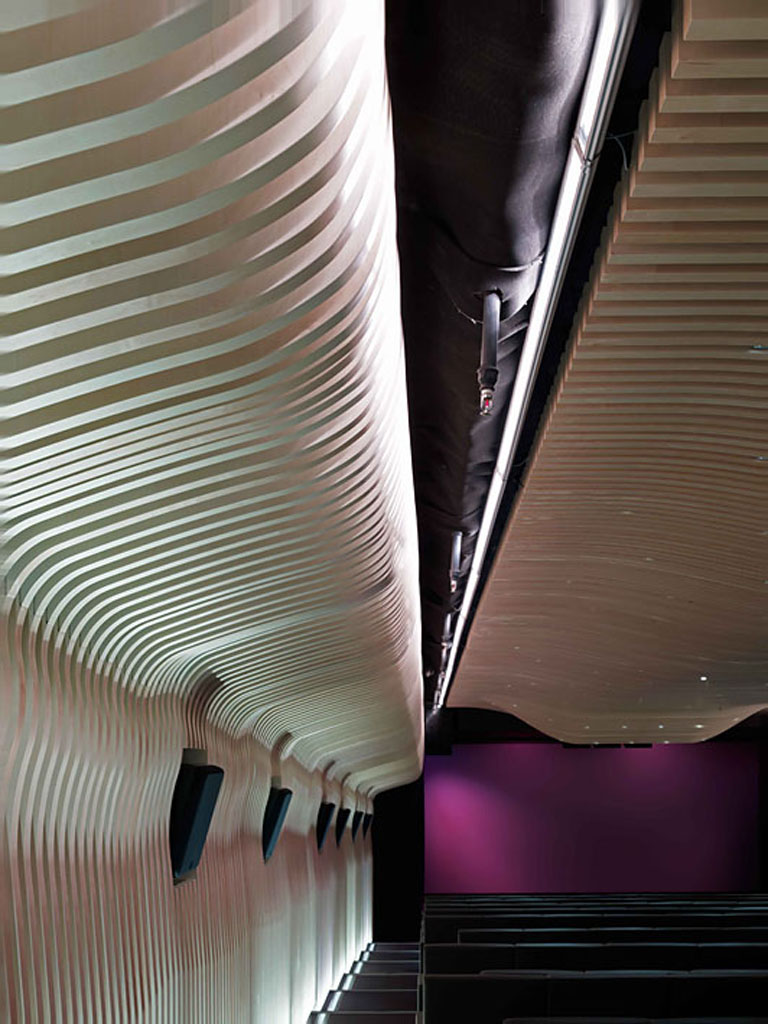
Detail from SALT Galata
Projects like SALT Galata further illustrate Tümertekin’s sensitivity to context. The former Ottoman Bank headquarters was transformed into a cultural institution, maintaining historical layers while introducing spaces for new artistic and civic activities. In all these works, his designs respond to İstanbul’s complex urban fabric, emphasizing public engagement, accessibility, and a profound respect for history.

Detail from SALT Galata
What distinguishes Tümertekin’s architecture is its ethos of integration. The city is never a backdrop but an active participant in design. His buildings do not seek to dominate the streetscape but to enhance the human experience within it. They are attentive to light, scale, and movement, creating spaces where people can inhabit, reflect, and connect. In İstanbul, where every corner carries centuries of stories, this approach allows architecture to feel lived-in, rooted, and continuous.
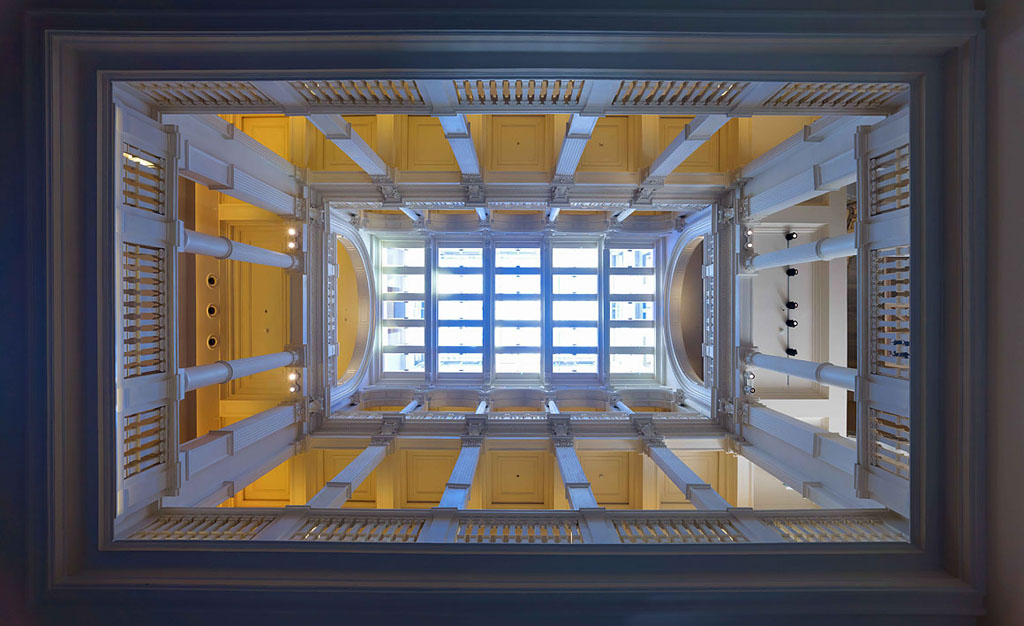
Detail from SALT Galata
Through his work, Han Tümertekin demonstrates that architecture is not merely about constructing structures but about shaping relationships—between people and space, past and present, memory and daily life. In İstanbul, his designs stand as reminders that buildings can be both vessels of history and active contributors to contemporary urban life, quietly shaping the city’s ongoing story while remaining inseparable from the rhythms of everyday life.
Note that the video is embedded via YouTube and all rights belong to the respective rights holders.