
Walking through the streets of Istanbul, one might notice small, intricately designed boxes attached to building facades, minaret walls, or rooftops. These are birdhouses, locally called kuş evi, and they are far more than quaint architectural curiosities—they are a reflection of the city’s centuries-old relationship with nature, faith, and urban life.
The tradition of installing birdhouses in Istanbul dates back to the Ottoman era, particularly the 17th and 18th centuries. Sultans, scholars, and wealthy citizens would commission these small wooden or stone structures to provide shelter for birds. The purpose was both practical and spiritual. From a practical standpoint, birdhouses offered urban birds a safe haven amidst the crowded cityscape. Spiritually, Islam encourages kindness toward all living creatures, and the Prophet Muhammad’s teachings include respect and care for animals. In this context, erecting birdhouses was considered an act of charity, done to earn blessings and goodwill.
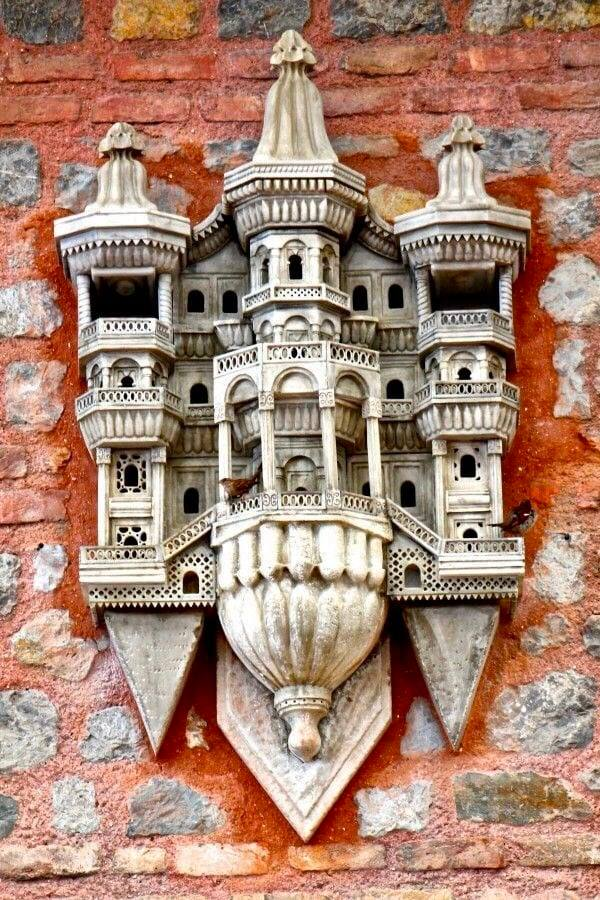
Architecturally, Ottoman birdhouses were often elaborately decorated, reflecting the same care and aesthetic sensibility applied to mosques, fountains, and palaces. Some were miniatures of grand Ottoman mansions, complete with tiny windows, domes, and ornamental carvings. While small, they represented an intersection of art, devotion, and urban ecology.
For Istanbulites, birdhouses have long been a symbol of the city’s humanity and cultural identity. In a city of constant bustle and dense neighborhoods, these delicate structures provide a reminder of the softer side of urban life—of coexistence with nature and the moral imperative to care for it. Even today, seeing sparrows or pigeons peering out of these tiny homes connects modern residents to centuries of tradition, offering both aesthetic pleasure and a moment of quiet reflection amidst the city’s vibrant chaos.
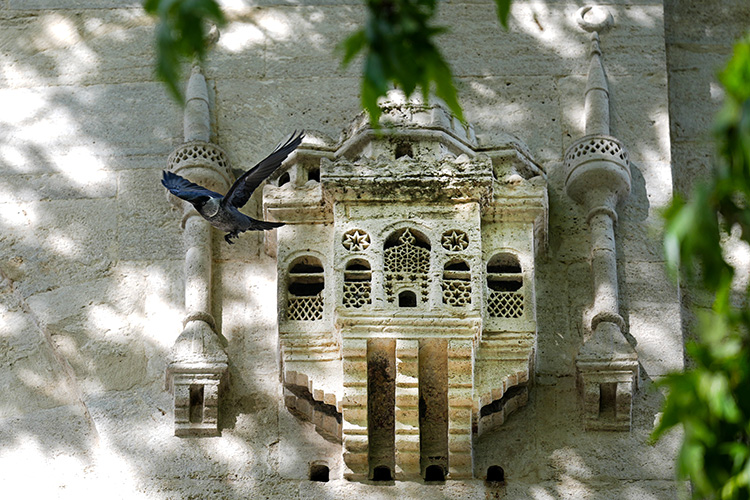
In contemporary Istanbul, the tradition continues, though often adapted to modern materials. NGOs and community initiatives have revived the practice, installing birdhouses in parks, along waterfronts, and on apartment balconies. For locals, maintaining this tradition is not only about preserving wildlife but also about keeping a piece of the city’s poetic past alive.
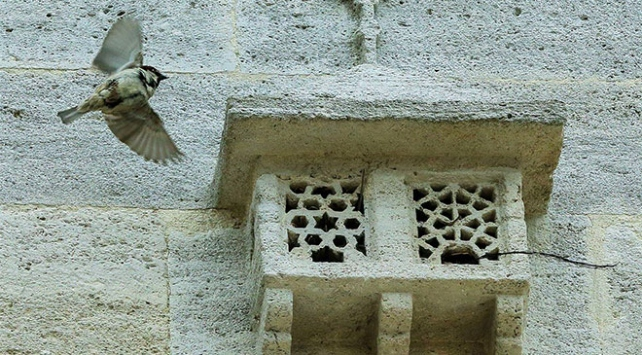
Ultimately, Istanbul’s birdhouses are more than mere shelters for birds—they are small monuments of kindness, art, and history, silently narrating the city’s layered cultural tapestry to anyone who pauses long enough to notice.
Note that the video is embedded via YouTube and all rights belong to the respective rights holders.