
Few writers have captured the melancholy beauty of Istanbul’s transformation from imperial capital to modern metropolis as vividly as Irfan Orga. Although he is best known for his memoir Portrait of a Turkish Family, Orga’s posthumously discovered novel Dark Journey: The Legend of Kamelya and Murat reveals another side of his literary imagination, one darker, more tragic, and deeply concerned with the hidden wounds of family life. Together, these two books offer complementary visions of Istanbul: one through memory, the other through mythic fiction.

Born in 1908 in Istanbul, Irfan Orga witnessed one of the most dramatic periods in Turkish history. His childhood coincided with the final years of the Ottoman Empire, and his early adulthood unfolded during the turbulent birth of the Turkish Republic. These upheavals would shape his writing for the rest of his life. Living much of his later life abroad, Orga remained haunted by the city of his birth. His works are permeated by nostalgia, loss, and an abiding fascination with the ways history reshapes individual destinies.
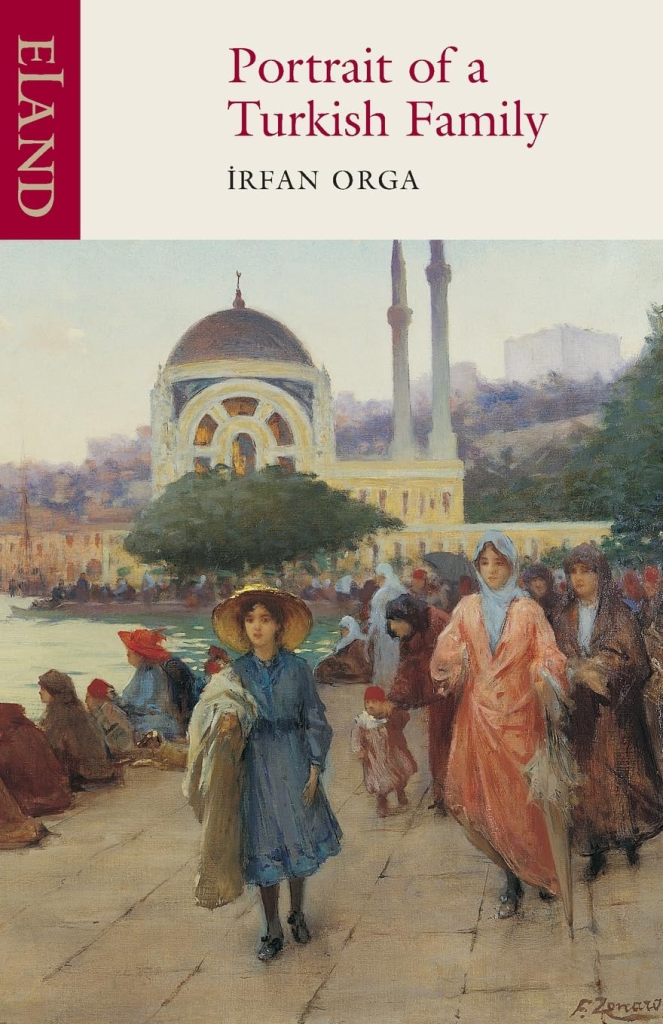
Published in 1950, Portrait of a Turkish Family is often regarded as Orga’s masterpiece. Part memoir, part social history, it chronicles the decline of an affluent Ottoman family as the empire collapses around them. Through the eyes of a sensitive child, readers witness the gradual disappearance of a world defined by tradition, ceremony, and hierarchy. The book’s power lies in its intimate perspective. Rather than presenting political events from the viewpoint of statesmen or generals, Orga reveals how ordinary lives are transformed by historical forces.
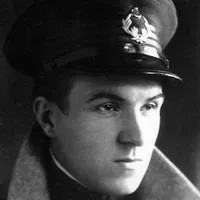
İrfan Orga (1908-1970)
Istanbul itself emerges as one of the memoir’s central characters. The city is portrayed not merely as a backdrop but as a living organism undergoing painful change. Wooden mansions overlooking the Bosphorus, bustling markets, religious ceremonies, and family gatherings all become fragments of a disappearing civilization. As the old order dissolves, Istanbul becomes a city suspended between memory and modernity. Orga’s prose captures this transition with remarkable tenderness, transforming personal recollection into a universal meditation on loss.

Bosphorus coastline at the turn of the 20th century
If Portrait of a Turkish Family is a work of remembrance, Dark Journey ventures into the realm of tragedy. Discovered among Orga’s papers decades after his death and published posthumously, the novel centers on Kamelya, a young widow whose struggle for survival leads her into a series of increasingly destructive choices. Her relationship with her son Murat forms the emotional core of the narrative. As the story unfolds, family bonds become entangled with secrecy, longing, resentment, and fate.
The Istanbul of Dark Journey differs markedly from that of the memoir. Here the city is darker and more unforgiving. Poverty, social prejudice, and isolation shape the characters’ lives. Yet the city remains deeply present. Its streets, neighborhoods, and social divisions create the atmosphere in which the tragedy unfolds. Whereas the memoir’s Istanbul is illuminated by the glow of remembered childhood, the novel’s Istanbul is shadowed by desire and despair.

A glimpse at Old Istanbul by Ara Güler
Despite their differences, the two books share striking thematic concerns. Both examine families under pressure. Both explore what happens when larger historical or social forces disrupt intimate relationships. Most importantly, both reveal Orga’s fascination with the fragility of human happiness. Whether describing the collapse of an empire or the breakdown of a family, he portrays individuals struggling to preserve dignity amid circumstances beyond their control.
Reading the two works together offers a unique perspective on Istanbul itself. In Portrait of a Turkish Family, the city is the stage upon which a civilization takes its final bow. In Dark Journey, it becomes a labyrinth through which damaged souls search for redemption and belonging. One book looks backward toward a lost world; the other descends into the psychological depths concealed beneath everyday life. Together they form a literary diptych of a city caught between history and destiny.
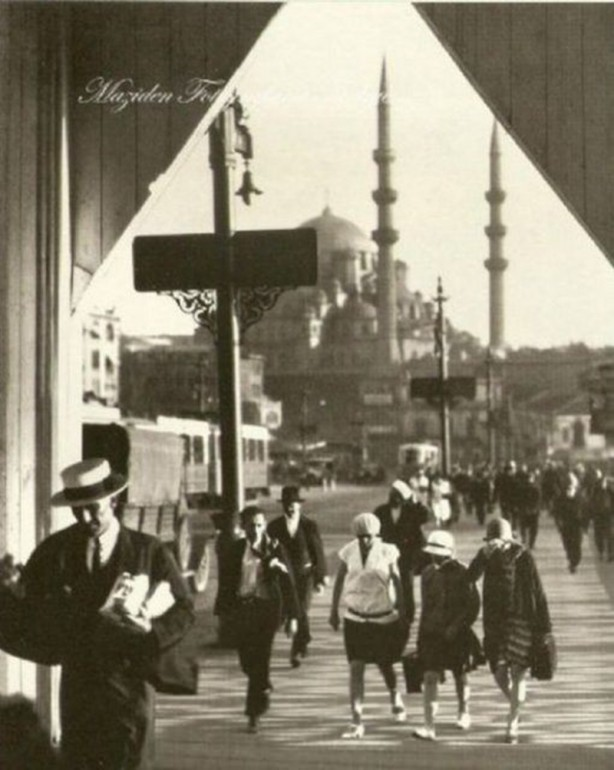
Istanbul, 1920s
Today, Irfan Orga remains a somewhat overlooked figure in twentieth-century literature. Yet his writing possesses a rare quality: the ability to transform Istanbul from a geographical location into an emotional landscape. His city is not merely a collection of streets, monuments, and waterfronts. It is a repository of memory, longing, grief, and resilience. Through both memoir and fiction, Orga invites readers to encounter Istanbul not simply as it was, but as it felt to those who lived through its most profound transformations.
For readers interested in the psychological dimensions of family life, the historical passage from empire to republic, or the enduring mystery of Istanbul itself, Portrait of a Turkish Family and Dark Journey remain compelling companions. Together they reveal a writer who understood that cities, like people, carry their histories within them and that the deepest journeys are often those that lead into the shadows of memory.