
We can emulate Orpheus and sing on in the face of horror, and not stop singing until the tide turns, and a better day begins.”
― Salman Rushdie
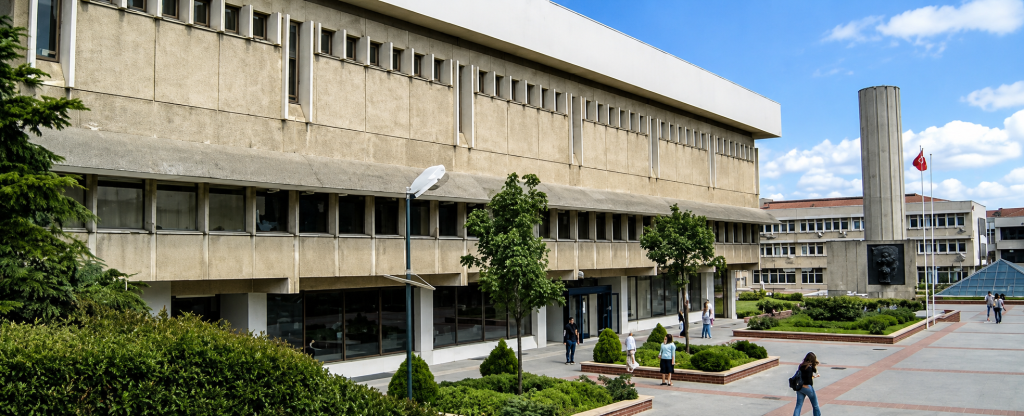
Few institutions in Turkey have embodied the ideals of academic freedom, architectural integrity, and intellectual enlightenment quite like Boğaziçi University. At the heart of this legacy stood the Aptullah Kuran Library—named after the university’s esteemed founding rector, architectural historian, and visionary. More than just a repository of volumes, it was a living cathedral of thought, a sanctuary built through decades of scholarly devotion, international exchanges, and deeply personal family legacies.
Today, that intellectual lighthouse has been reduced to an empty expanse of green grass. Its destruction marks not merely a loss of physical infrastructure, but a profound cultural wound inflicted upon Turkey’s academic heritage.
History and Significance
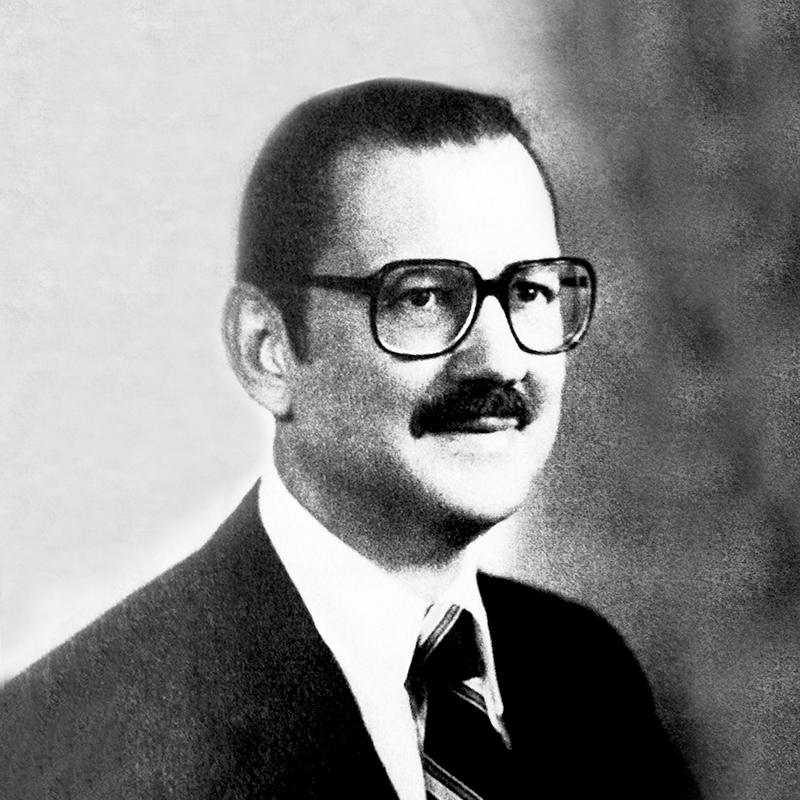
Aptullah Kuran (1927-2002)
The library’s roots trace back to the intellectual traditions of Robert College, evolving alongside the establishment of Boğaziçi University in 1971. Aptullah Kuran, serving as the institution’s first rector, helped shape a campus culture deeply committed to modern, pluralistic, and globally engaged education.
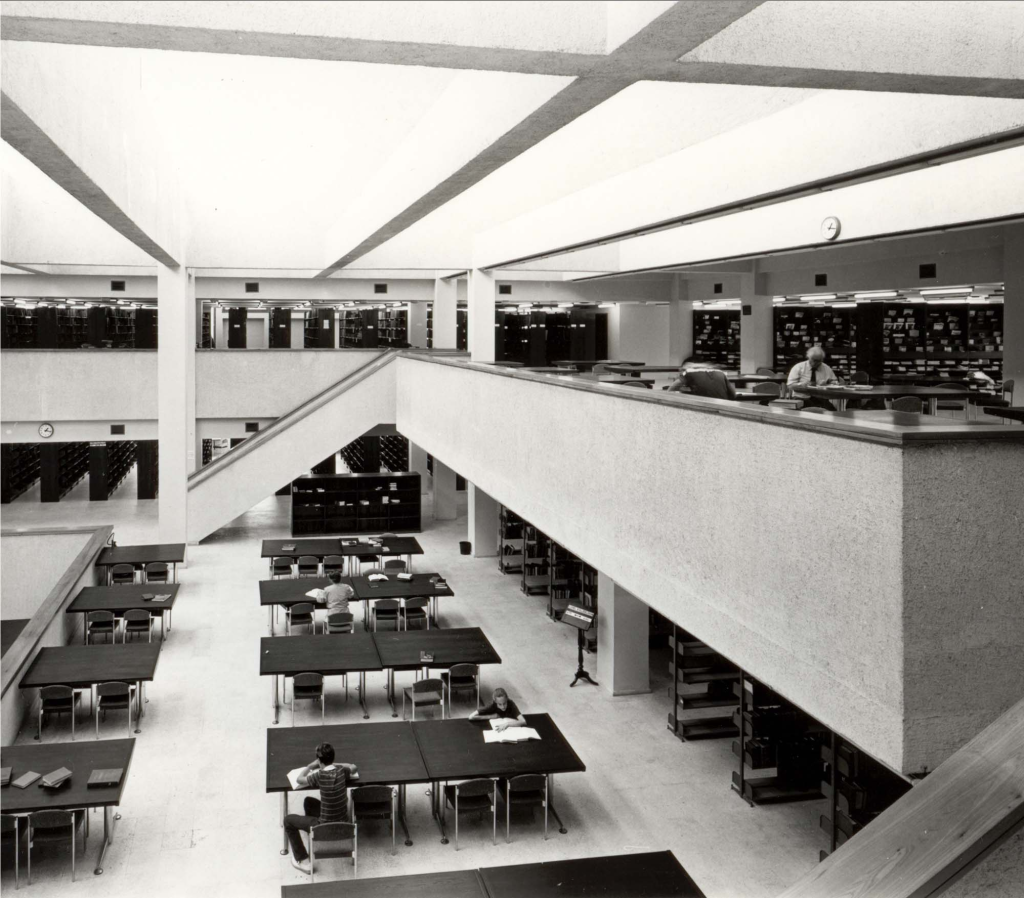
A view of Boğaziçi University’s Aptullah Kuran Library, photographed in 1979 during its inaugural year—a sanctuary built to house decades of history, knowledge, and student life.
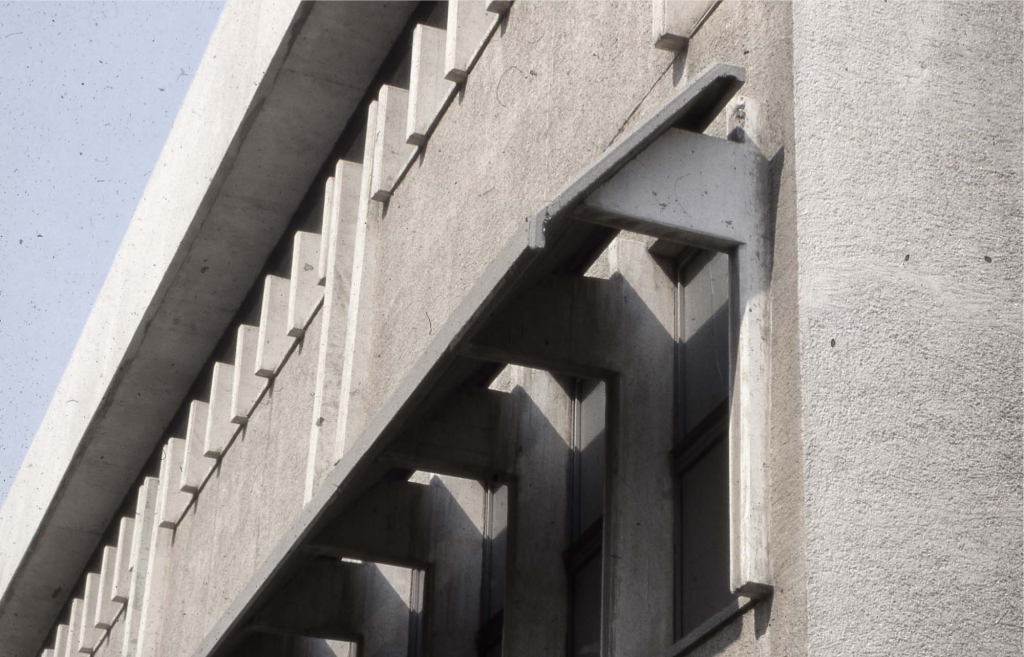
The library building itself was a masterpiece of thoughtful design, born from an architectural competition and built to house an ever-growing ocean of human knowledge. Over the decades, it grew to hold approximately 800,000 invaluable resources, serving generations of students, researchers, and faculty. It wasn’t merely a building filled with shelves; it was a dynamic intellectual hub where East met West, housing rare manuscripts, scientific journals, historical archives, and literature in dozens of languages. It was the beating heart of the campus—a space where intellectual futures were forged daily.
A Brutal Demolition and the Fate of 800,000 Books
Under recent administrations, particularly following controversial appointments that sparked prolonged campus resistance, the library became a target under the guise of “earthquake risk.” Rather than executing a transparent, preservation-focused relocation or rebuilding plan, the administration carried out a chaotic and heavy-handed demolition.
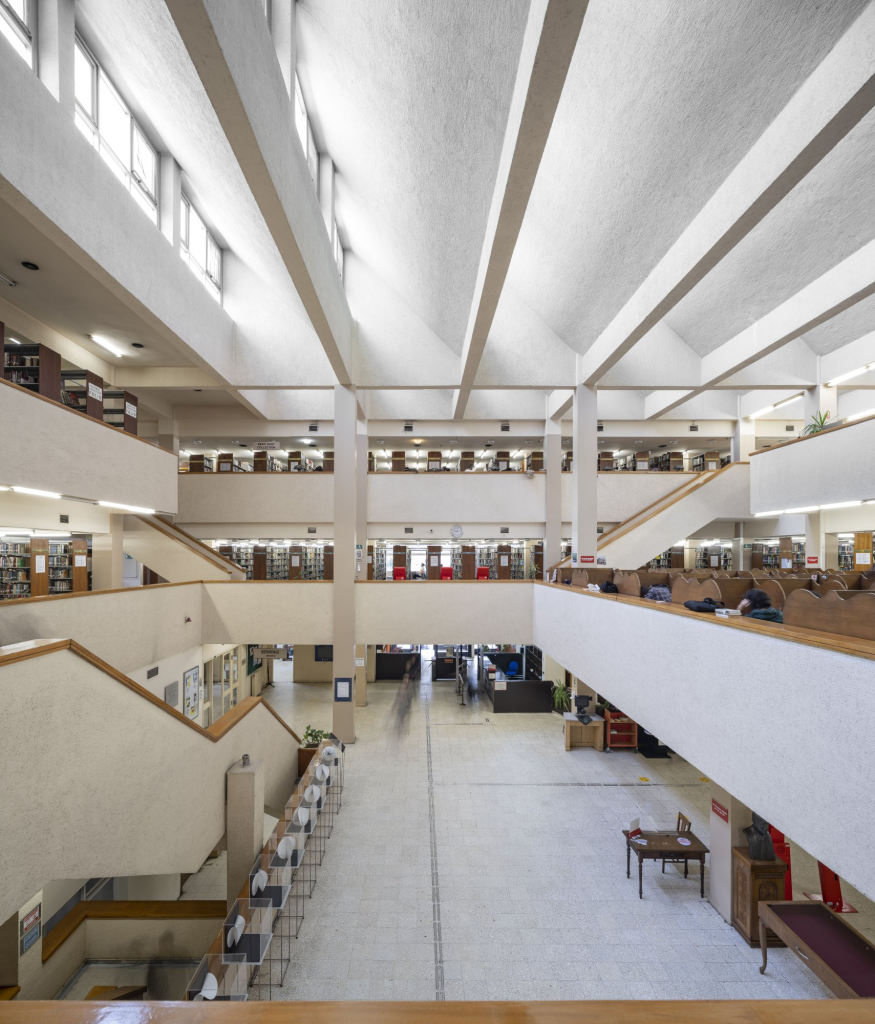
The fate of the library’s 800,000 holdings stands as a chilling testament to administrative negligence. The books were tossed about haphazardly, shuffled back and forth between campus depots and Kandilli, and in many cases, left exposed in makeshift, open-air storage facilities where dampness and rain began to systematically rot irreplaceable paper records. Academic staff and students who protested the reckless endangerment of Turkey’s literary heritage were met with administrative retaliation, while a structure that took half a century to build was torn down overnight.
A Personal Legacy Carried Away by Bulldozers
The tragedy of the Aptullah Kuran Library is woven deeply into personal histories of families who believed in the sanctity of education and memory.
Following the passing of my beloved father Mustafa Feridun Doğrusöz in 1989, a profound act of cultural stewardship took place. My mother and I made the heartfelt decision to donate hundreds of precious, rare volumes—spanning German, French, and Ottoman languages—to the Boğaziçi University Library.
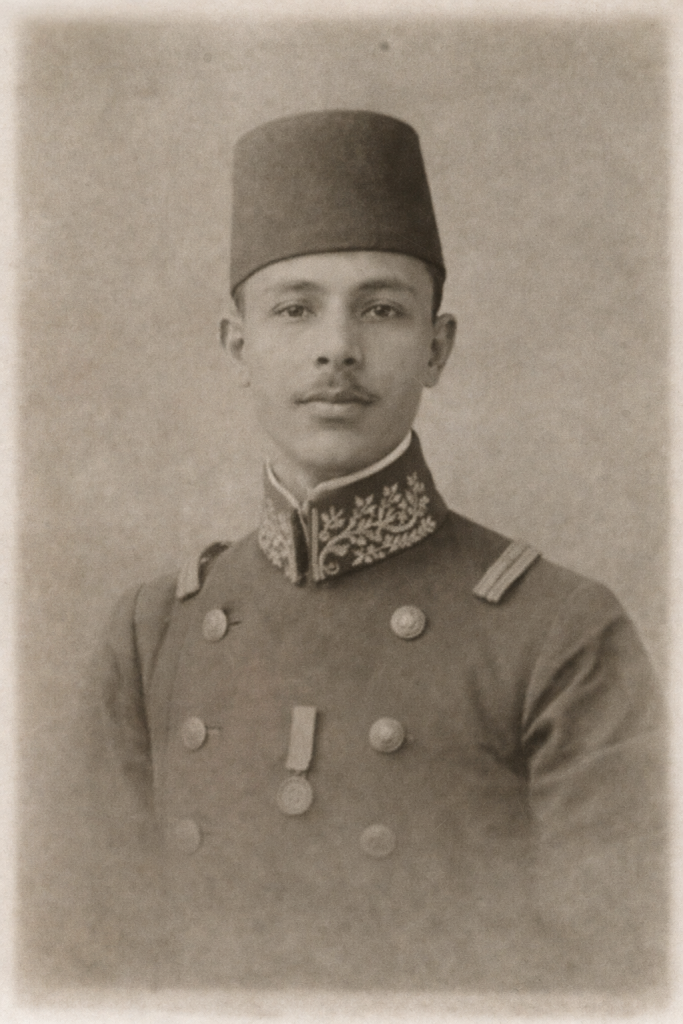
My paternal grandfather Ali Fehmi Doğrusöz
These books carried an extraordinary lineage. They had belonged to my paternal grandfather, Ali Fehmi Doğrusöz, a distinguished commander-in-chief who fought valiantly in the Battle of Çanakkale (Gallipoli) and throughout the Turkish War of Independence. These weren’t just old books; they were physical fragments of a nation’s birth, curated by a military hero who helped secure the Republic, entrusted to a university to educate future generations. To know that such irreplaceable heirlooms—imbued with the memory of a Çanakkale commander and a family’s grief and hope—were subjected to the chaos of open-air storage and administrative vandalism is a heartbreak beyond words.
The Void: From Sanctuary to Empty Grass
Today, if you walk onto the campus where the Aptullah Kuran Library once stood, you are met with a jarring and surreal emptiness: a vast, silent expanse of green grass. Where quiet study halls, glowing reading desks, and centuries of accumulated wisdom once stood, there is now only a manicured lawn—a chilling symbol of a administration choosing erasure over enlightenment.
Adding insult to this cultural devastation was the fate of the monumental Atatürk mask that stood proudly in front of the library. Believed to be the largest Atatürk mask in all of Turkey, this iconic monument was brutally unseated and toppled by construction machinery during the demolition process. When faculty and students demanded accountability and video footage regarding how the founding father’s monument was dragged down, the administration met their inquiries with deflection and silence.
A Monument to What Was Lost
The destruction of the Aptullah Kuran Library, the scattering of its 800,000 books, the loss of priceless family donations like those from the library of Commander Ali Fehmi Doğrusöz, and the violent removal of Atatürk’s visage are not isolated incidents. They represent a systematic attempt to bulldoze the institutional memory and secular, intellectual identity of Boğaziçi University.
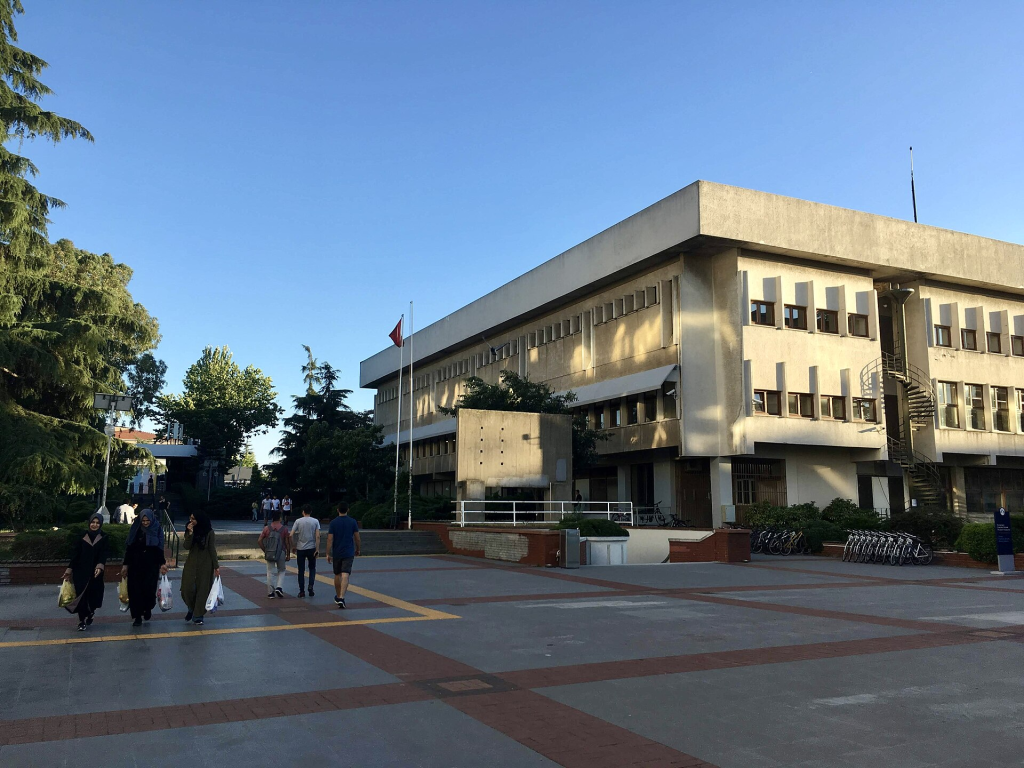
A patch of grass can be seeded over, but a civilization cannot grow on soil fertilized by the ashes of its own history. The empty lawn stands not as a modern upgrade, but as a monument to institutional vandalism—and a reminder of what those who value freedom and knowledge must never forget.
Visuals are taken from arkitera and wikipedia.
Video is embedded via YouTube and all rights belong to the respective rights holders.