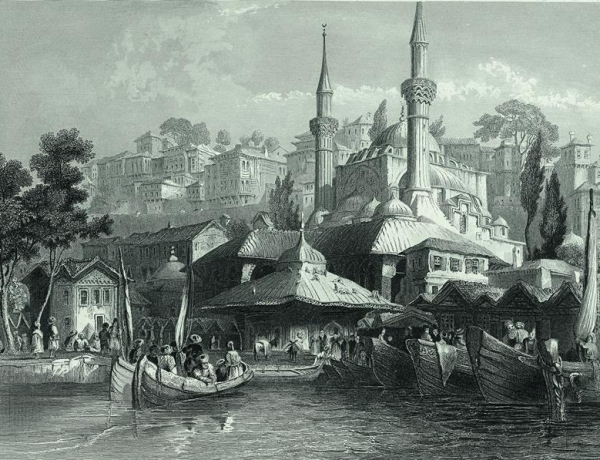

Some places in Istanbul do not survive as memory. They fade, fragment, and eventually fall silent. The Bakireler Anıtı (the Monument of the Virgins) in Süreyyapaşa belongs to this quieter category. Not preserved, but partially lost.
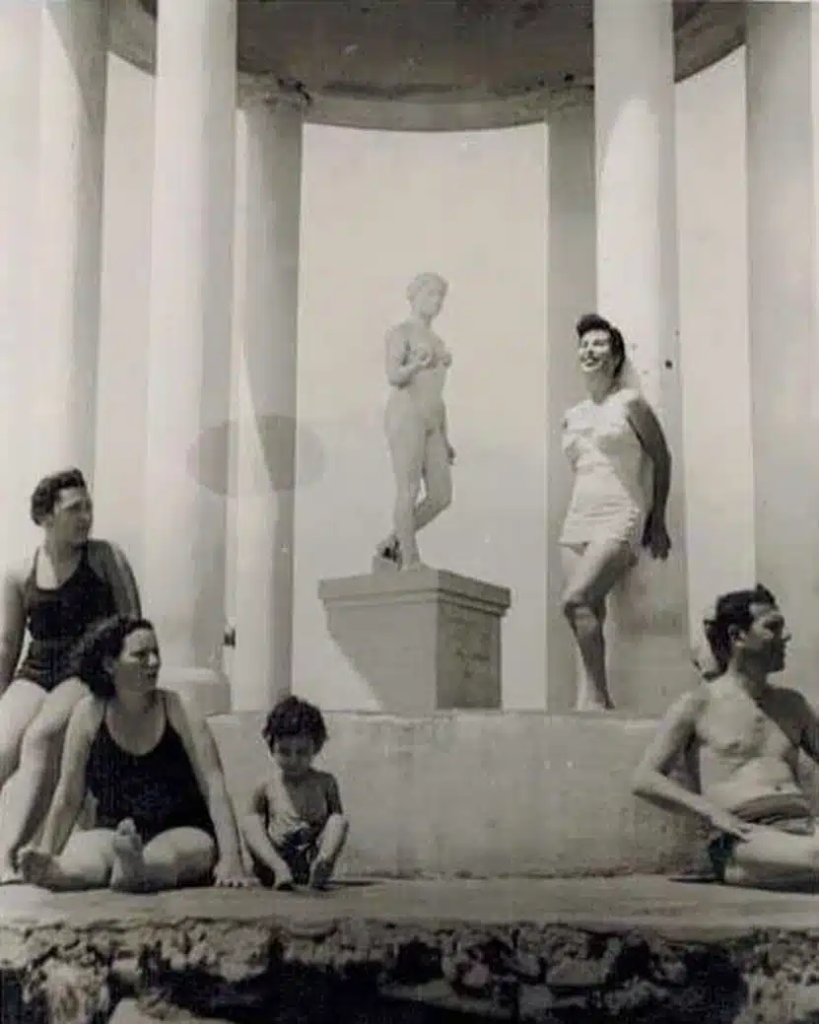
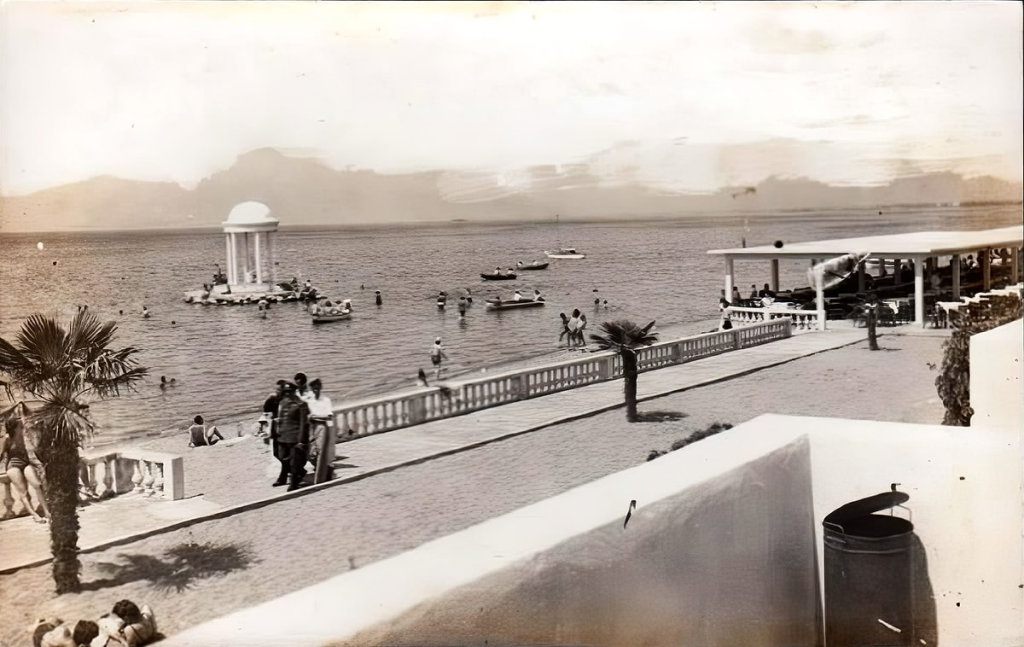
Built in 1953 by Süreyya İlmen as part of the once-elegant Süreyya Plajı, the monument originally stood in the sea, about fifty meters from the shore. A small, temple-like structure with six columns and a dome, it held at its center a statue of Venus: the figure of beauty, desire, and femininity.

I first learned of Süreyya Plajı from my mother, who once lived in a nearby neighbourhood. As a young girl, she spent summers there with her family and friends. In those days, Süreyyapaşa was adorned with elegant houses and generous, flourishing gardens.
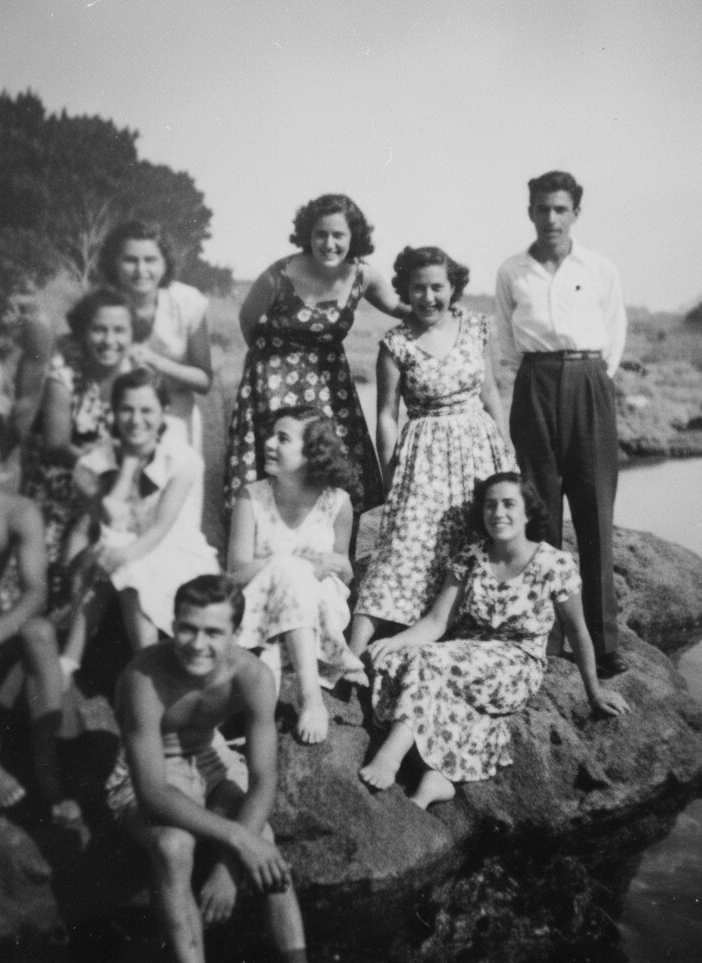
My mom (second on the right, standing) with her friends at Pavli Island, Pendik, 1950s (taken from our family album)
And the Monument of the Virgins was a symbol of Süreyya Plajı. Around the monument, a ritual formed. Young women would swim out to the monument, believing it might bring them love and enable them to find the man they would marry. Whether taken seriously or not, the gesture mattered. It gave the structure a life beyond stone. It became a point of movement, of hope, of repetition.

None of that remains.
The shoreline shifted. The sea receded. The monument was left behind, no longer surrounded by water but stranded inland, its context stripped away. The statue of Venus disappeared as well, stolen, removed, or simply neglected into absence. What was once the center is now an empty core.
And with this, something less visible also vanished.
Not just the object, but the continuity of experience—the swimmers, the belief, the small collective memory that once made the place legible. What remains today does not fully carry what was there before. It gestures toward it, but cannot restore it.
There is, however, one detail that quietly resists this erasure.

During restoration, the name of the sculptor emerged: Türkan Tangör. Her signature, long hidden at the base of the monument, surfaced decades later. A woman sculptor marking her work in mid-20th century Istanbul—her presence nearly lost, then unexpectedly found again.

This is the only portrait of Türkan Tangör I could find
It is a small recovery, but a meaningful one.
The Bakireler Anıtı now stands in a kind of suspended state—no longer what it was, not entirely remembered, not entirely gone. It does not offer a full story, only fragments: a structure without its sea, a pedestal without its figure, a ritual without its participants.
In this sense, it is less a monument than a trace.

And perhaps its final form reminds us how easily Istanbul learns to forget.

The Monument of the Virgins now stands inside a park, stripped of its figure of Venus, detached from the sea that once surrounded it, and from the young women who once gathered around it.
Visuals are taken from herumutortakarar.com and Onedio.