
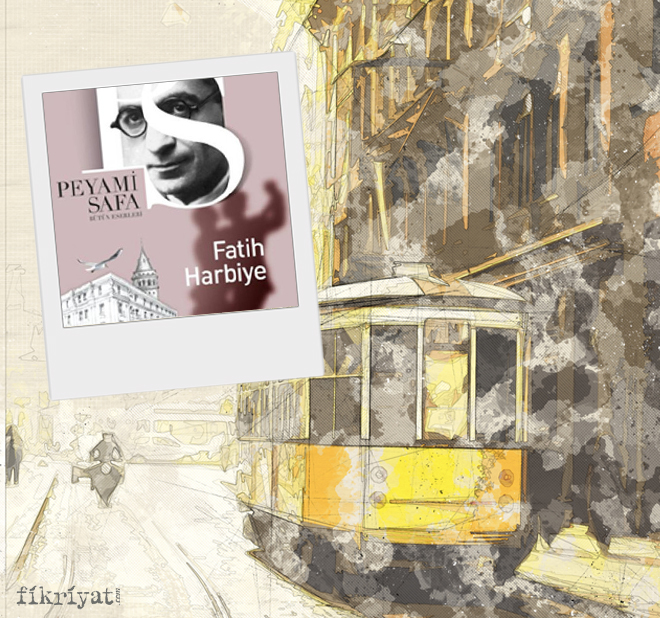
Visual taken from Fikriyat.com
İstanbul is literally a tale of two cities and it has always been so all throughout its Ottoman history. İstanbul has always been divided between the traditional neighbourhoods keen on religious practises and tradition such as Fatih in contrast to neighbourhoods like Beyoğlu and Şişli that represented and still represent modernity, secular and a western life style with its joie de vivre. Famous Turkish writer Peyami Safa had written a book titled Fatih Harbiye in 1931 talking about this divide that cut through the heart of the city dividing not only neighbourhoods but families, communities and sentiments.
The irony is that there are millions of İstanbulites in each side of the divide that had never been to the other side. Both sides seem to demonise the other, either fearing or ignoring the ‘other’. Being the curious person I am, I have been curious to see what is happening on the other side of the city where ultraconservatism dominates. There is one particular neighbourhood in İstanbul which is the heart of ultraconservatism and that is Çarşamba in Fatih. Çarşamba is a historic quarter within Istanbul’s Fatih district, located near the Fatih Mosque. It is such an irony that Fatih Sultan Mehmet who was a very progressive Sultan is buried in this mosque.
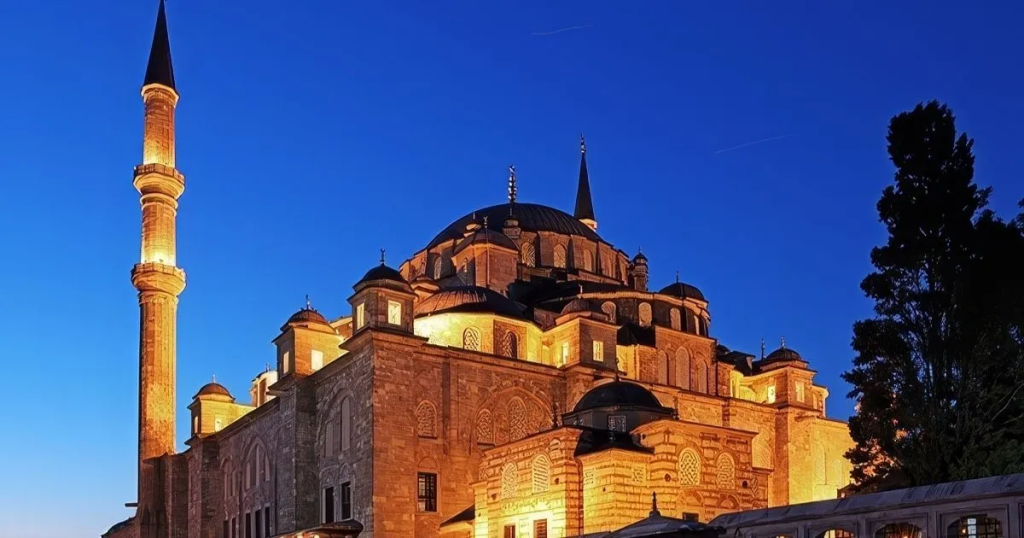
Fatih Mosque
What makes Çarşamba so ultraconservative is the number of religious orders in the neighbourhood. Despite sweeping secular reforms under Atatürk (like mandating the closure of tekkes and madrasas in the 1920s), Çarşamba’s community maintained its traditions. The İsmailağa community—rooted in the Nakşibendi Sufi order—is the most prominent group in Çarşamba, centered around the İsmail Ağa Mosque. The İsmail Ağa Mosque (1723–1724) was established by Şeyhülislâm Ebuishak İsmail Efendi. Beyond İsmailağa, Fatih—and especially Çarşamba—was and stil is home to multiple Sufi orders, such as the Kadirî, Rıfâî, Cerrahî, and other Nakşibendi branches.
What is striking about the neighbourhood is the strong segregation of the sexes and ultraconservative attire of both men and women. Although I did not feel at home in Çarşamba, I was curious as a little girl to see a completely different İstanbul that feels hundreds of years behind contemporary İstanbul!
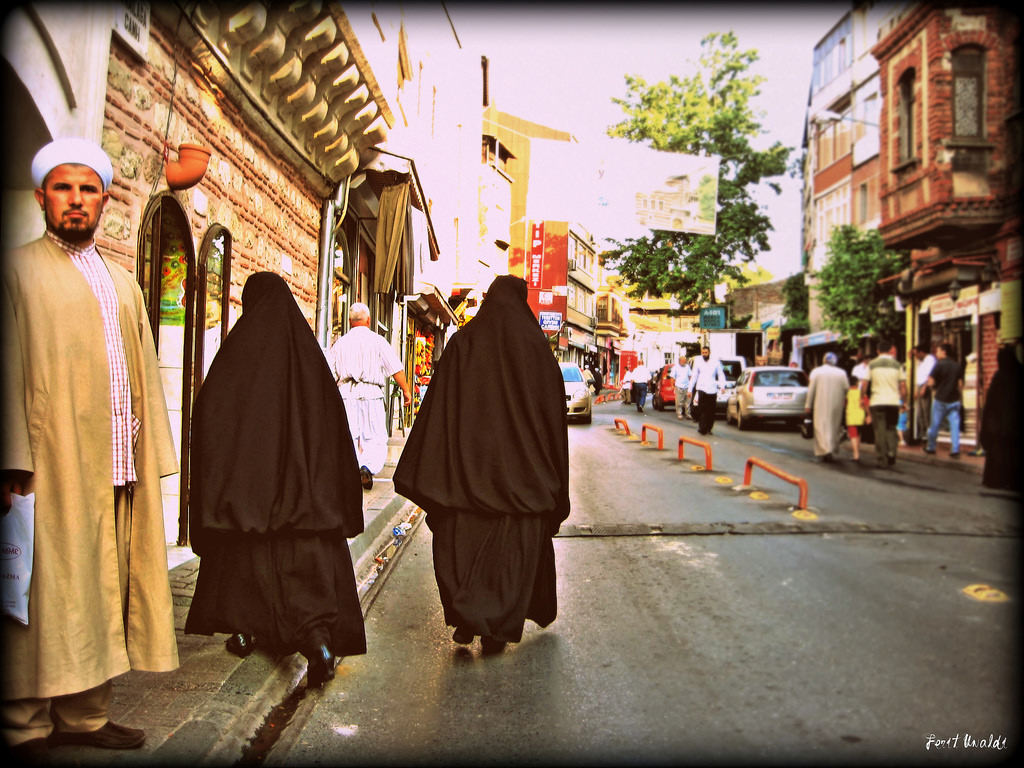
If you are ever curious to see the other side of İstanbul, I would highly recommend you to take a walking tour with a reliable guide to guide you in the neighourhood, not that it is dangerous but mysterious even for locals like me who have a secular lens and a rational mind. Note that 1001 İstanbul offers walking tours in Fatih. Visit 1001 İstanbul at https://1001istanbul.com/.