
‘I do not agree with Orhan Pamuk: Istanbul’s tradition of sorrow predates the fall of the Empire.’
Cemal Kafadar
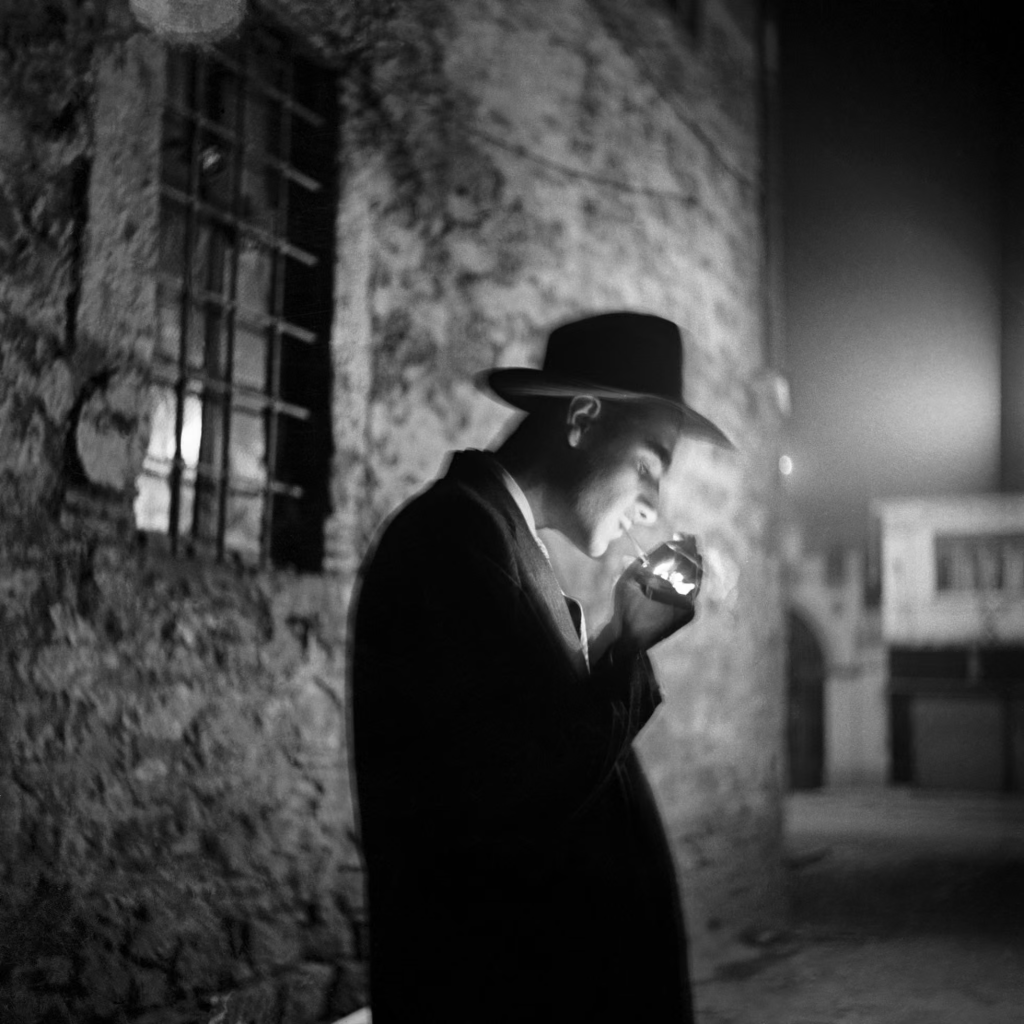
A young man lighting a cigarette in the dark in Beyoğlu, 1954, by Ara Güler.

In his memoir Istanbul: Memories and the City, Orhan Pamuk delves into the profound sense of melancholy that permeates the city, a sentiment he encapsulates with the Turkish word hüzün. Pamuk portrays Istanbul as a city steeped in sadness, where the collective grief of its inhabitants is intertwined with the city’s history and architecture. This pervasive sorrow is not merely a personal feeling but a collective experience that defines the city’s identity. Pamuk’s narrative intertwines his personal memories with the city’s past, illustrating how the decline of the Ottoman Empire and the ensuing cultural shifts have left an indelible mark on Istanbul’s collective psyche. Whereas the prominent Turkish historian Cemal Kafadar challenges Pamuk’s view and postulates that the sorrow tradition in İstanbul predates the loss of the Empire.

Cemal Kafadar is a professor of history at Harvard University and a true lover of Istanbul.
I feel that the sorrow once present in the collective experience of the city has long vanished, replaced by rage—a rage fueled by the mounting pressures of modern life and its demands, the widening gap between the ‘haves’ and ‘have-nots’, provoked but unsatisfied desires in a capitalist world and the distance between contemporary reality and people’s growing aspirations fuelled by mass media; a rage ready to manifest itself in all forms of aggression.
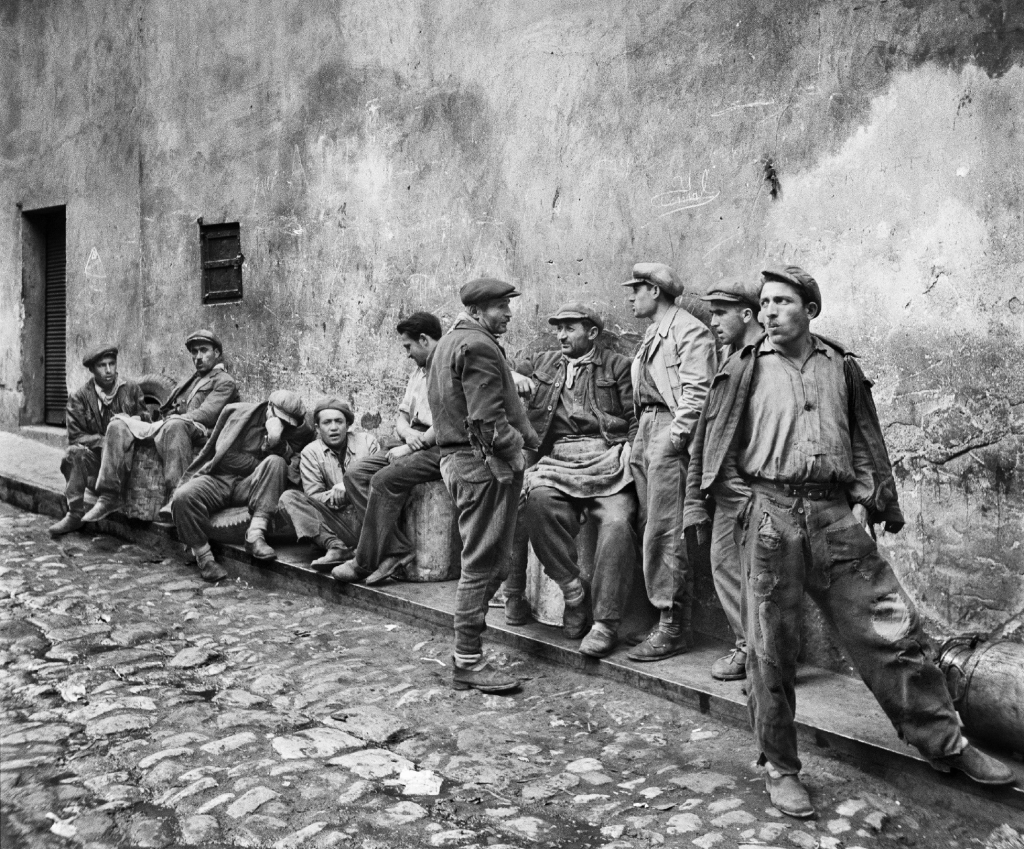
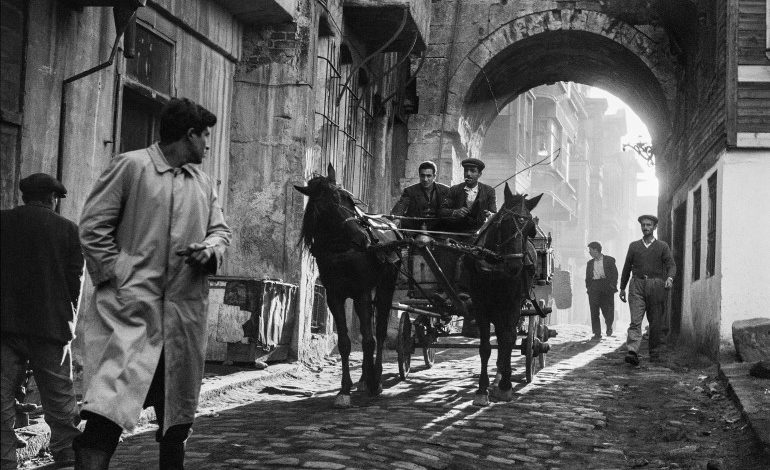
I am looking for the haunting reminders of a bygone era in Ara Güler’s photography and old Turkish songs. An era where sorrow dominated the collective psyche of İstanbulites rather than rage ready to engulf each one of us! That is a sorrow I miss due to its calmness, insighfulness and ‘gravity’.

You can listen to the article from the author’s voice: