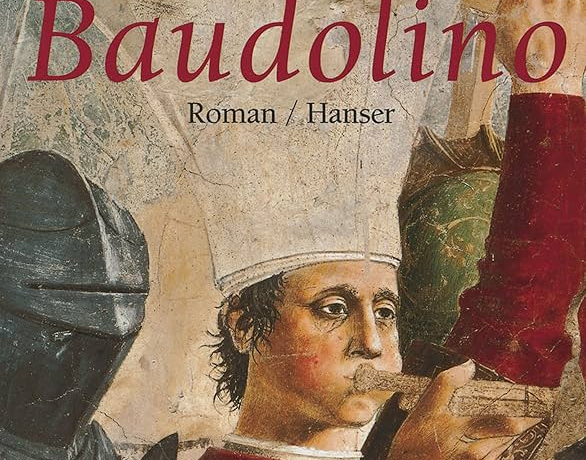

The Itrî & Bach project emerges from Istanbul not merely as a place of origin, but as a way of thinking. Istanbul is a city that has never resolved its multiplicity; it lives with it. Layers remain layered. Voices do not cancel each other out. In this sense, it is the ideal acoustic ground for placing Buhurizade Mustafa Itrî and Johann Sebastian Bach side by side. Note that Buhurizade Mustafa Itrî (1640–1712) is one of the greatest composers of Ottoman classical music, who lived and composed in the same era as Johann Sebastian Bach (1685–1750), making them near contemporaries who shaped distinct yet equally profound musical worlds.
The Itrî & Bach project is carried by Murat Aydemir (tanbur), Ertan Tekin (duduk/mey), and Çağ Erçağ (cello).
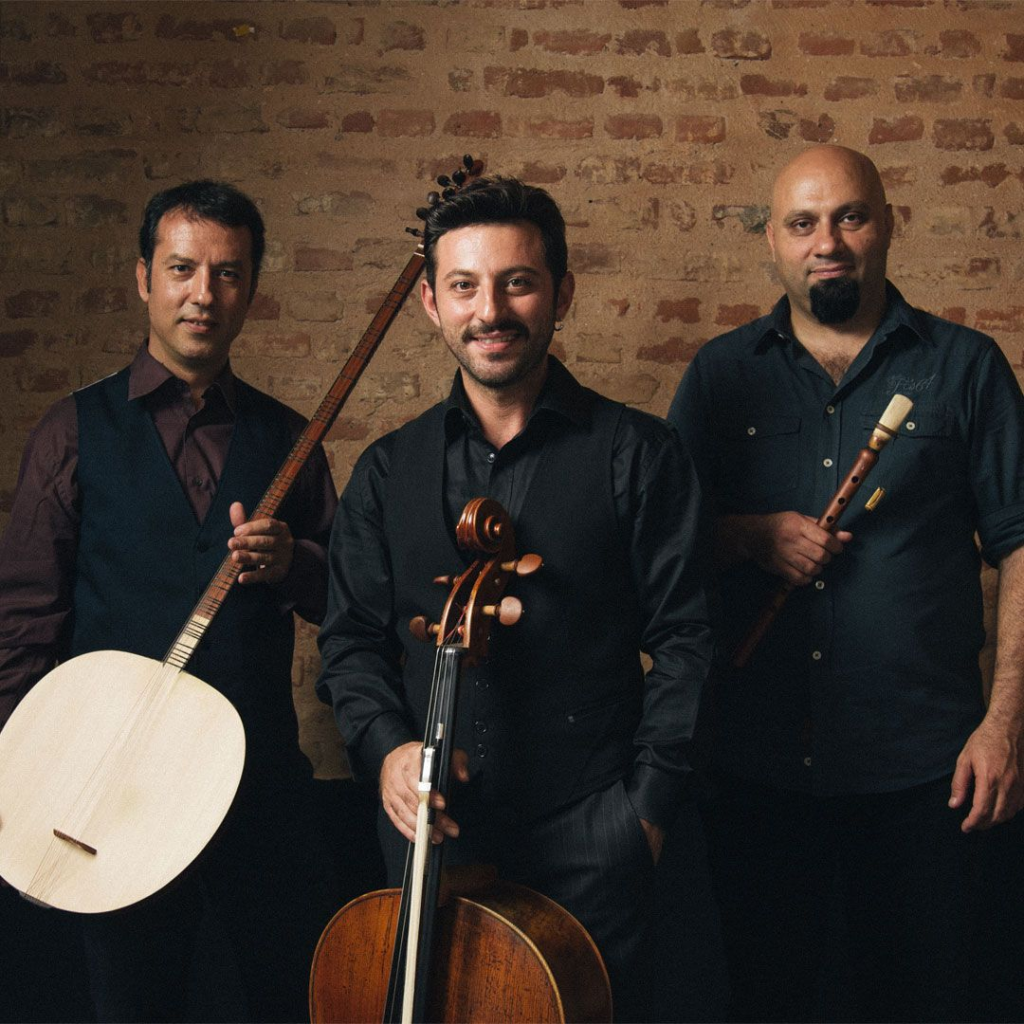
The musicians behind the project, deeply rooted in Turkey’s musical life and shaped by Istanbul’s cultural density are not attempting a fusion or a reconciliation. They do not translate Itrî into Bach, nor Bach into Itrî. Instead, they let each tradition stand in its own integrity, allowing the listener to move between makam and counterpoint, between breath-based melodic unfolding and tightly woven harmonic architecture.
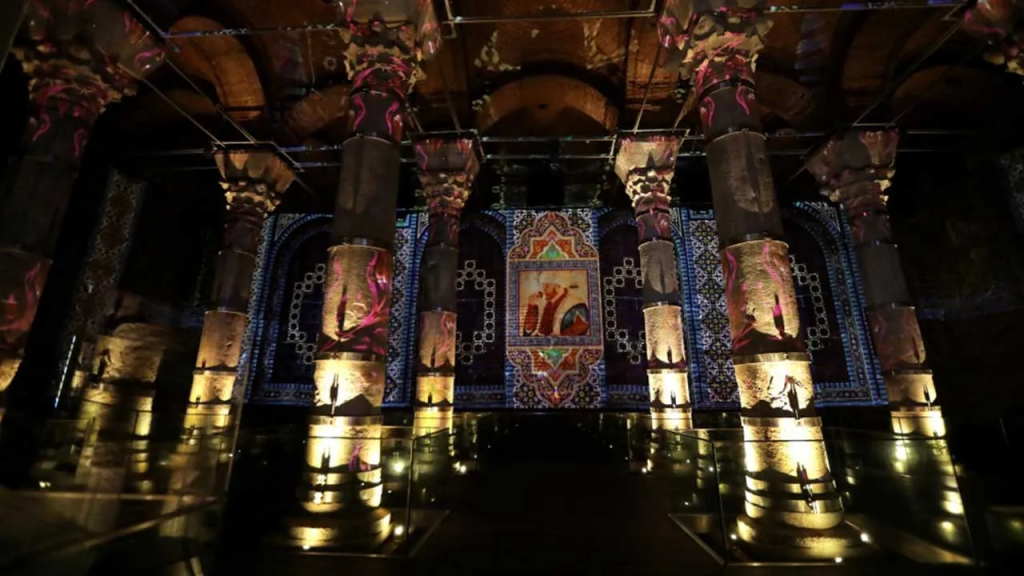
One of the concerts of the ensemble took place in the Underground Cistern in Istanbul in 2024 which is a magical atmosphere for a Bach&Itri concert
Istanbul matters here because it is a city that has long practiced this kind of listening. Ottoman sacred music and Western polyphony have coexisted in its soundscape for centuries: in churches and tekkes, in courts and conservatories, in private rooms and public rituals.
The project draws on this historical coexistence without turning it into nostalgia. What emerges is a contemporary “listening ethics”, a refusal to collapse difference into sameness.
In Itrî & Bach, music becomes a threshold space. The listener is invited to linger in uncertainty, to tolerate not knowing which musical language should dominate. This is profoundly Istanbulite: a city that teaches you to live without final synthesis, to accept that depth comes not from clarity alone, but from resonance.
Ultimately, the project does not ask whether East and West can be united. It asks a quieter, more demanding question, one that Istanbul has been asking for centuries: Can we stay with difference, and still listen?