
In the mid-nineteenth century, a rupture in the Caucasus sent waves of displacement across the Black Sea, reshaping lives, cities, and memories. The story of the Circassians in Istanbul begins not as a migration in the ordinary sense, but as a forced departure—one marked by war, imperial conquest, and survival.
In 1864, as the Russian Empire consolidated its control over the North Caucasus after decades of conflict, Circassian communities were subjected to mass expulsion. What followed is widely recognized by historians as one of the most significant forced migrations of the nineteenth century. Entire populations were pushed toward the Black Sea coast, where overcrowded and poorly provisioned ships carried them toward Ottoman lands. Many did not survive the journey. Those who did arrived in a world already strained by war, reform, and demographic change.
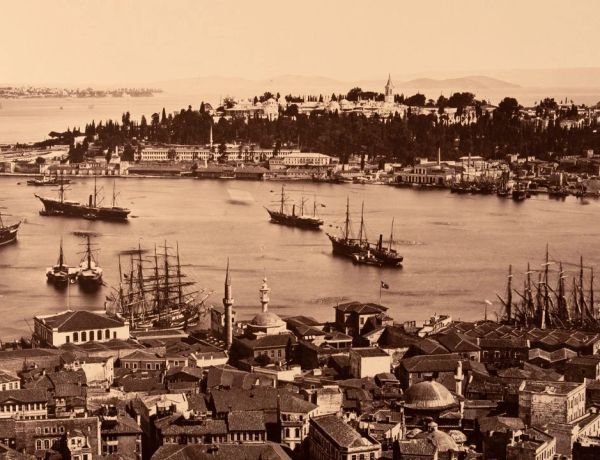
Istanbul became one of the key receiving cities in this vast geography of displacement. The Ottoman Empire, bound by both political calculation and a sense of imperial and humanitarian responsibility, resettled Circassian groups across its territories. In the capital, they were dispersed into various districts—Beşiktaş, Üsküdar, Kadıköy, and beyond—often integrated into existing neighborhoods rather than placed in a single enclave. Some were settled on vakıf lands, others in areas deemed strategically or economically suitable by the state.
This dispersal did not erase identity. Instead, it produced a complex pattern of adaptation and preservation. Circassians in Istanbul navigated a delicate balance between integration into urban life and the maintenance of cultural continuity. Language, social customs, and tightly knit community structures became the fragile vessels through which memory was carried forward.
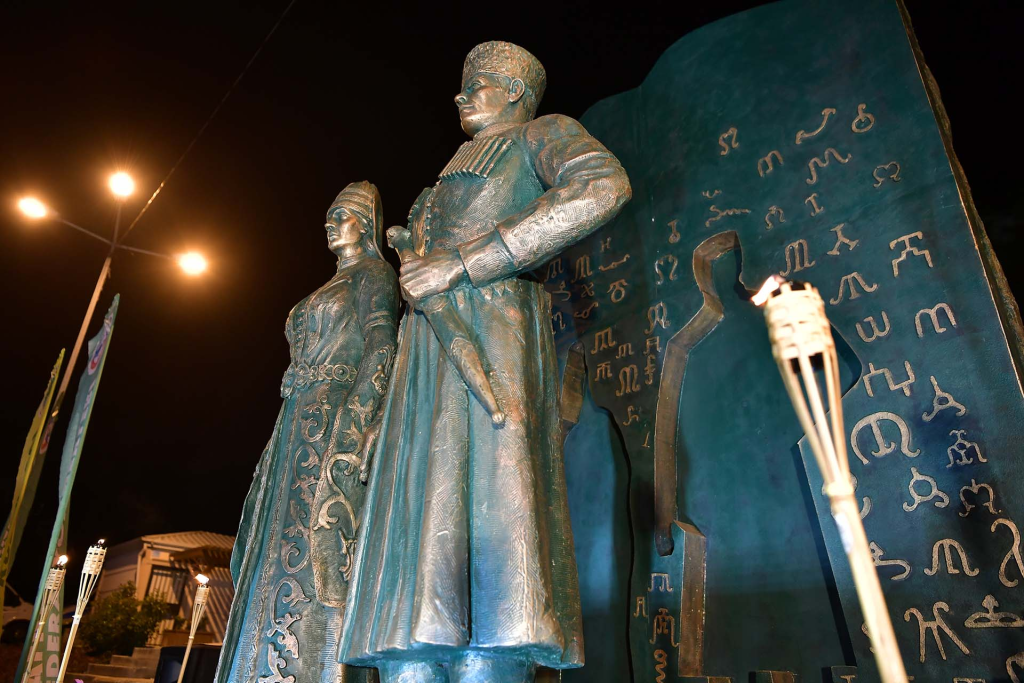
Circassian Exile Monument in Beylikdüzü
Over time, Circassians became part of the Ottoman and later Turkish social fabric in visible ways. Many entered military service, administrative roles, and urban professions, contributing to the evolving structure of the empire and its successor state. Yet beneath this integration lay an enduring awareness of displacement—a sense of historical rupture that continued to shape communal identity.
Institutions such as associations and foundations eventually emerged, particularly in the republican period, offering spaces for cultural continuity. Through these organizations, efforts were made to preserve language, music, dance, and oral history. Istanbul, once a destination of forced arrival, gradually became a symbolic center for the Circassian diaspora in Turkey.
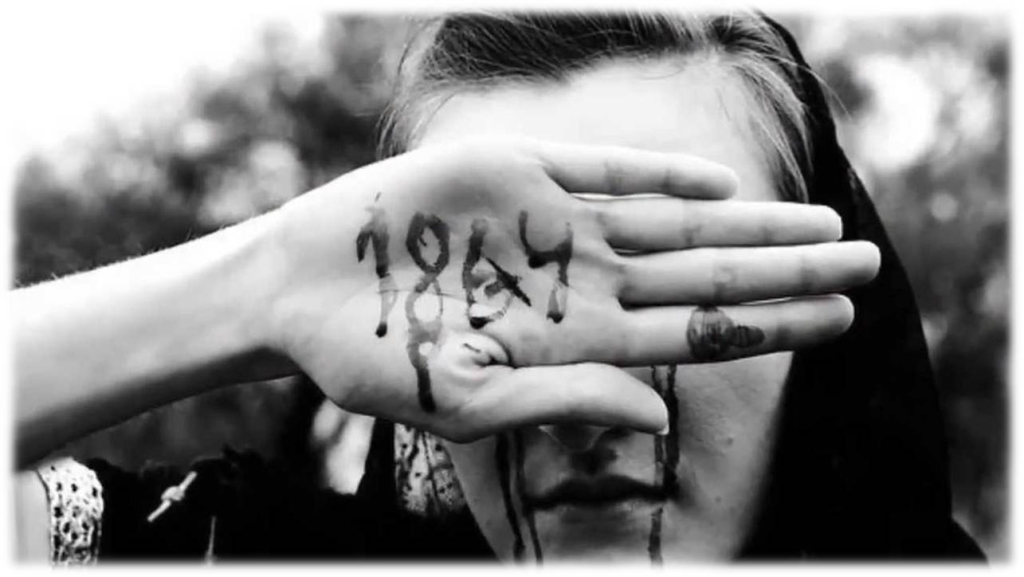
Every year on May 21, the anniversary of the 1864 expulsion is commemorated by Circassian communities around the world. In Istanbul as well, gatherings, ceremonies, and public remembrances are held by diaspora organizations and descendants, honoring those who were lost and those who survived. The date serves both as a moment of mourning and as a reaffirmation of cultural continuity.
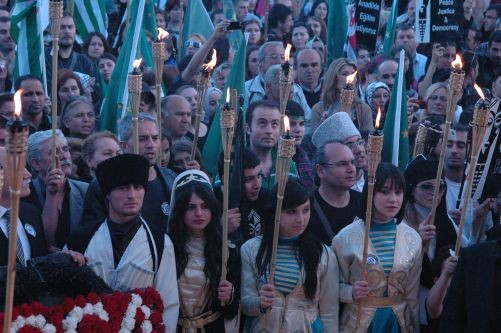
A photo from the 21st of May Commemoration
Today, the legacy of 1864 remains a living presence. It is carried in stories, family histories, and public acts of remembrance. In Istanbul—a city shaped by countless migrations—it endures as part of a broader history of movement, loss, and belonging that continues to define the urban and human landscape.
Here is the Circassion song of lamentation titled Yistanbulako refering to Istanbul where my ancestors found a second home.
Note that the video is uploaded from YouTube and all rights belong to the respective rights holders.