
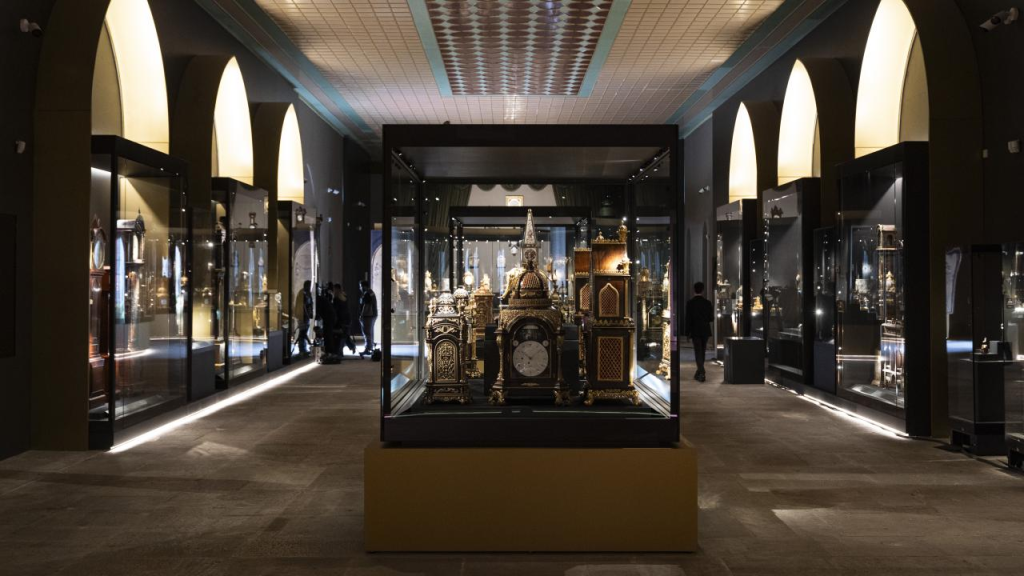
To step into the clock room of the Topkapı Palace is to witness a quiet, gilded ideological shift. Behind glass displays sit intricate astronomical timepieces, ornate grandfather clocks gifted by European monarchs, and delicate pocket watches crafted for Ottoman sultans. Yet, these objects were not merely instruments for measuring hours—they were heralds of a fundamental transformation in how human beings inhabit existence.
Before Western mechanical time dominated the globe, the Ottoman Empire operated on Alaturka, or gurubi, time. This system was linked directly to the cosmos and the organic rhythms of nature. The day did not begin at an abstract midnight, but at sunset, which was designated as twelve o’clock. Because the time of sunset shifted continuously with the seasons, clocks had to be readjusted daily to match the shifting horizon. Time was tied to the call to prayer, seasonal shifts, and solar angles meticulously calculated by muvakkits working out of dedicated timekeeping houses. In this worldview, time was cyclical, fluid, and qualitative. It was not a scarce resource to be mined or optimized, but a living medium within which human existence naturally unfolded.
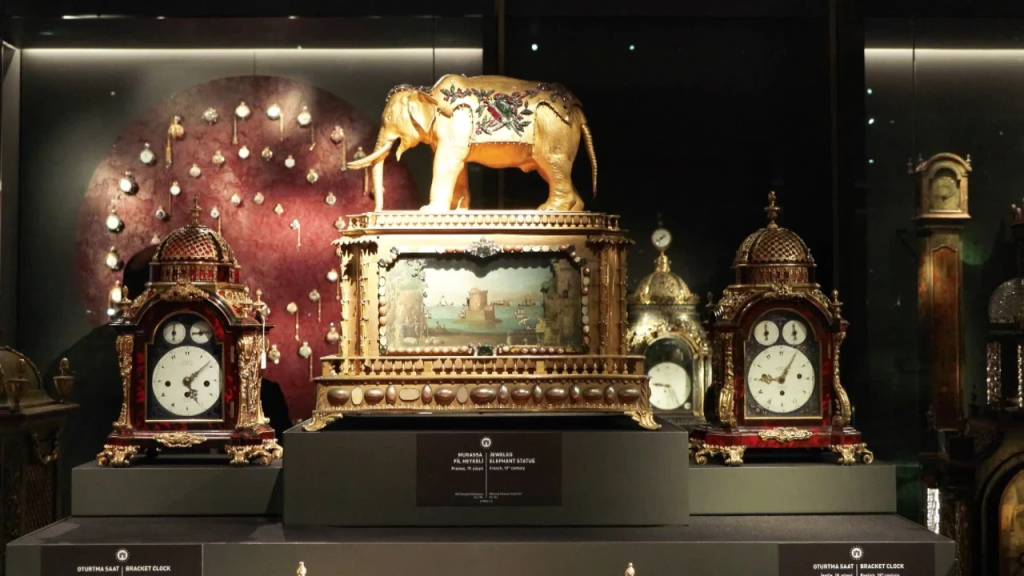
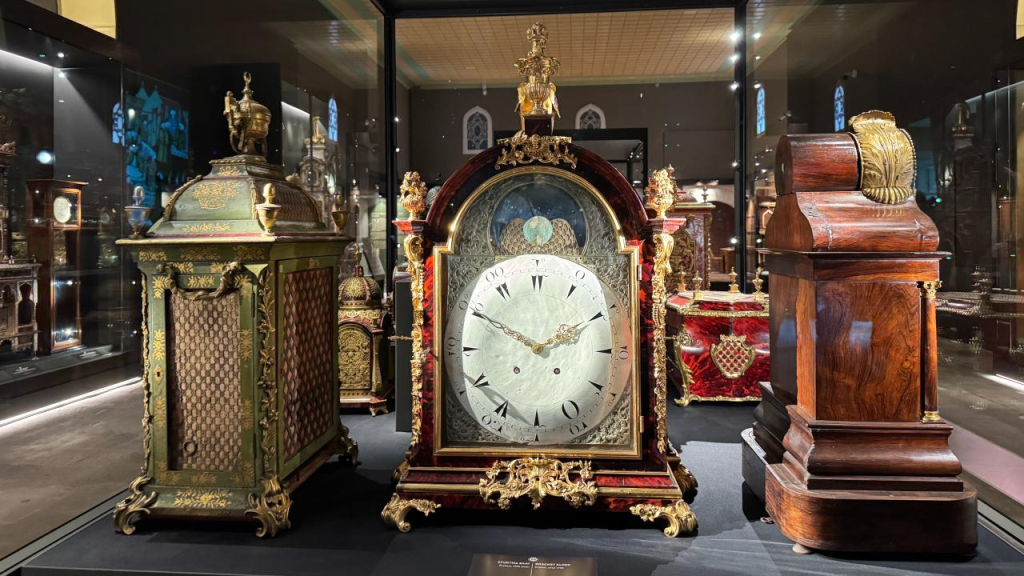
As industrialization reshaped Western Europe, time transformed from an environmental rhythm into a economic currency. Factory shifts required synchronization, expansive railroad lines demanded precise timetables, and global trade required standard reference points. European clocks, designed for Alafranga, or fixed, twenty-four-hour mean time, began flooding Ottoman markets. Many of these clocks were specially modified with Ottoman numerals on their dials to bridge the cultural divide, serving as beautiful Trojan horses of industrial efficiency. With the late Ottoman modernization efforts and the eventual official adoption of Western time in 1926, dynamic, solar-oriented living was formally replaced by the rigid, mechanical ticking of standardized time. Time was no longer an experience tied to local geography and sunlight; it became abstract, linear, and universal.
Our modern struggles with burnout, chronic anxiety, and temporal exhaustion trace directly back to this total victory of abstract measurement over natural cadence. By divorcing time from biological and solar cycles and converting it into a uniform metric, global industrial culture turned time into something we forever run out of. Western time treats every hour identically, assuming that sixty minutes of deep reflection hold the same weight as sixty minutes of mechanical output, even though human experience rejects this equivalence. When time is treated as a linear commodity, unscheduled moments feel like wasted inventory rather than essential recovery. We wake to electronic alarms regardless of the dawn, maintain identical work demands regardless of the season, and continually attempt to fit organic human biological rhythms into the relentless, unyielding precision of the clock face.
The timepieces preserved in Topkapı capture the exact historical moment humanity traded living in tune with nature for the synchronization of the machine—a negotiation we carry on every single day.
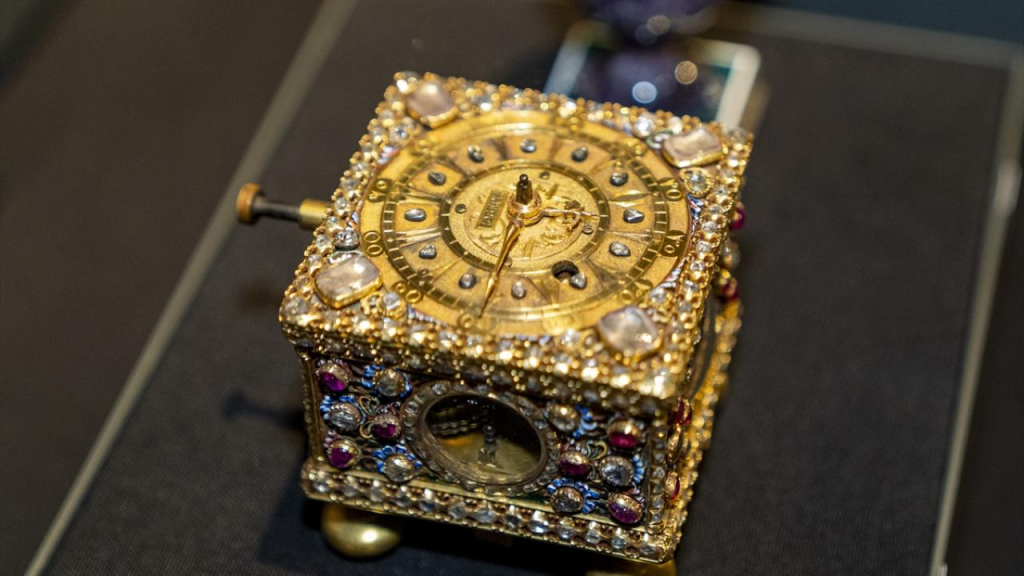
Visuals are taken from trthaber.com. All visuals are from the Clock Collection of the Topkapı Palace Museum.