
History sometimes turns not on great battles or treaties, but on a few desperate minutes in a palace corridor.
In 1808, the Ottoman dynasty came perilously close to losing the man who would become one of its most consequential reforming sultans. Selim III had already been murdered. Prince Mahmud was next.
Between Mahmud and his assassins stood an unlikely defender: a woman of the imperial harem named Cevri Kalfa.
Her intervention did more than save a prince. It preserved the life of the future Sultan Mahmud II, the ruler who would dismantle the Janissary corps, reorganise the army and administration, and set the Ottoman Empire on the long road toward nineteenth-century modernisation.
In that sense, when Cevri Kalfa saved Mahmud, she also saved a future that had not yet happened.
The Tragic End of Selim III
Selim III had understood that the empire could no longer ignore the transformations taking place in Europe. Ascending the throne in 1789, he created the European-style Nizam-ı Cedid, or “New Order,” army and introduced military, diplomatic and administrative reforms.
But reform threatened powerful interests. In 1807, a rebellion brought his experiment to an end. Selim was deposed and replaced by Mustafa IV.
The following year, the powerful provincial notable Alemdar Mustafa Pasha marched toward Istanbul, hoping to restore Selim. Mustafa IV responded by ordering the deaths of both Selim and Prince Mahmud, eliminating the two remaining rivals to his throne.
Selim was reached first and murdered inside Topkapı Palace.
Then the assassins went looking for Mahmud.
A Handful of Ashes
As the men approached, Mahmud’s attendants desperately tried to help the prince escape onto the palace roof.
At that moment, Cevri Kalfa intervened.
According to the famous account, she seized a container of ashes and hurled them into the assassins’ faces. Temporarily blinded and disoriented, they were delayed just long enough for Mahmud to escape through an upper opening and reach the roof.
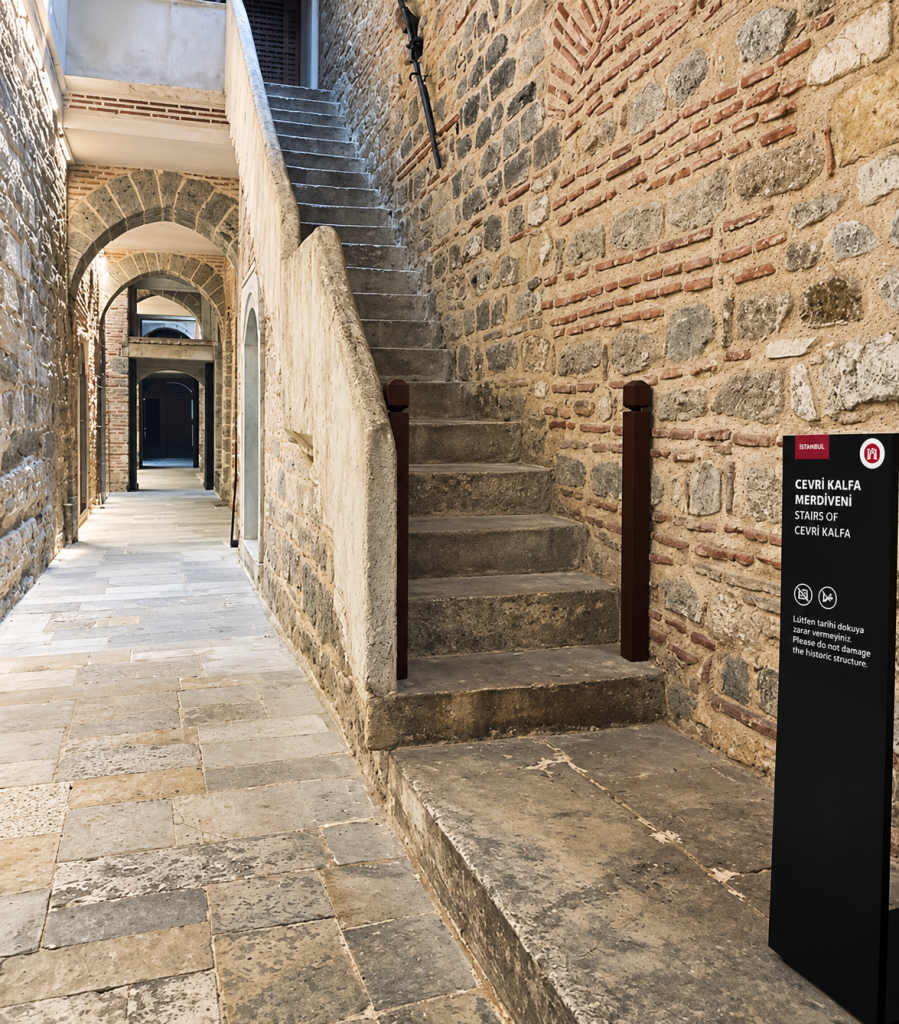
You can still see in Topkapı Palace the staircase where Cevri Kalfa threw ashes at the rebels, buying Mahmud II enough time to escape onto the roof.
Cevri could not defeat armed men. She did not need to. She only needed to give Mahmud a few more minutes. Those minutes changed Ottoman history.
Alemdar’s forces took control of the palace. Selim was dead, but Mahmud had survived. Mustafa IV was deposed, and the twenty-three-year-old prince became Sultan Mahmud II.
The Future That Was Waiting
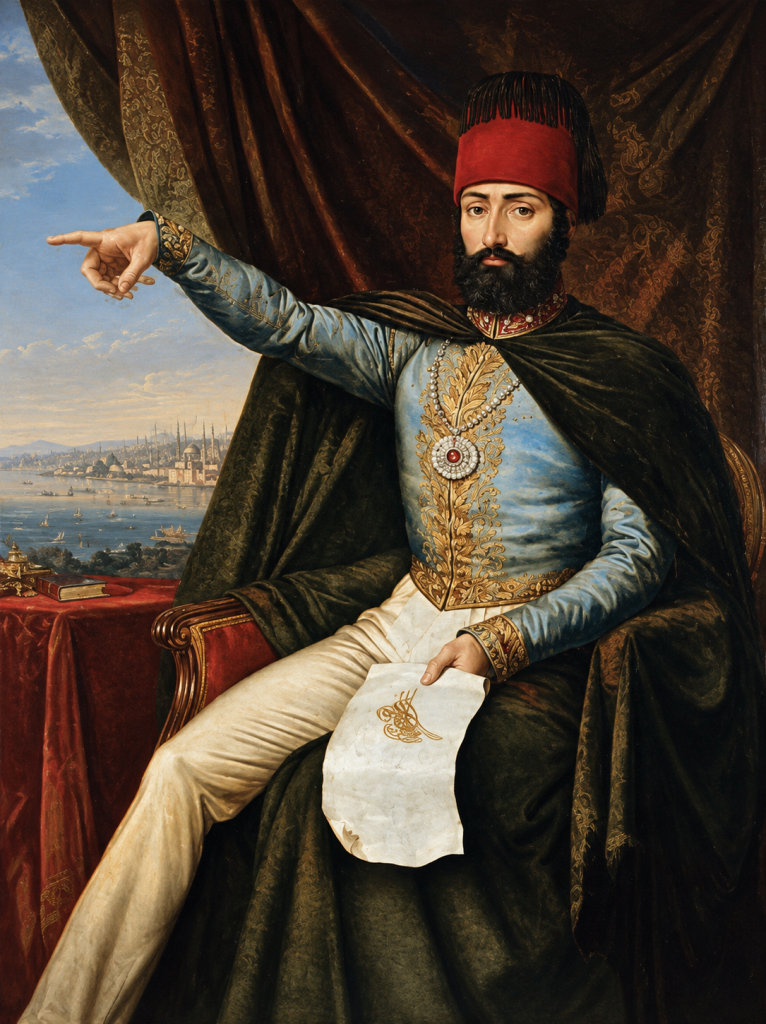
Mahmud II points towards a distant horizon, an image that seems almost emblematic of a reign increasingly turned towards reform and a changing world.
There is a poignant symmetry between the murdered Selim and the rescued Mahmud.
Mahmud had witnessed what happened to a ruler who attempted reform before the political conditions existed to sustain it. Yet the problems Selim had tried to solve remained.
Over the next three decades, Mahmud would take up much of the unfinished work. In 1826, he destroyed the Janissary corps in the Auspicious Incident, created a new army, strengthened the central government, reorganised the bureaucracy and expanded education and diplomacy. His reforms helped prepare the institutional ground for the later Tanzimat era.
The reforming impulse that had ended so tragically with Selim III had survived.
And on that violent day in 1808, its survival had depended upon Mahmud’s survival.
A Sultan Who Remembered
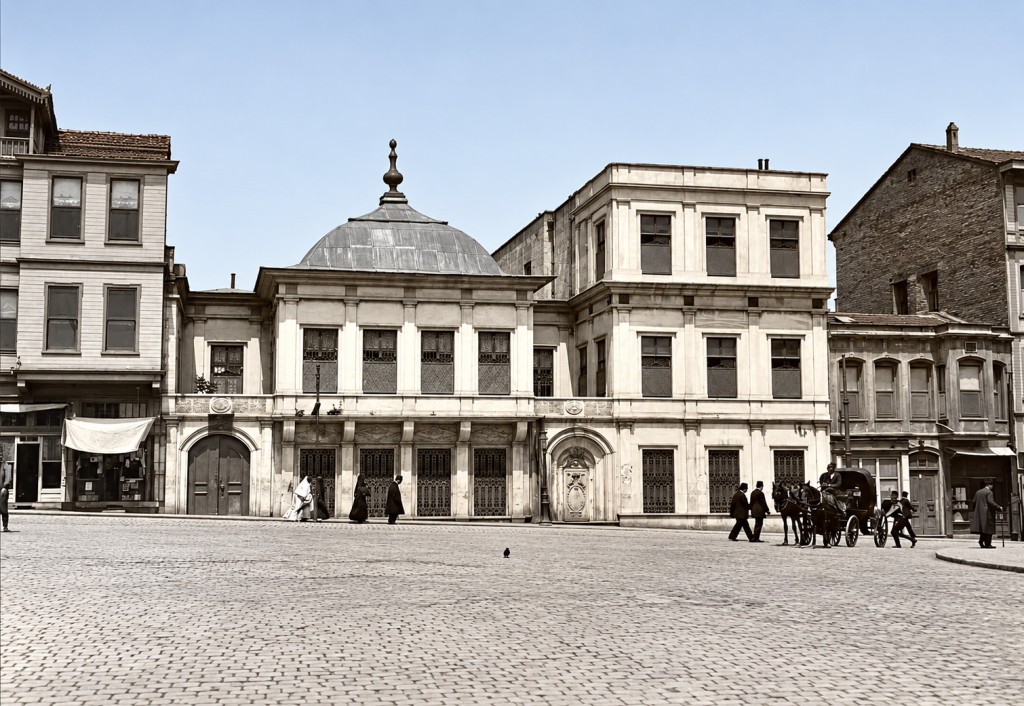
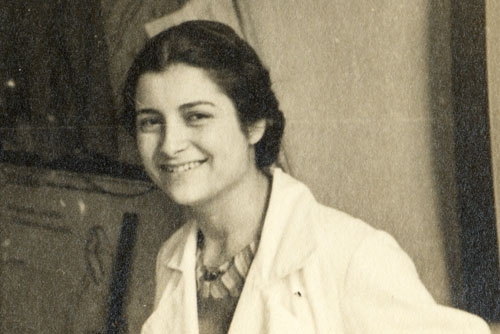
Cevri Kalfa Sıbyan Mektebi in 1910s
Mahmud II never forgot the woman who had stood between him and death. He elevated Cevri Kalfa to the prestigious position of Hazinedar Usta, one of the highest offices available to a woman within the imperial harem. Cevri herself also became a benefactor, establishing charitable works in Istanbul.
But the most enduring monument to their extraordinary connection was a school.
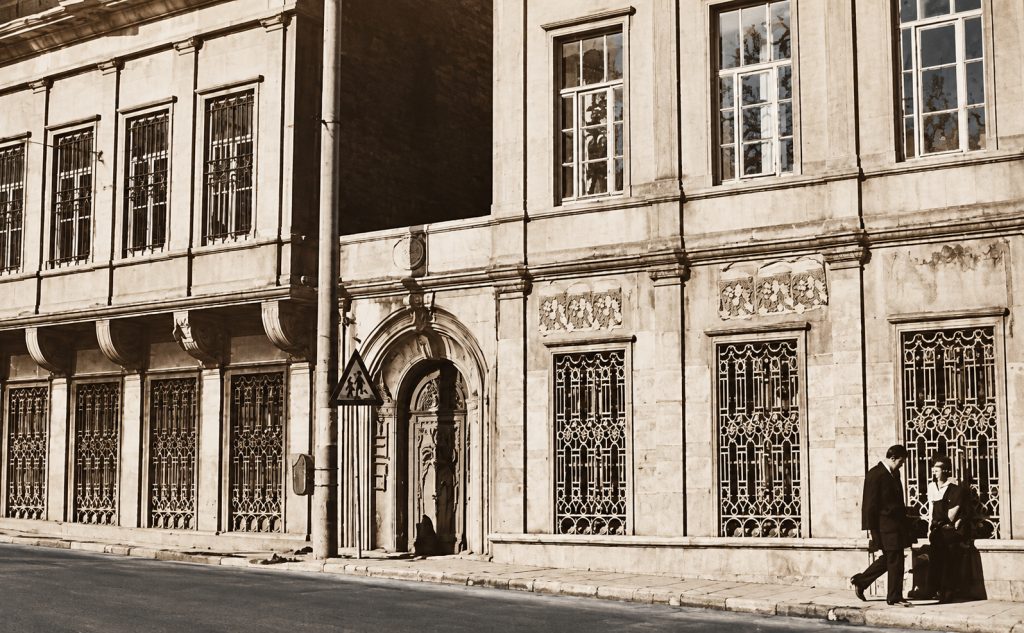
A beautiful photograph of Cevri Kalfa Sıbyan Mektebi, 1910s
In 1819–20, Mahmud commissioned the Cevri Kalfa Sıbyan Mektebi near Sultanahmet, dedicating it to the memory of the woman who had saved his life. A later tradition tells the story somewhat differently: when Mahmud offered Cevri whatever reward she desired, she asked not for jewels or wealth, but for a school to be established in her name.
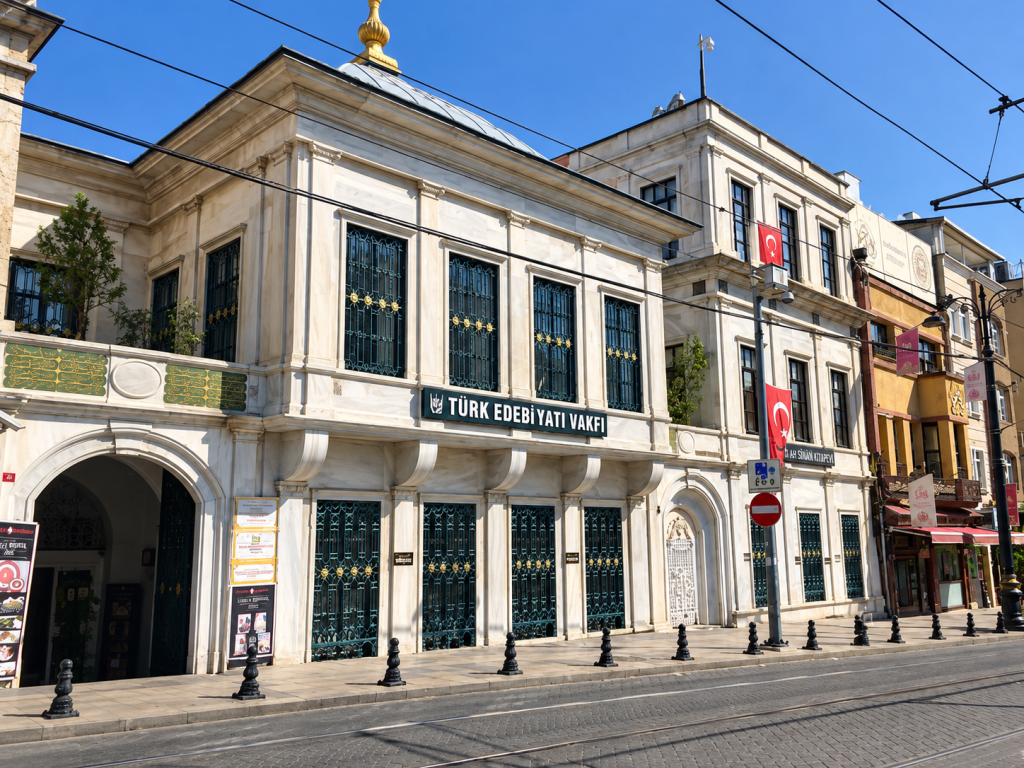
Cevri Kalfa Sıbyan Mektebi is currently a cafe that serves traditional Turkish drinks and desserts.
The story of Cevri Kalfa’s school did not end with Mahmud II. Originally built as a primary school in 1819–20, the building acquired another remarkable role four decades later. In 1859, it became home to the Cevri Kalfa Girls’ Rüşdiye, regarded as the first secondary school for girls in the Ottoman Empire. A monument created in memory of a palace woman who had once changed the course of Ottoman history thus became, fittingly, a landmark in the history of Ottoman women’s education.
Whether literal history or affectionate historical memory, the story feels remarkably appropriate.
For a few minutes in 1808, the future of the Ottoman dynasty had passed through Cevri Kalfa’s hands. Behind her lay the murdered Selim III, whose dream of reform had ended in tragedy. Before her stood Prince Mahmud, who would inherit both Selim’s throne and much of his unfinished task.
And between Mahmud and the men coming to kill him stood Cevri Kalfa, throwing ashes into their eyes and buying history a little more time.
She saved a man. She saved a throne. And in doing so, she helped keep the possibility of another Ottoman future alive.