
Music has a remarkable ability to travel across centuries, cultures and artistic traditions. Hicaz Mandıra, an Ottoman instrumental composition attributed to Sultan Abdülaziz (1830–1876), offers a particularly fascinating example of this journey.
Hicaz Mandıra is a lively Ottoman instrumental dance piece. Its name combines Hicaz, referring to the makam (a melodic mode in Turkish classical music), and Mandıra, a rhythmic dance form traditionally associated with a lively seven-beat metre. Blending melodic ornamentation with an engaging rhythmic pattern, it reflects the rich musical interplay between Ottoman and Balkan traditions.
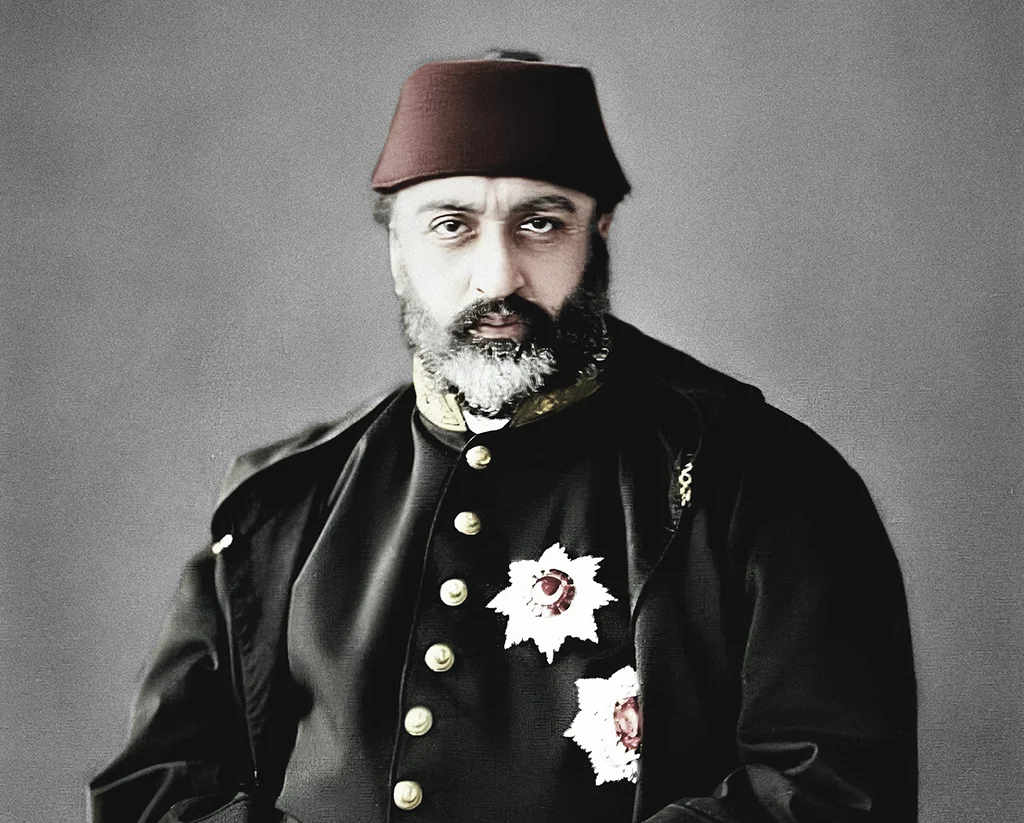
Sultan Abdülaziz
A musician and composer as well as an Ottoman sultan, Abdülaziz reigned from 1861 to 1876. His musical legacy continues to find new audiences through contemporary interpretations.
Two musicians from different musical backgrounds have brought this composition into their own artistic worlds: Turkish harpist Şirin Pancaroğlu and Austrian theorbo player, harpist and early music specialist Christina Pluhar.
Şirin Pancaroğlu performed Hicaz Mandıra alongside harpist Meriç Dönük and percussionist Jarrod Cagwin released in her 2011 album titled Elişi.
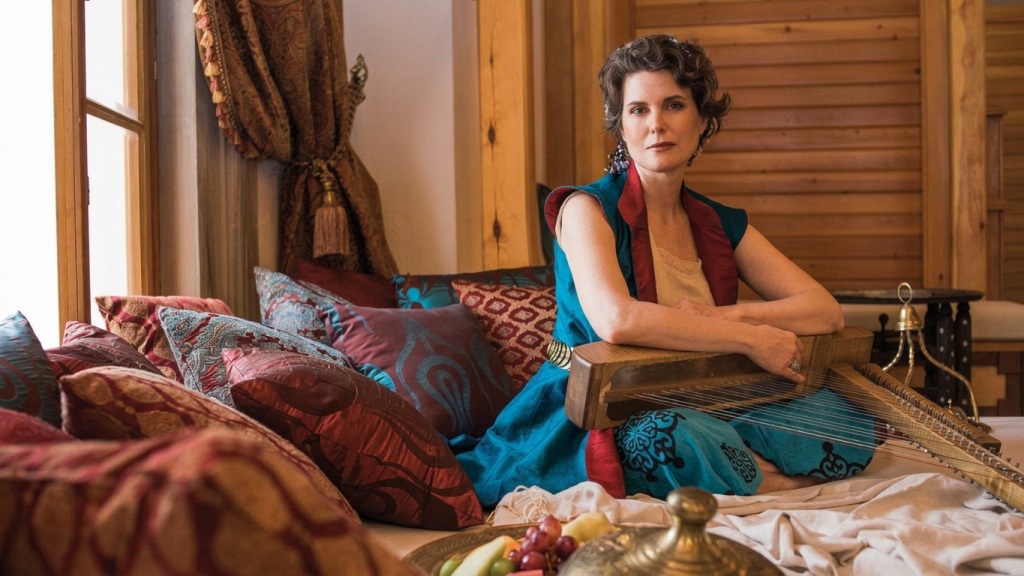
Harpist Şirin Pancaroğlu
Their performance brings together the distinctive sound of the harp and percussion, offering a fresh interpretation of an Ottoman composition while maintaining its lively rhythmic character.
In 2013, Christina Pluhar and her ensemble L’Arpeggiata included Hicaz Mandıra as the fifth track on their album Mediterraneo. Released on 4 March 2013, the album explores the rich musical diversity of the Mediterranean, bringing together traditional instruments, Baroque strings and musical traditions from across the region. Pluhar’s interpretation places the Ottoman composition within this wider Mediterranean soundscape.
Although their musical approaches differ, both interpretations reveal the remarkable adaptability of the composition. Pancaroğlu approaches it through her engagement with Turkish and Ottoman musical traditions, while Pluhar brings it into conversation with the diverse musical languages of the Mediterranean and early European music.
It is fascinating that a composition associated with a nineteenth-century Ottoman sultan should continue to inspire female musicians working in such different musical worlds. Through these interpretations, Hicaz Mandıra becomes more than a historical musical artefact: it becomes a living composition, open to new readings and new audiences.
Perhaps the life of a musical composition is never confined to the time in which it was written. Every new interpretation gives it another voice, another context and another possibility of being heard.