
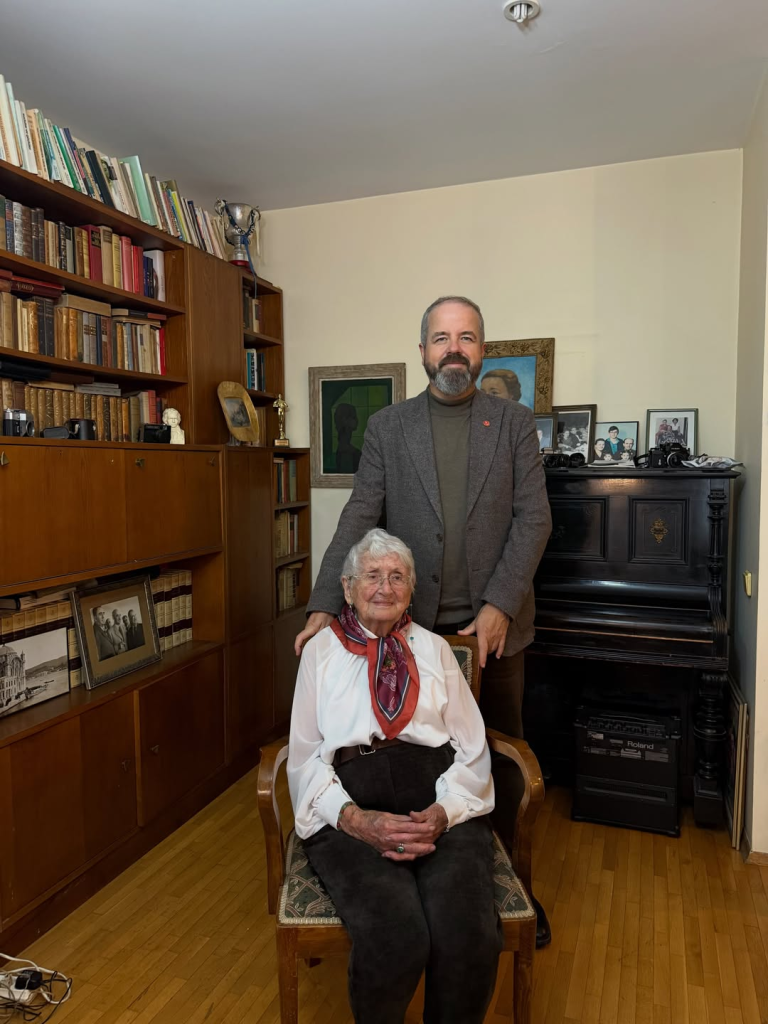
Selma Türkis Noyan and Mehmet Dilbaz who is the architect of the Project
There are cities whose histories are written in monuments, archives and official chronicles. And then there are cities whose histories survive in the memories of their inhabitants: in the stories told around family tables, in the names of forgotten streets, in the sounds of languages once spoken in neighbourhoods, and in the recollections of lives that have gradually disappeared from the urban landscape.
Istanbul belongs to both worlds.
For centuries, the city was home to an extraordinary constellation of communities. Turks, Greeks, Armenians, Jews, Levantines and many others contributed to its social, cultural and commercial life. Their presence was not merely a matter of demographic diversity. It shaped the city’s everyday character: its neighbourhoods, markets, schools, places of worship, crafts, music, food and shared rituals.
Today, much of that world has vanished or become increasingly difficult to encounter. Few buildings remain, sometimes beautifully restored, but the communities that gave them meaning are often gone. A church may still stand, a former school may still bear its name, and an old cemetery may preserve the inscriptions of generations. Yet the living connections between these places and the people who once inhabited them are becoming increasingly fragile.
This is the historical and emotional landscape explored by the documentary series Son İstanbullular (The Last Istanbulites).
Rather than approaching Istanbul exclusively through its architectural heritage or grand historical narratives, the series turns its attention to individuals whose lives preserve fragments of the city’s disappearing cultural memory.
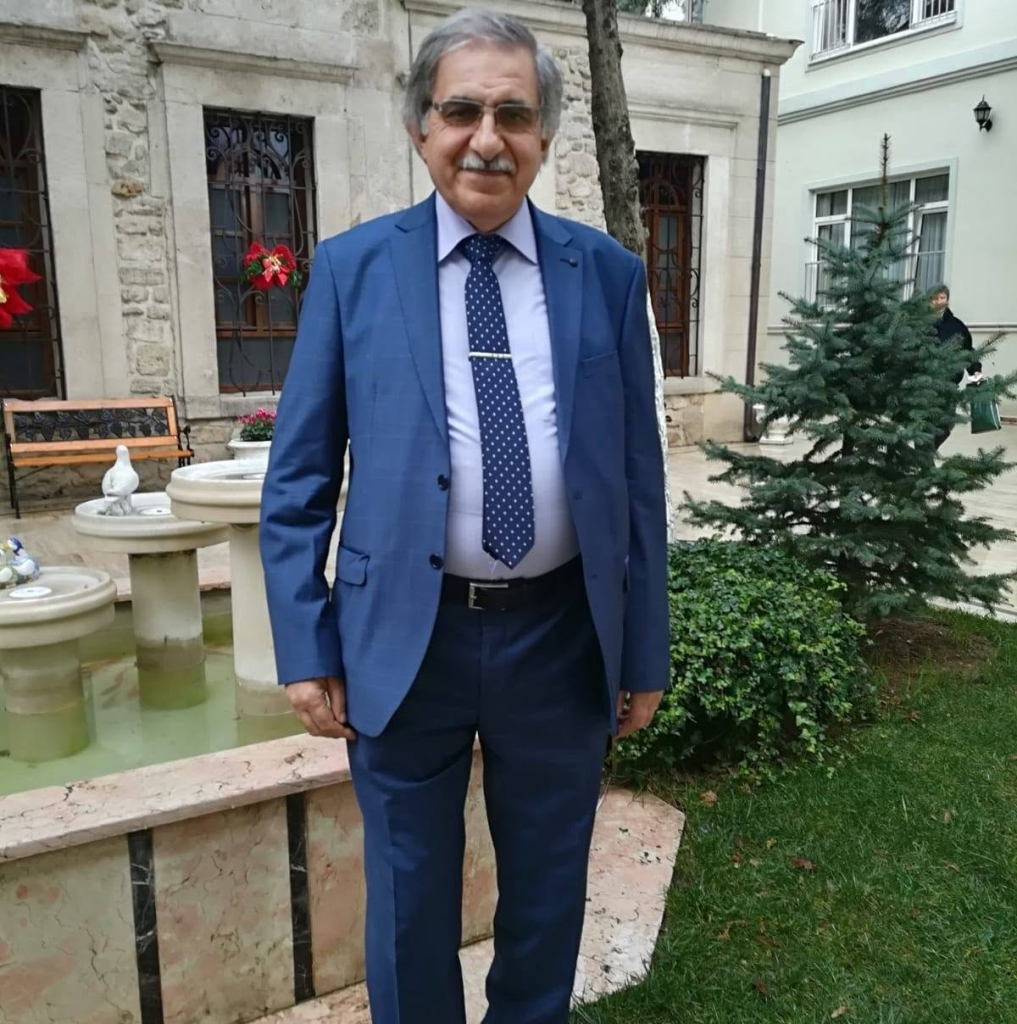
Varujan Magakyan
Among its subjects is Varujan Magakyan, one of the last Armenians of Beykoz, who recalls a childhood in a neighbourhood where Turkish, Armenian, Greek and Jewish residents shared the rhythms of everyday life. His memories evoke not an abstract idea of multiculturalism, but something much more tangible: neighbours, workplaces, streets, friendships and the ordinary coexistence that once constituted the fabric of the district.
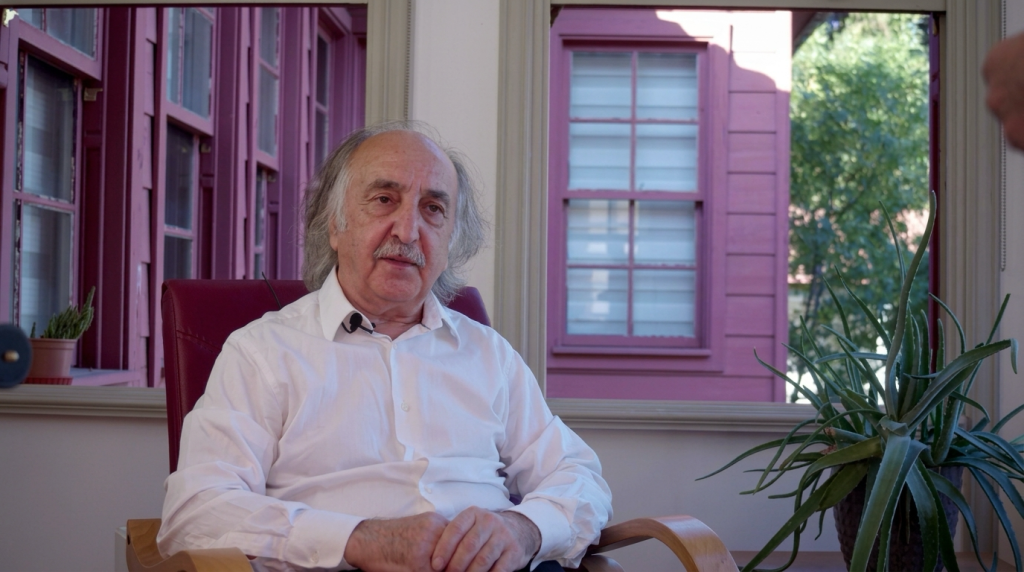
Hayri Necdet İşli
Another episode features Hayri Necdet İşli, whose interest in Ottoman gravestones, cemeteries and dervish lodges opens a different window onto the city’s historical layers. Through his recollections and knowledge, even the seemingly silent spaces of Istanbul become repositories of human stories.
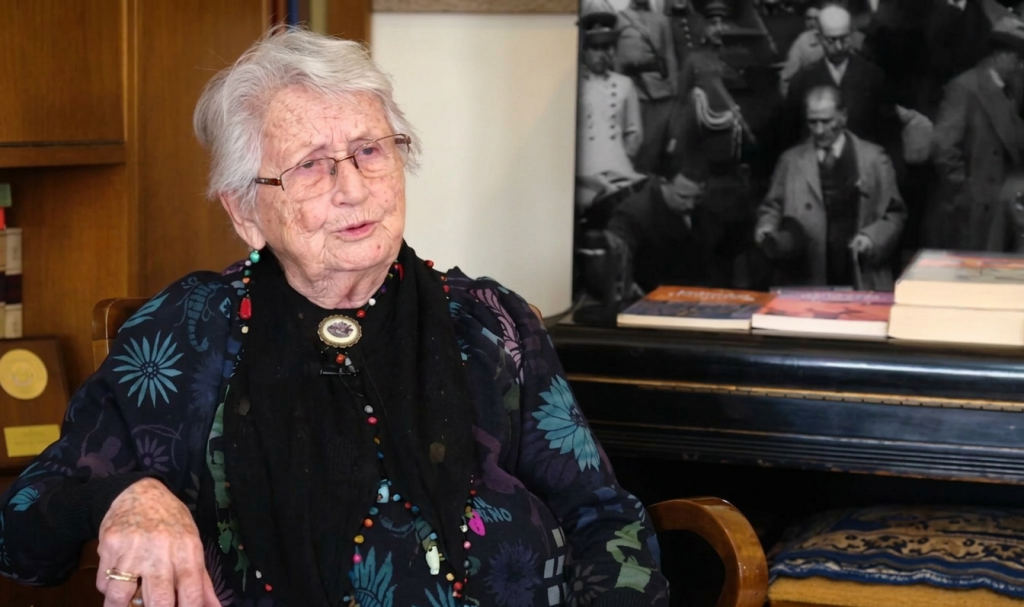
Selma Türkis Noyan
The series also features Selma Türkis Noyan, whose personal memories add another perspective to this collection of individual testimonies.
Each participant brings a different fragment of Istanbul’s past into the present, reminding us that the city’s history is not a single narrative but a multitude of overlapping lives and experiences. What makes such testimonies valuable is precisely their personal nature. They do not necessarily offer a comprehensive history, nor do they claim to represent entire communities. Instead, they provide something that official histories often struggle to preserve: the texture of lived experience.
A city is more than its buildings. It is also the accumulation of encounters, habits, memories and relationships that take place within them. When a community disappears, something more than its physical presence is lost. A particular way of seeing the world, speaking, celebrating, mourning and belonging disappears with it.
Perhaps this is why the expression Son İstanbullular carries such emotional weight. It suggests that being an Istanbullu is not simply a matter of birthplace or residence. It can also mean belonging to a particular cultural universe: one shaped by historical continuity, neighbourhood intimacy, multiple languages and the experience of living alongside people whose traditions differ from one’s own.
The documentary series invites us to listen before these voices fall silent. It reminds us that the history of Istanbul cannot be fully understood through Byzantine churches, Ottoman mosques, palaces, fountains and architectural masterpieces alone. It must also be heard through the people who inhabited the city, who gave its streets their names and meanings, and who remember a world that younger generations may never have the opportunity to experience.
One small but significant shortcoming is that the documentaries do not yet have English subtitles. This is a pity, because the stories they preserve deserve to reach far beyond Turkish-speaking audiences. Istanbul’s cultural heritage belongs to a much wider historical and human conversation. One can only hope that English subtitles will be made available soon, allowing international audiences, researchers and people with personal connections to the city to discover these remarkable testimonies.
In the end, preserving Istanbul’s heritage is not only about protecting its architecture. It is also about preserving the memories of those who made the city a living civilisation.
Note that the video is embedded via YouTube and all rights belong to the respective rights holders.