

Dedicated to all the Istanbulites who are but a memory
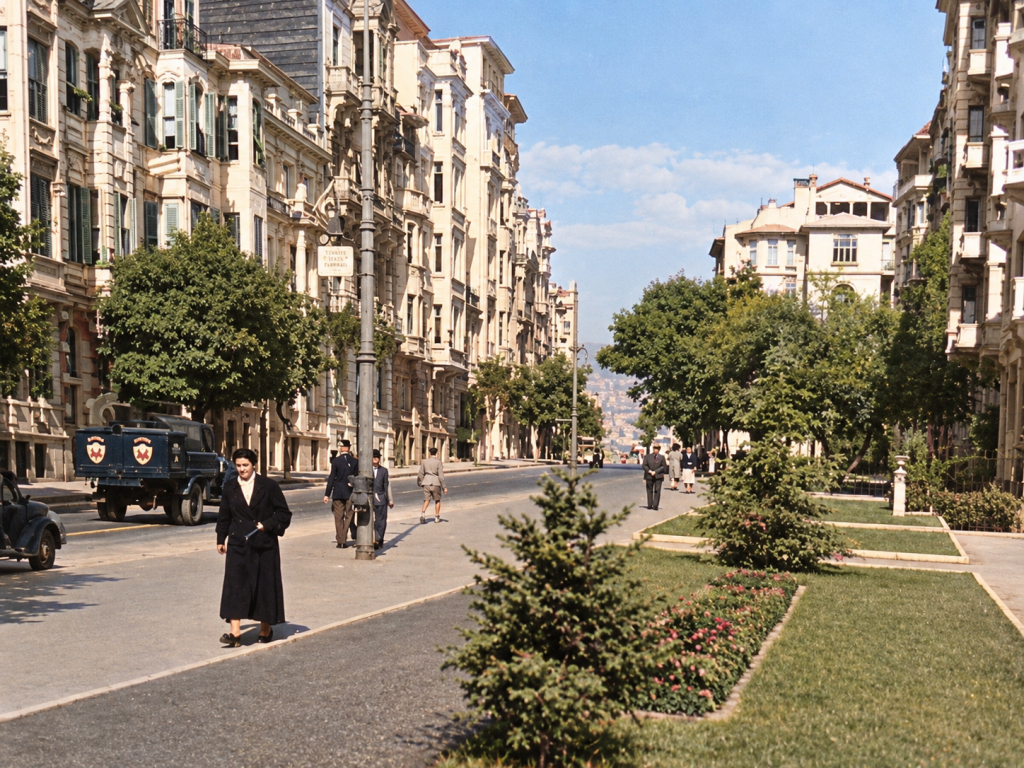
Nişantaşı in the 1930s, Selahattin Giz
When I was growing up, there was an expression I often heard from the elderly members of my family: “Başka İstanbul yok.” — “There is no other Istanbul.”
What they meant was a way of being.
Their Istanbul was a city in which almost everything had an etiquette. There was a proper way to enter a room, to receive a guest, to visit someone who was ill, to speak to an elderly person, to offer food, to decline it, to give a present, to write a letter, to dress for an occasion, even to disagree.
These rules were not simply a collection of empty formalities. At their best, they expressed a particular understanding of civilization: your own convenience was not always the most important thing in the room.
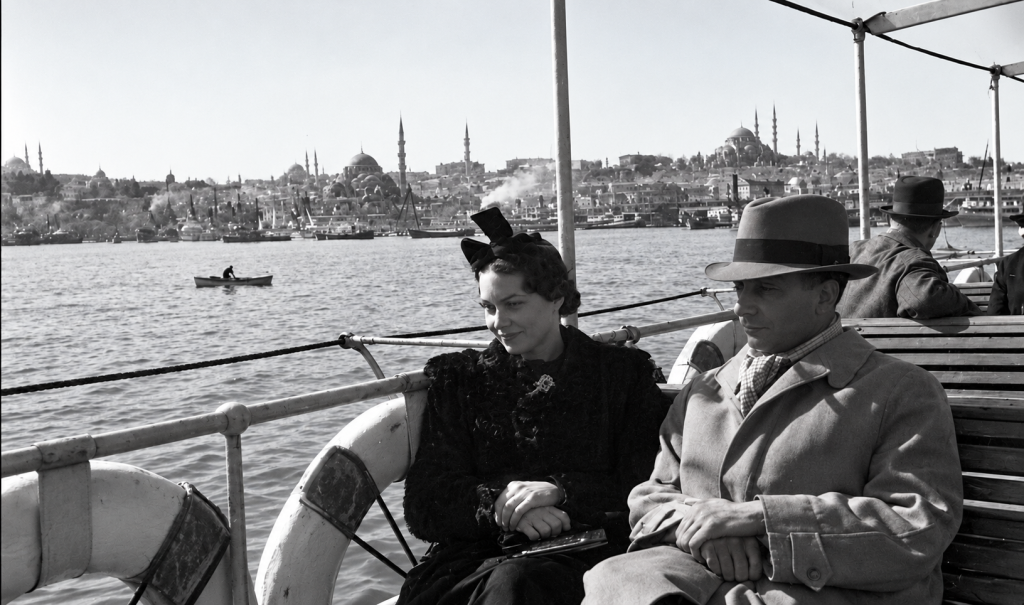
Passangers on the Ferry from Kadıköy to Eminönü, 1950s
You lowered your voice because somebody else might be disturbed. You did not arrive empty-handed when visiting a home. You did not stay so long that your hosts became exhausted. You did not embarrass someone publicly even when they had made a mistake. You did not ask intrusive questions merely because you were curious. You dressed with some consideration for the occasion. You accompanied a departing guest to the door. You offered the best piece on the plate to somebody else before taking it yourself.
And perhaps most importantly, you tried not to make another person uncomfortable.
There was an art to this.
The Art of Not Burdening Others
Old Istanbul manners were built around an idea that seems almost quaint today: incelik — delicacy, consideration, fineness of feeling.
It meant noticing.
Was somebody elderly standing while you were sitting? Was your guest’s tea glass empty? Had somebody become quiet during a conversation? Was the person beside you uncomfortable with the subject being discussed? Had you perhaps stayed too long?
Nobody needed to announce these things. Ideally, you noticed them yourself.
This is what distinguished manners from rules. Rules tell us what we are permitted to do. Manners ask us to imagine what our presence feels like to somebody else.
There were, of course, elaborate Ottoman traditions behind this culture. The etiquette of the konak, the rituals of coffee and sherbet, Bayram visits, neighbourhood relations, the codes of hospitality and forms of address all contributed to a highly developed social language. Istanbul’s Muslim, Greek, Armenian, Jewish and Levantine communities had their own customs, yet centuries of living beside one another also produced a shared urban sensitivity.
A person who possessed this sensitivity was described as terbiyeli, nazik, zarif, or görgülü. None of these words translates perfectly into English. To be görgülü was more than knowing which fork to use. It meant knowing how to conduct yourself among other human beings.
And zarafet — grace — was perhaps its highest expression.
The Guest Was Sacred
Nowhere was this more visible than in hospitality.
The arrival of a guest changed the rhythm of the house. Coffee appeared. Tea followed. Something sweet was found even if the visit had been unexpected. The best cups might come out of the cupboard. A guest could protest — “Please, don’t go to any trouble” — but some trouble was precisely the point.
Hospitality required effort.
The host temporarily surrendered convenience to the guest. Yet the guest had obligations too. A considerate guest knew when to leave, did not make excessive demands, did not inspect the household critically and understood that hospitality should never become exploitation.
This created a subtle reciprocity.
The host said, in effect, “Your comfort matters to me.”
The guest replied, “And I will not abuse your kindness.”
Between these two gestures existed an entire civilization.
Manners in Public
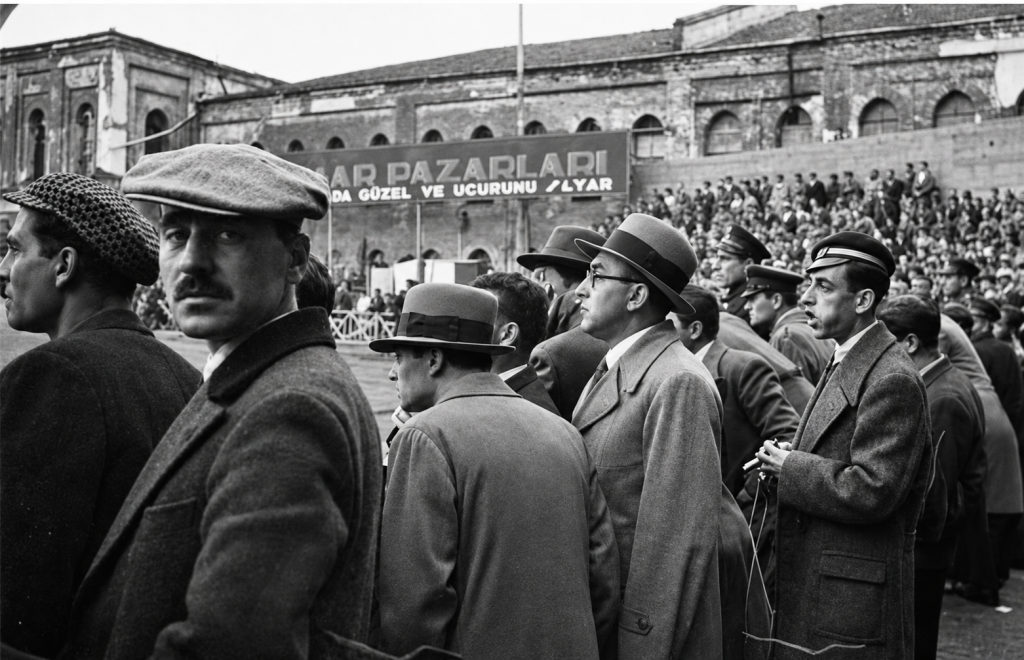
Istanbulites watching a football match at the stadium, 1930a, Selahattin Giz
The same principle extended beyond the home.
Public space was understood, at least ideally, as something one shared rather than something one occupied entirely for oneself.
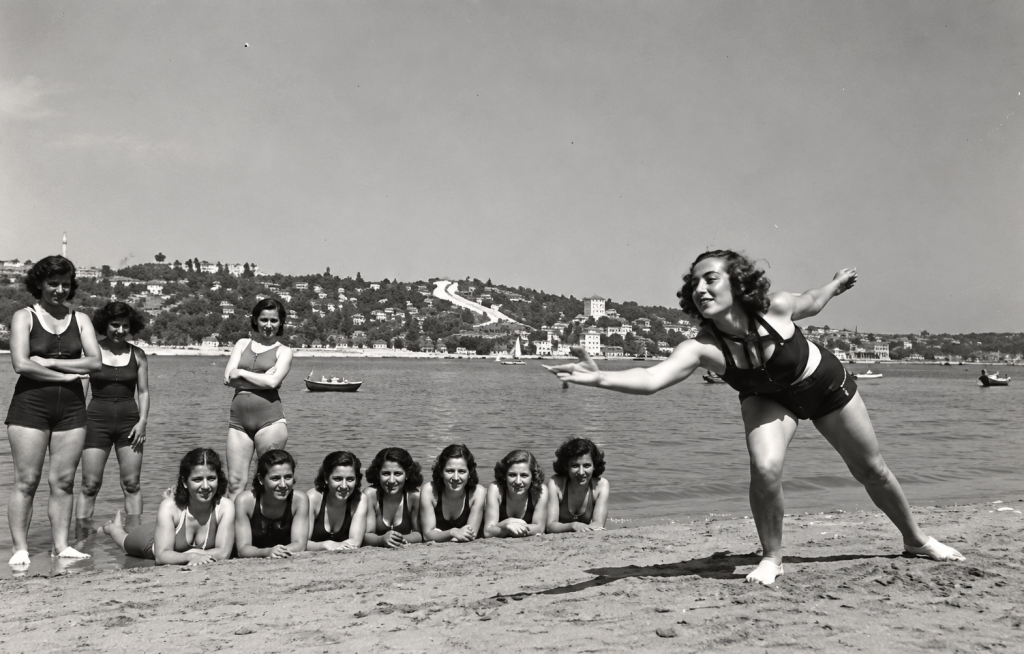
A glimpse at 1930s Istanbul, photo by Selahattin Giz
One moderated one’s voice. One made room. One avoided pushing. Men offered seats to women, younger people to the elderly. There were greetings for shopkeepers and neighbours. Certain clothes belonged to certain places and occasions. Even the way one walked, sat or addressed a stranger could reveal whether one had been taught terbiye.
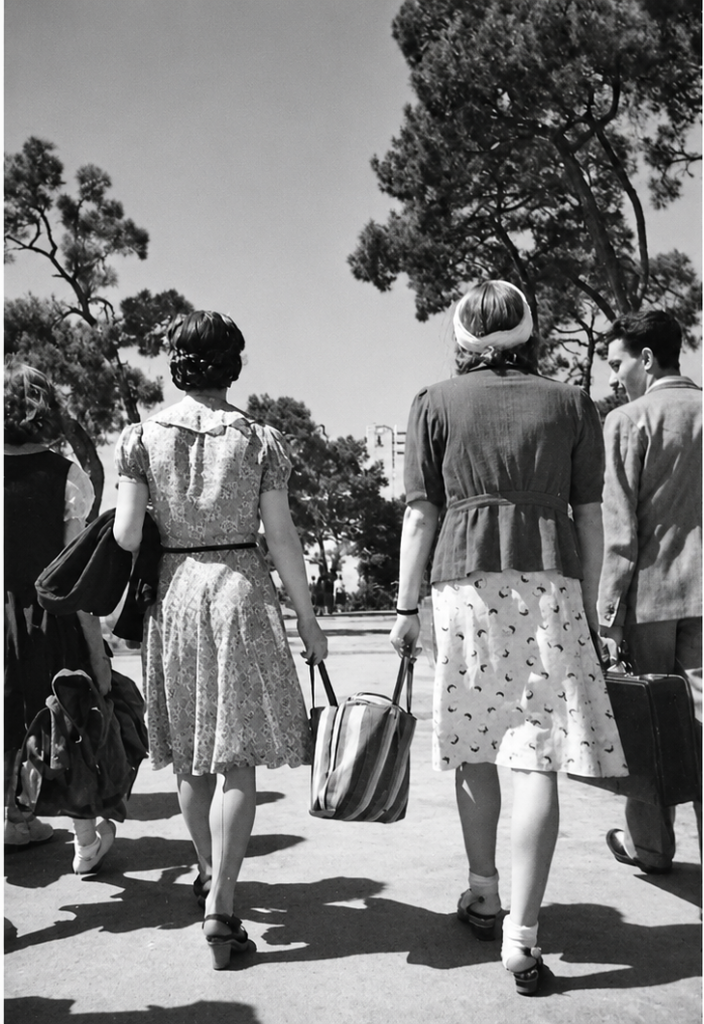
A glimpse at 1950s Istanbul, photo by Selahattin Giz
Underneath those conventions lay something worth remembering: freedom was accompanied by consideration. The question was not merely “Am I allowed to do this?” It was also “How will what I do affect the people around me?”
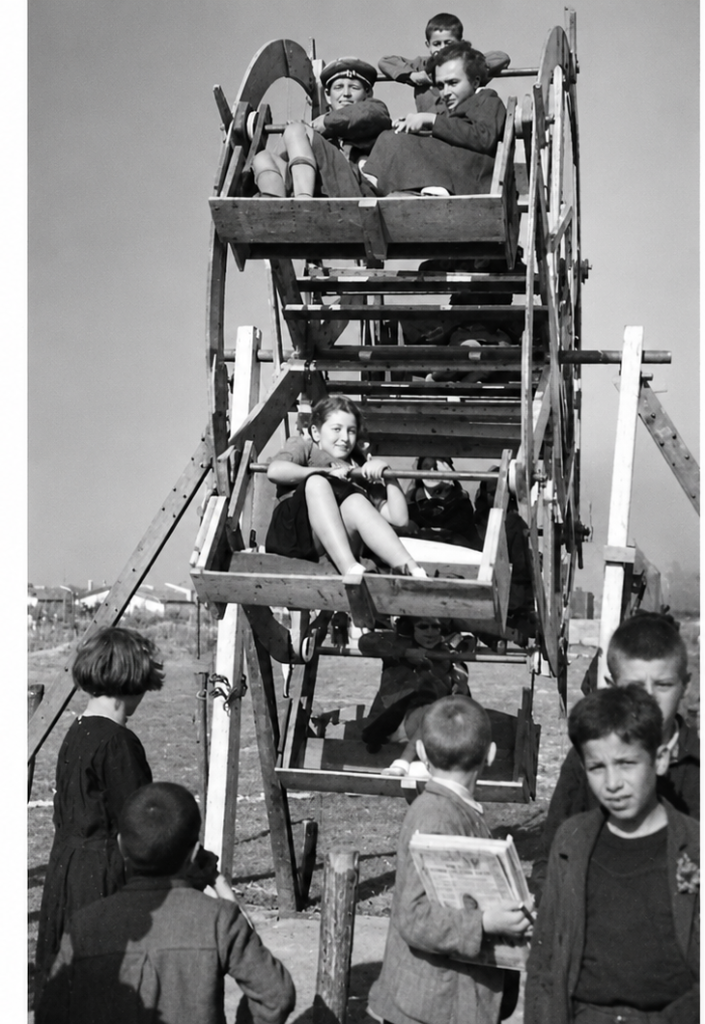
Istanbul, 1930s. Photo by Selahattin Giz
The Beauty of Restraint
Perhaps the most striking aspect of the old etiquette was restraint. Not everything one thought had to be said. Not every question had to be asked. Not every disagreement required humiliation. Not every possession had to be displayed. Not every emotion had to become somebody else’s burden.
There was dignity in leaving certain things unsaid and elegance in allowing another person to save face.
Even criticism could be indirect. A delicate phrase, a change of subject or a meaningful silence might communicate what a blunt confrontation would communicate today.
To modern ears this can sound unnecessarily complicated. Sometimes it undoubtedly was. But it also rested upon an understanding that human beings are vulnerable creatures and that social life requires us to handle one another with a certain care.
Manners were a kind of emotional architecture. They created small distances between people so that people could live close together. And in a city as crowded, diverse and intense as Istanbul, perhaps those distances were necessary.
Beautifying Life
This, I think, is what the elderly people in my family meant when they spoke of another Istanbul. They were not merely remembering old houses, elegant clothes or silver coffee trays. They were mourning a culture in which beautifying life was considered a responsibility.
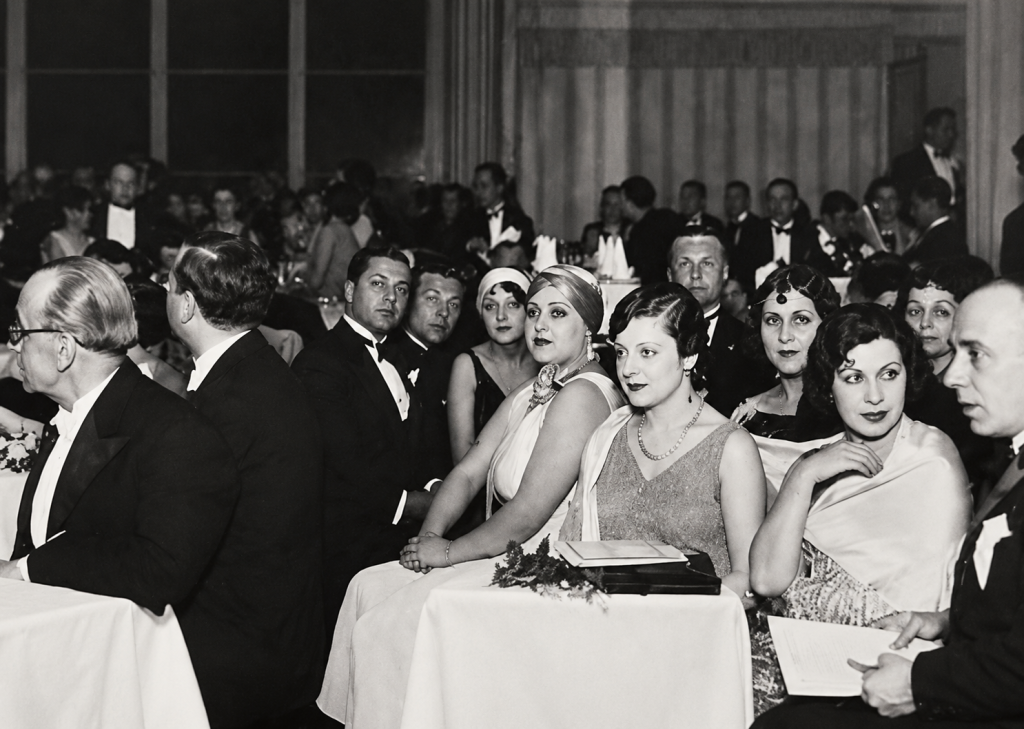
Pera, 1930s. Photo by Selahattin Giz
Beauty did not belong only to architecture, music or objects. There could be beauty in behaviour. The way you placed a cup before somebody. The way you welcomed a stranger. The way you refrained from asking a painful question. The way you remembered someone’s favourite sweet. The way you rose when an elderly visitor entered the room. The way you walked someone to the door and waited until they had safely disappeared down the stairs. These gestures cost very little. Some cost nothing at all. Except convenience.
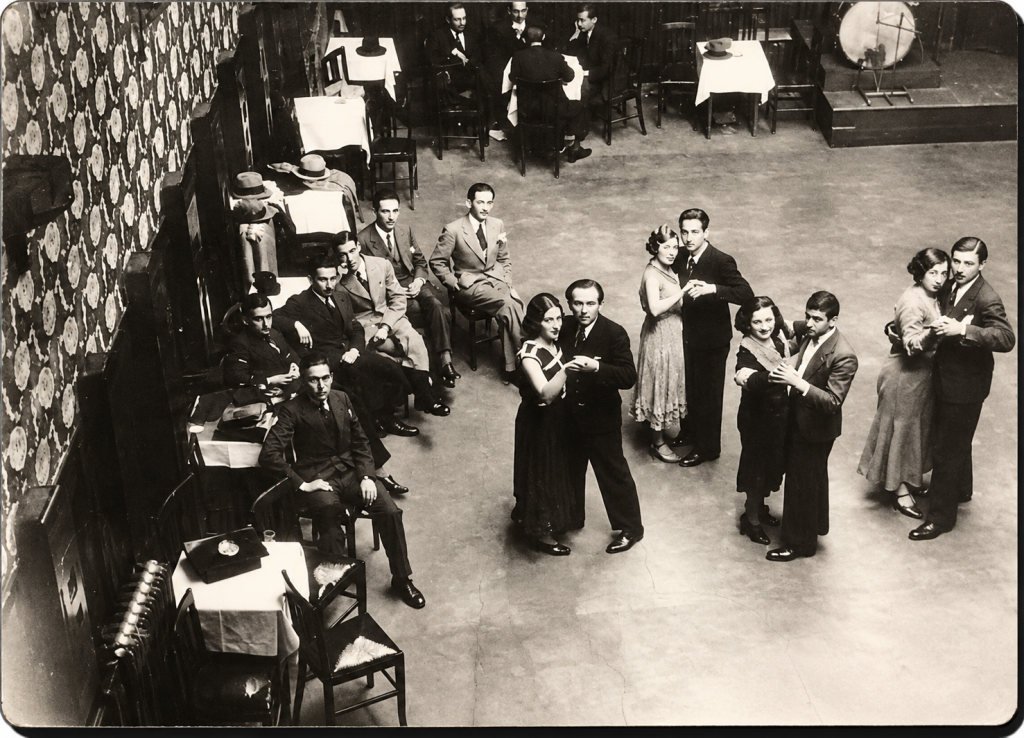
Pera, 1930s. Photo by Selahattin Giz
And that may be precisely what distinguishes manners from performance. True courtesy begins at the moment when consideration for another person requires us to give something up: a little time, a little space, a little comfort, a little insistence on having things our own way.
Perhaps this is why the phrase “There is no other Istanbul” stayed with me.
The Istanbul they were speaking about cannot be found by restoring an old mansion or recreating an Ottoman interior. It was never entirely contained in buildings. It existed between people. In gestures. In restraint. In the instinct to make room for somebody else.
And above all, in the conviction that one of the purposes of civilization was not simply to make life easier for ourselves, but to make life more beautiful for one another.
Video is embedded via YouTube and all rights belong to the respective rights holders.
Note that the Selahattin Giz Collection, comprising some 35,000 photographs, is currently held by Yapı Kredi.